Affiliate disclosure: This article contains affiliate links. FitProGuides may earn a commission if you buy through our links, at no additional cost to you.
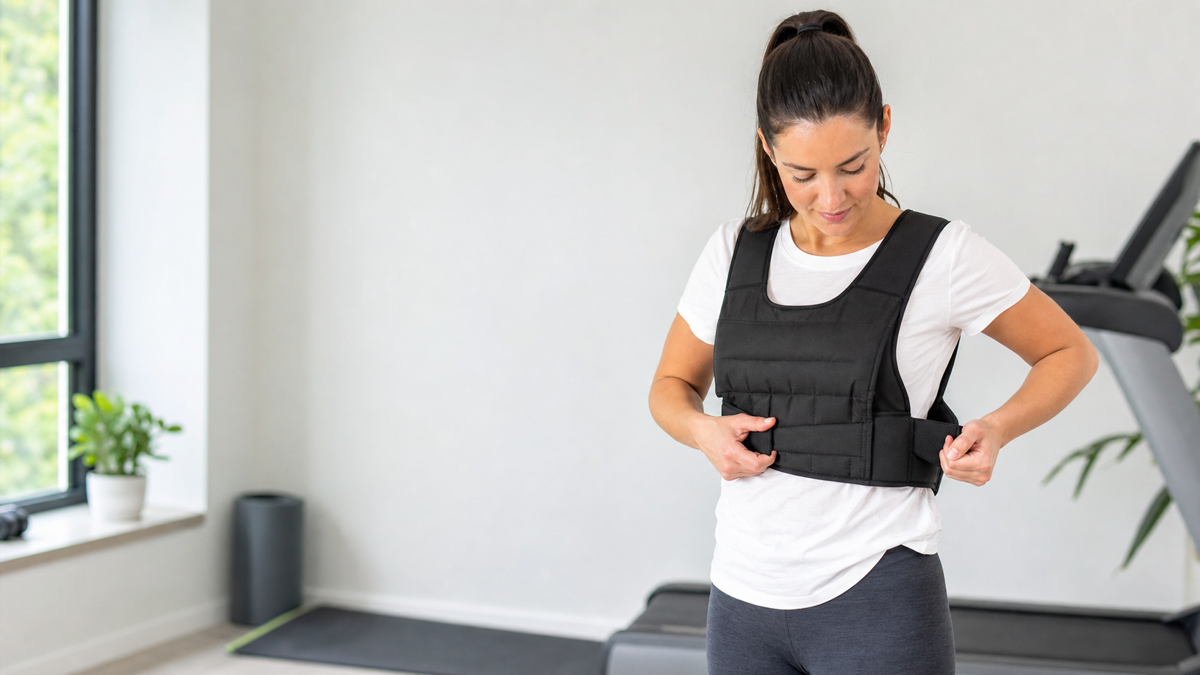
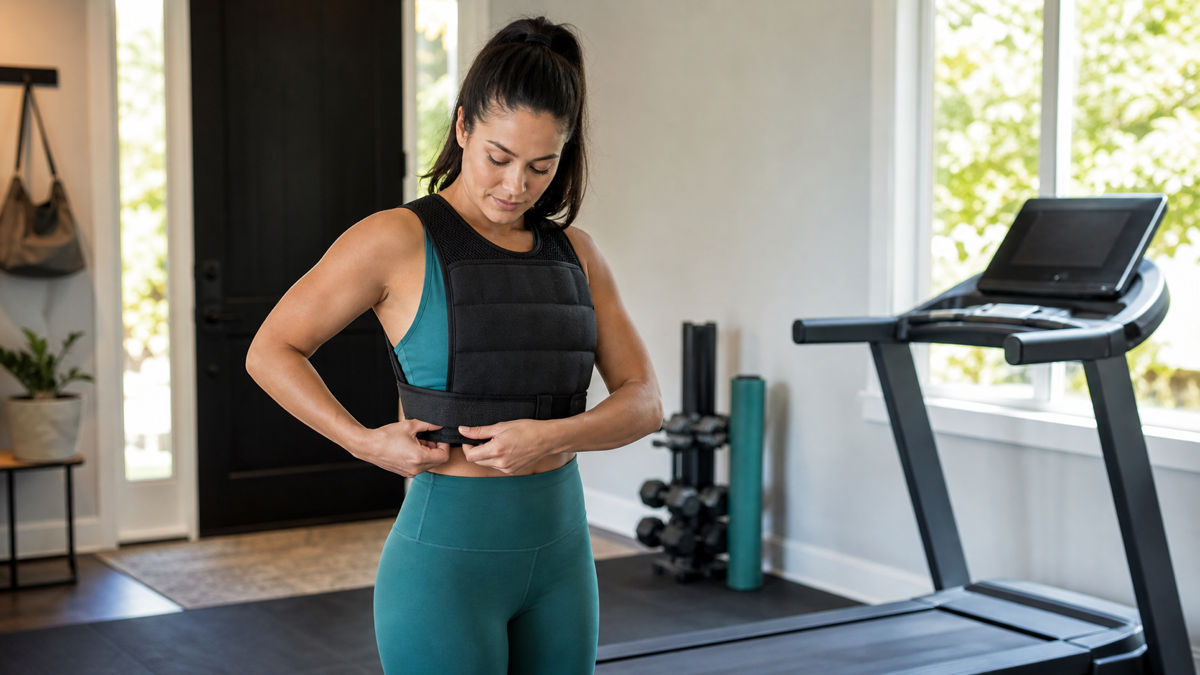
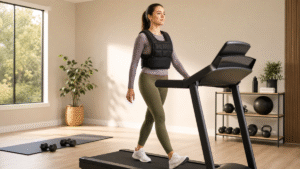
The best weighted vest for women is the one that fits your chest, shoulders, and training style before it impresses you with a heavy number on the tag. For most women starting with walking or home workouts, that usually means a low-bounce vest with chest relief, padded straps, small weight options, breathable fabric, and enough adjustment to sit close without restricting breathing.
Our top pick for most walking-focused beginners is the Zelus Classic U-Shaped Weighted Vest – Fixed Weight. It is simple, women-focused, available in lighter fixed weights, and built around chest relief. If you want one vest that can progress with you, choose the Zelus Classic U-Shaped Adjustable Weight Vest instead.
Quick answer: Pick a U-shaped vest if chest pressure is your biggest concern. Pick an adjustable vest if you are not sure what weight you will need in three months. Pick a low-profile Z-Fit model if you want a smoother feel for walking, errands, or light home workouts.
Best Weighted Vests for Women: Quick Picks
| Pick | Best for | Weight options | Why it fits this guide |
|---|---|---|---|
| Classic U-Shaped Fixed Weight | Best overall for walking | 6, 8, 12, 16, 20 lb | Chest-relief shape, wide padded straps, reflective strips, simple fixed-weight setup |
| Classic U-Shaped Adjustable Weight | Best adjustable women-first pick | 4-10, 11-20, 20-32 lb ranges | U-shaped neckline plus removable iron-sand bags for progression |
| Z-Fit Flex Weighted Vest | Best premium comfort vest | 10 or 15 lb, medium or large | Lycra fabric, machine-washable design, zippered pocket, softer everyday feel |
| Z-Fit X-Shaped Fixed Weight | Best low-profile fixed vest | 5, 10, 15 lb | Ultra-thin Z-Fit soft-iron design, multiple colors, light starting weights |
Last checked: July 14, 2026. Product options, prices, colors, reviews, and availability can change. We selected these picks from verified product pages, current listed specs, FitProGuides editorial criteria, and use-case fit. We did not perform hands-on lab testing for this article.
For a current comparison of the brand’s weight systems, selected prices, fit ranges, and care rules, read our Zelus weighted vest review before choosing between Classic and Z-Fit.
How We Chose
A good women’s weighted vest is not just a smaller version of a general training vest. We weighted the criteria differently for this guide because most readers are using the vest for walking, treadmill sessions, step-ups, beginner strength work, and compact home workouts rather than tactical training.
We prioritized:
- Chest comfort: U-shaped or lower-pressure designs scored higher than bulkier front panels.
- Shoulder comfort: Wide padded straps, softer fabrics, and balanced loading mattered more than max load.
- Low bounce: A vest should sit close enough that you can walk naturally without tugging it back into place.
- Starting weight: We favored lighter options and adjustable ranges that make it easier to start conservatively.
- Breathability and care: Mesh, Lycra, washable fabric, and heat management matter if you walk often.
- Practical details: Reflective strips, pockets, buckle adjustment, and color or size options can decide whether you actually use the vest.
For a broader unisex buying guide, see our best weighted vests for home workouts. This page is narrower: it is about fit and comfort for women first.
Best Overall for Women Walking: Zelus Classic U-Shaped Fixed Weight Vest
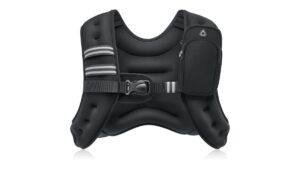
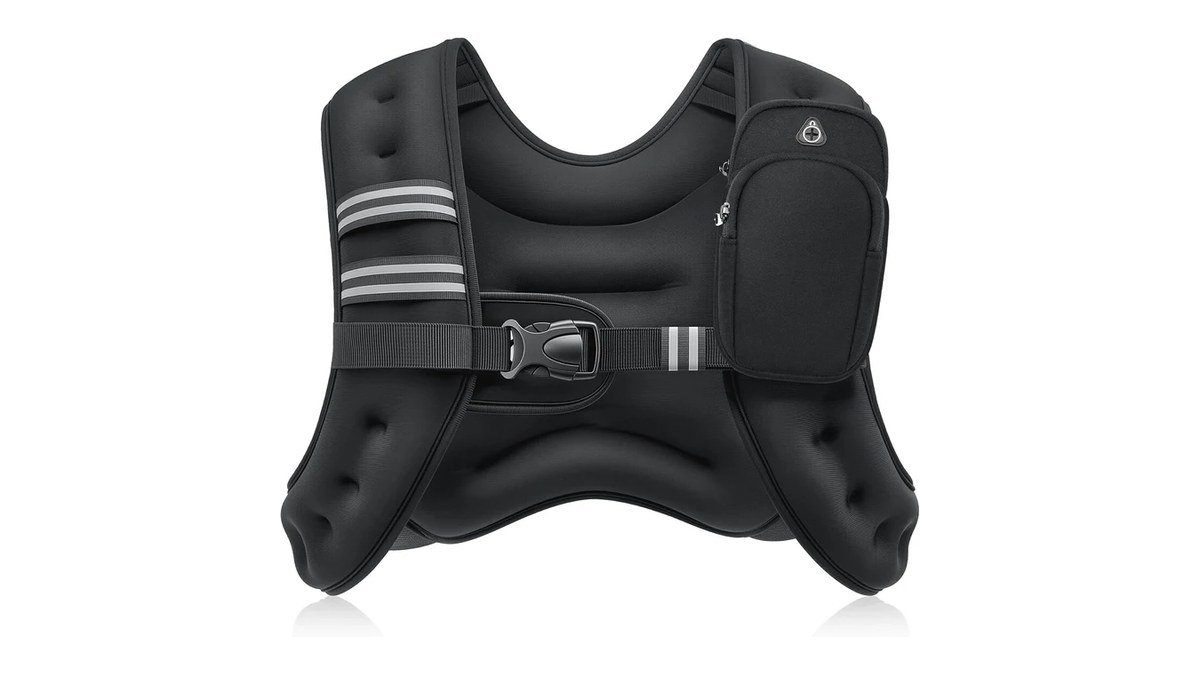
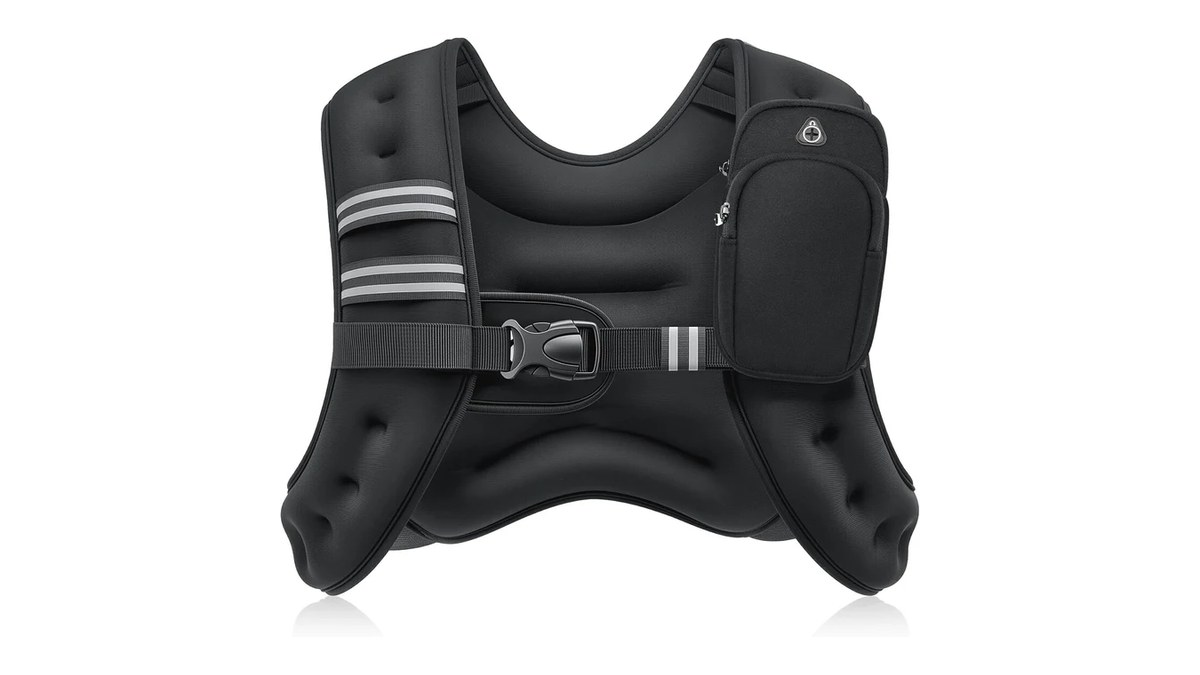
The Classic U-Shaped Fixed Weight Vest is the easiest first recommendation because it solves the problem many women notice first: front-of-chest pressure. Zelus describes the vest as women-specific, with a U-shaped neckline, padded wide straps, adjustable buckle straps, reflective strips, and an arm pouch.
It comes in 6, 8, 12, 16, and 20 lb options, with black, blue, and pink listed at the time checked. That fixed-weight approach is useful if you already know your starting point and do not want removable bags, plates, or setup decisions. For many beginners, the 6 or 8 lb versions make more sense than jumping straight to a heavier vest.
Choose it if: your main use is outdoor walking, treadmill walking, yoga-style movement, or simple low-impact home workouts.
Skip it if: you want one vest that can change weight over time. A fixed vest is clean and simple, but it does not grow with you.
Best Adjustable Women-First Vest: Zelus Classic U-Shaped Adjustable Weight Vest
The Classic U-Shaped Adjustable Weight Vest keeps the women-focused U-shaped neckline but adds adjustable loading. Zelus lists three ranges: 4-10 lb, 11-20 lb, and 20-32 lb. The product page describes six iron-sand bags, adjustable buckle straps, breathable mesh, and padded lining.
This is the better pick if you are not sure where you will land after a few weeks. You can begin near the low end, get comfortable with your walking form, then add load gradually instead of buying a second vest. It is also the better choice if you want to use one vest for both walking and basic strength work such as step-ups, squats, lunges, and incline push-ups.
Choose it if: you want progression, you are training several days per week, or you want one vest for walking plus home workouts.
Skip it if: you want the simplest possible vest and do not want to manage removable weights.
Best Premium Comfort: Zelus Z-Fit Flex Weighted Vest
The Z-Fit Flex Weighted Vest is the comfort upgrade. It is listed in 10 and 15 lb options, with medium and large sizes. Zelus describes it as using soft-touch Z-Fit soft iron weights, stretchy Lycra fabric, adjustable cords, a rear reflective strip, and a zippered pocket. The product page also lists the fabric as machine washable.
That matters if you plan to walk often. A vest that feels okay once can still become annoying when sweat, heat, and repeated wear show up. The Z-Fit Flex is not the cheapest option, and it is less flexible than a wide-range adjustable vest, but it is the pick that best matches users who care about feel, cleaning, and a lower-profile look.
Choose it if: comfort and wearability matter more than the lowest price or the heaviest possible training load.
Skip it if: you need a 5 lb starting point or a vest that can adjust across a broad weight range.
Best Low-Profile Fixed Vest: Zelus Z-Fit X-Shaped Fixed Weight Vest
The Z-Fit X-Shaped Weighted Vest is the better low-profile fixed pick. Zelus lists 5, 10, and 15 lb options and multiple colors. Its product page describes Z-Fit soft iron material, an ultra-thin flat design, adjustable buckle straps, reflective strips, and a chest range of 32.3 to 39.4 inches.
The 5 lb option is useful for true beginners, shorter walks, and anyone who wants to test weighted walking without making the first session feel dramatic. The tradeoff is the X-shaped design: some users love the secure feel, while others may prefer the more open U-shaped neckline.
Choose it if: you want a light, slim, fixed-weight vest for walking, errands, or short bodyweight circuits.
Skip it if: you are sensitive to front-strap placement and already know a U-shaped neckline feels better.
What About the Classic Y-Shaped Adjustable Vest?
The Classic Y-Shaped Adjustable Weight Vest is a strong budget adjustable option in the broader Zelus lineup, but it is not our top women-first recommendation. The product page lists broad 4-32 lb ranges, several colors, neoprene material, reflective strips, and a large front pocket. It also says the vest is built for the male physique.
That does not mean no woman can use it. It means you should treat it as a fit-dependent alternative, not the first place to start if chest pressure is already a concern. If you want an adjustable vest specifically for women, the U-shaped adjustable model is the cleaner match.
How Heavy Should a Women’s Weighted Vest Be?
Start lighter than the number that looks impressive online. A practical starting range for many healthy beginners is around 5 lb or roughly 5% of body weight, then progress only if your posture, breathing, and next-day joints feel normal. For a deeper breakdown, use our weighted vest starting-weight guide.
If you are choosing from the products above, that usually means:
- True beginner or smaller frame: start with 5-6 lb if available.
- Walking base already established: 8-10 lb may be reasonable if it does not change your gait.
- Experienced home workouts: adjustable ranges make more sense than guessing one fixed weight.
- Long walks: comfort and breathing matter more than going heavier.
Weighted vests can increase the demand of walking, but the research does not support treating a vest as a shortcut or medical device. Added load changes exercise intensity; your body still needs gradual progression and recovery.
Fit Checklist for Women
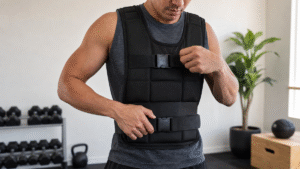
Before keeping any weighted vest, put it on and run this check:
- Breathing: you can take a full breath without rib or chest restriction.
- Shoulders: straps feel secure but not sharp, numb, or pinching.
- Bounce: the vest does not slap, swing, or need constant readjustment while walking.
- Chest space: the front panel or straps do not press uncomfortably into breast tissue.
- Arm swing: you can walk naturally without rubbing your upper arms on the vest edges.
- Heat: the fabric and coverage are realistic for your climate and walking schedule.
- Pocket placement: phone or keys do not create pressure points.
If the vest passes at home but fails during a 20-minute walk, the walk is the real test. Fit issues often show up only after heat, sweat, and repeated steps.
Best Vest by Use Case
| Your main use | Best starting pick | Why |
|---|---|---|
| Daily walking | Classic U-Shaped Fixed | Simple, lighter options, chest-relief design |
| Walking plus progression | Classic U-Shaped Adjustable | Women-first shape with removable weight bags |
| Premium comfort | Z-Fit Flex | Lycra, machine washable, pocket, softer fit |
| Light low-profile training | Z-Fit X-Shaped Fixed | 5 lb starting option and slim Z-Fit material |
| Budget adjustable training | Classic Y-Shaped Adjustable | Good value, but fit is more personal for women |
How to Start Using It
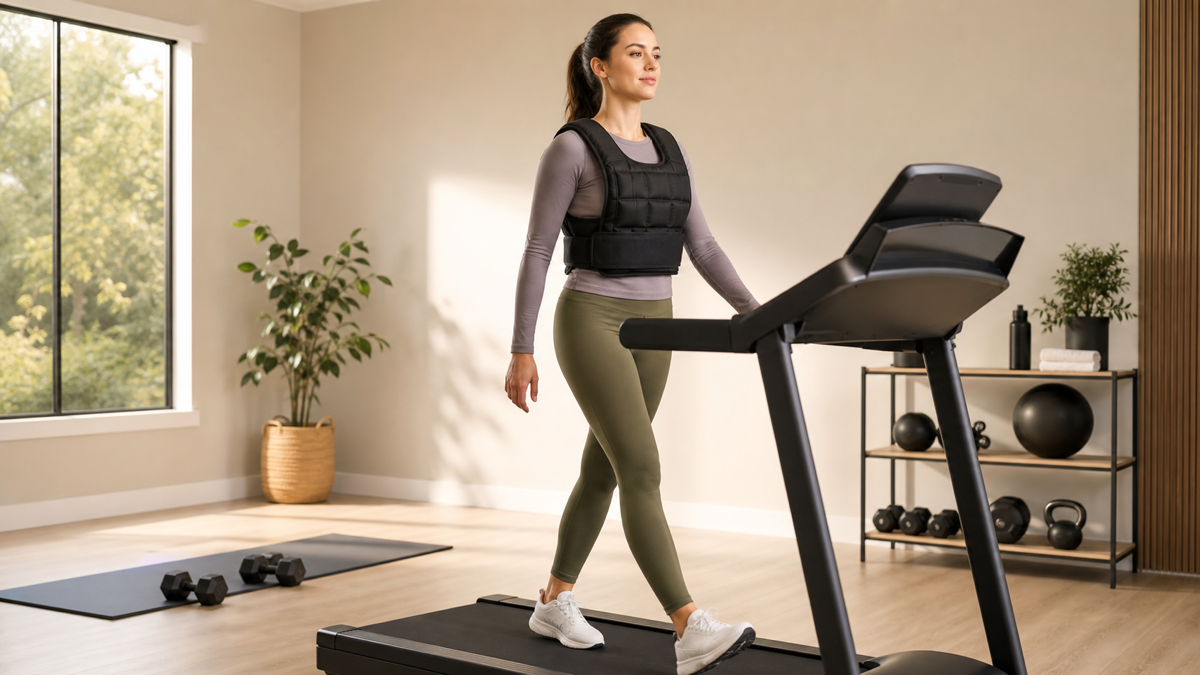
For walking, begin with two or three short sessions per week. Keep the route flat, avoid speed goals at first, and focus on whether the vest stays quiet on your body. Our weighted vest walking guide goes deeper, but a simple first week looks like this:
- Session 1: 10-15 minutes, flat route, light vest.
- Session 2: 15-20 minutes, same weight, same route.
- Session 3: 20 minutes only if the first two felt easy and pain-free.
For home workouts, use the vest after you already own clean bodyweight form. A light vest can work well for box squats, step-ups, incline push-ups, split squats, calf raises, and carries. See our weighted vest exercises for beginners for a starter routine.
Safety Notes
Do not use a weighted vest as a replacement for medical care, strength training, or a complete fitness plan. Ask a qualified healthcare professional before loaded walking if you are pregnant or have cardiovascular, balance, bone, back, hip, knee, ankle, foot, or breathing concerns. Stop if you feel sharp pain, numbness, dizziness, unusual shortness of breath, or a noticeable change in gait.
If your goal is longer outdoor load carriage, compare this guide with our weighted vest vs rucking backpack comparison. A vest is great for short fitness walks and home workouts; a backpack or rucksack may be more specific for hiking preparation or carrying gear.
FAQ
Are weighted vests different for women?
Some are. The most useful differences are not pink colors or marketing labels; they are chest relief, shoulder comfort, smaller starting weights, side adjustment, breathable fabric, and low-bounce fit.
Is a U-shaped weighted vest better?
For many women, a U-shaped vest is more comfortable because it leaves more room at the chest. It is not automatically better for every body, but it is the first design we would try if front pressure is a concern.
Should I buy fixed or adjustable?
Buy fixed if you want simplicity and already know your starting weight. Buy adjustable if you want to progress slowly or use the vest for several workout types.
Can I run with a weighted vest?
Beginners should walk first. Running with added load increases impact and fit demands. Build several weeks of comfortable walking before considering faster work, and stop if the vest changes your stride.
Bottom Line
The best weighted vest for women is the one you can wear consistently without chest pressure, shoulder irritation, bouncing, or breathing restriction. For most beginners, start with the Classic U-Shaped Fixed Weight Vest. If you want room to progress, choose the Classic U-Shaped Adjustable Weight Vest. If comfort and a lower-profile feel matter most, look at the Z-Fit Flex or Z-Fit X-Shaped Fixed Weight Vest.
Sources
- Zelus: Classic U-Shaped Weighted Vest – Fixed Weight
- Zelus: Classic U-Shaped Weighted Vest – Adjustable Weight
- Zelus: Z-Fit Flex Weighted Vest
- Zelus: Z-Fit X-Shaped Weighted Vest
- AP News: Do weighted vests really help you get in shape faster?
- Medicine & Science in Sports & Exercise: Metabolic costs of weighted-vest walking