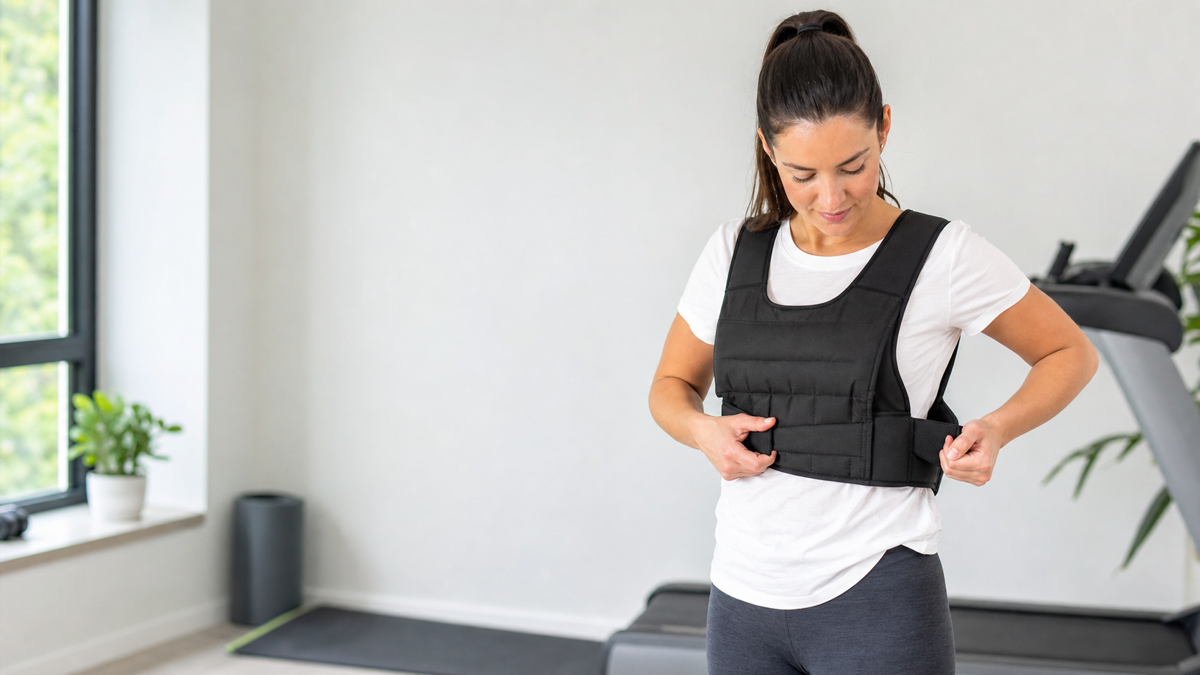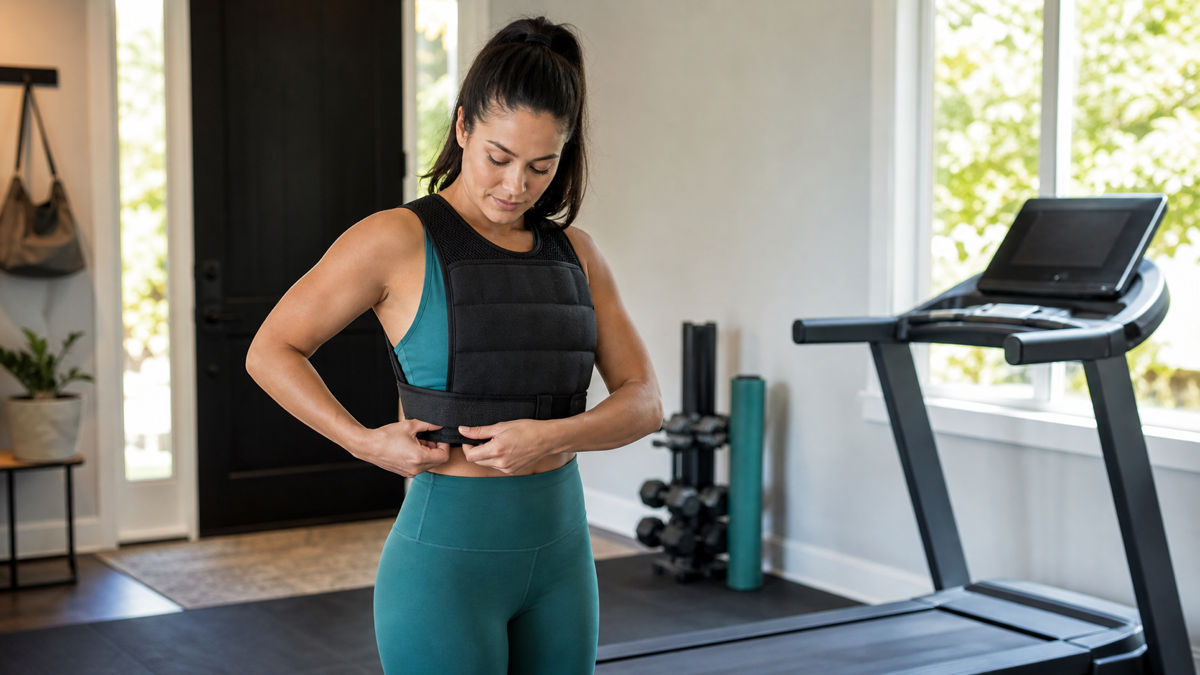
Care note: follow the manufacturer’s care label first. If your vest uses removable weights, remove them only according to the product instructions.
How to clean a weighted vest depends on the fabric, fill, and whether the weights are removable. The safest default is simple: remove detachable weights if the manual allows it, wipe sweat after each use, spot-clean fabric with mild soap, air-dry fully, and never trap moisture inside weight pockets.
How to clean a weighted vest: quick checklist
- Wipe sweat after every workout.
- Air-dry the vest before storing it.
- Do not soak non-washable weight packets.
- Use mild soap, not harsh cleaners.
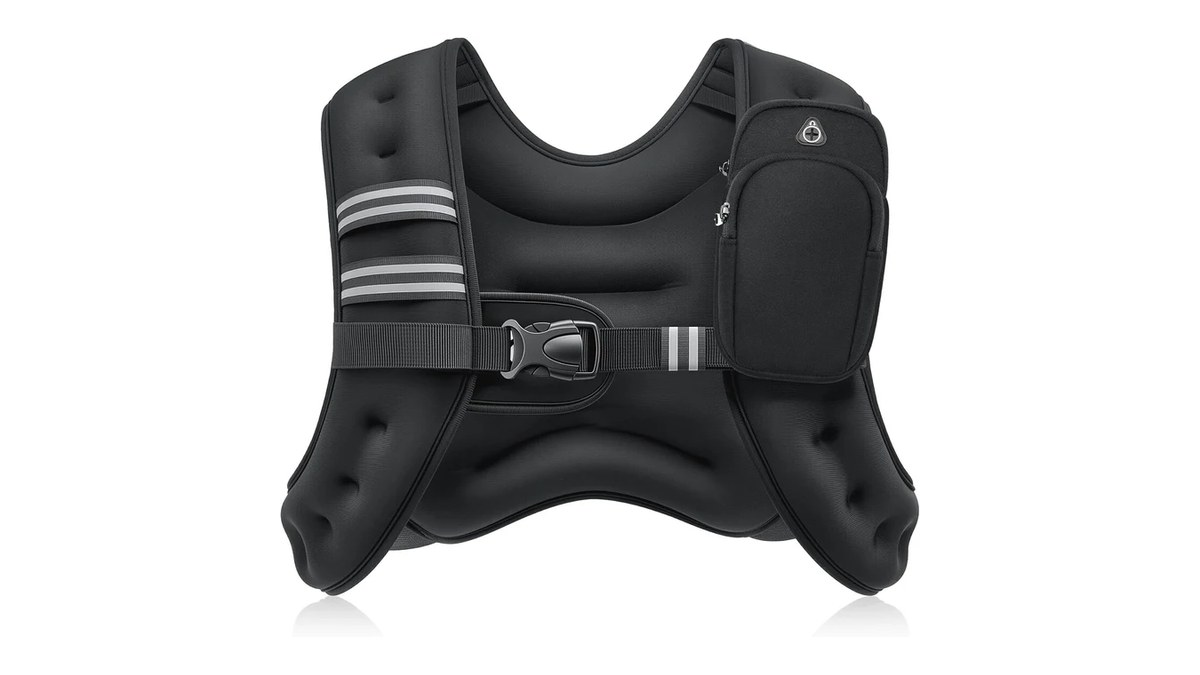
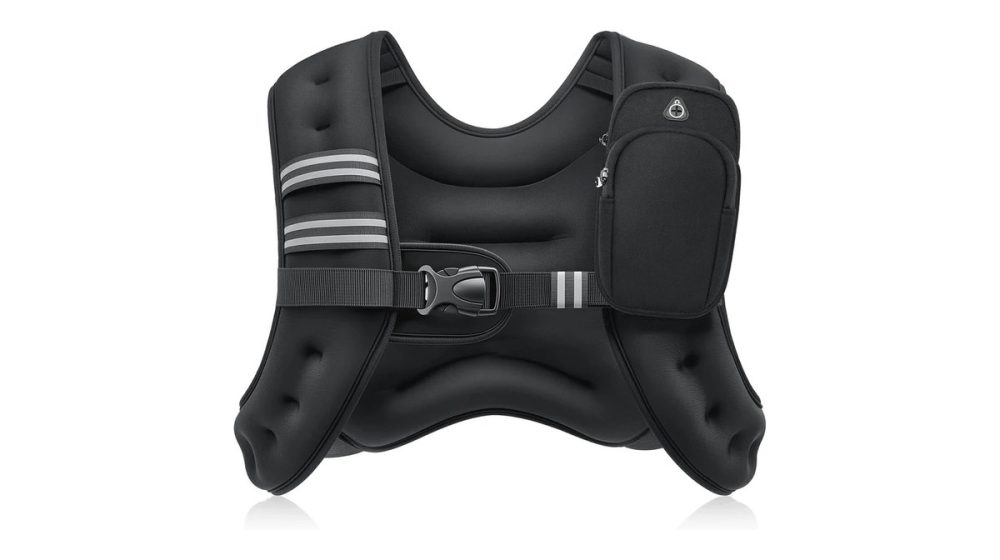
- Check straps, seams, pockets, and reflective details while cleaning.
- Stop using the vest if stitching or weight pockets fail.
7 care rules
- Read the care label before using water or soap.
- Remove weights only if the manufacturer says they are removable.
- Use a damp cloth for sweat zones after walking or treadmill sessions.
- Spot-clean fabric panels instead of soaking the whole vest.
- Air-dry fully before closing pockets or storing the vest.
- Keep high heat away from straps, reflective strips, and fill packets.
- Inspect seams every time you clean the vest.
The best way to remember how to clean a weighted vest is to clean lightly but often. A one-minute wipe after a sweaty walk is usually safer than soaking the vest later. Moisture trapped around sand bags, soft fill, straps, or seams can create odor and shorten the life of the vest.
If you are learning how to clean a weighted vest for the first time, avoid the two big mistakes: soaking parts that are not washable and storing the vest before it is fully dry. Those two habits cause more problems than normal sweat from walking or calisthenics.
Fixed vs adjustable vest cleaning
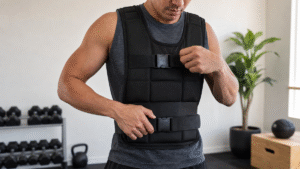
Fixed vests are usually easier to wipe down but harder to deep clean because the weight is built in. Adjustable vests may be easier to clean if the weight bags can be removed, but you must reinstall everything evenly before training.
If you are still shopping, compare our adjustable vs fixed weighted vest guide. Cleaning is one of the hidden ownership differences.
Cleaning after walking
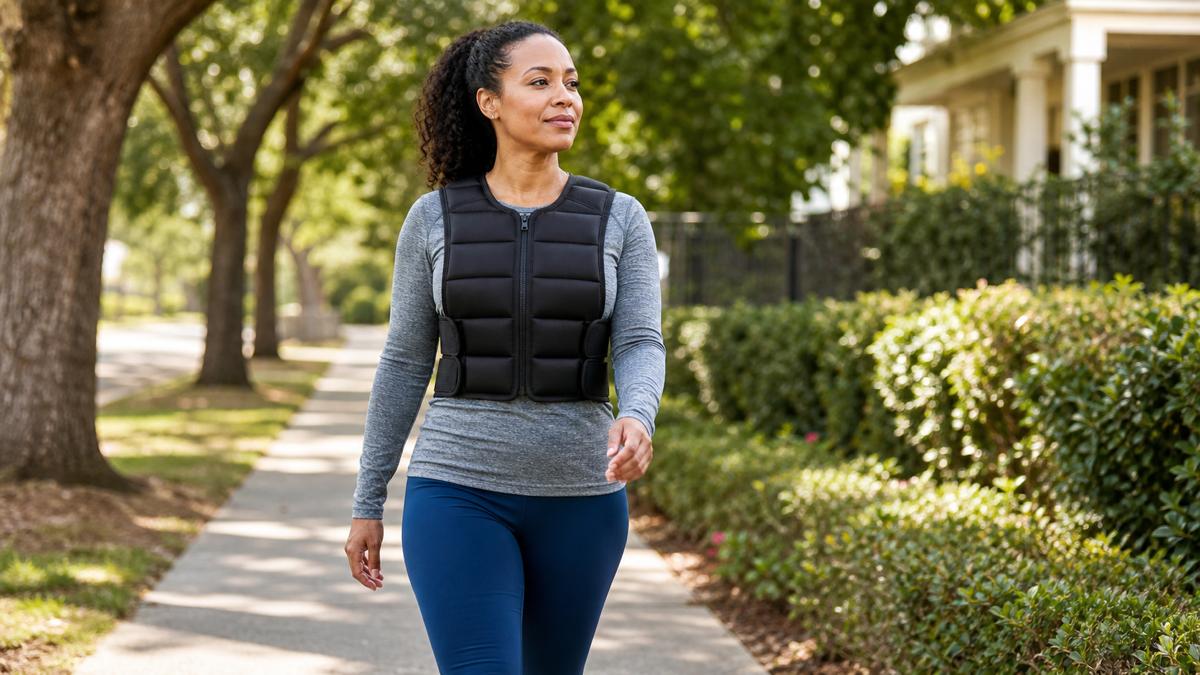
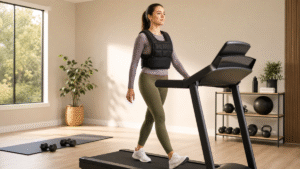
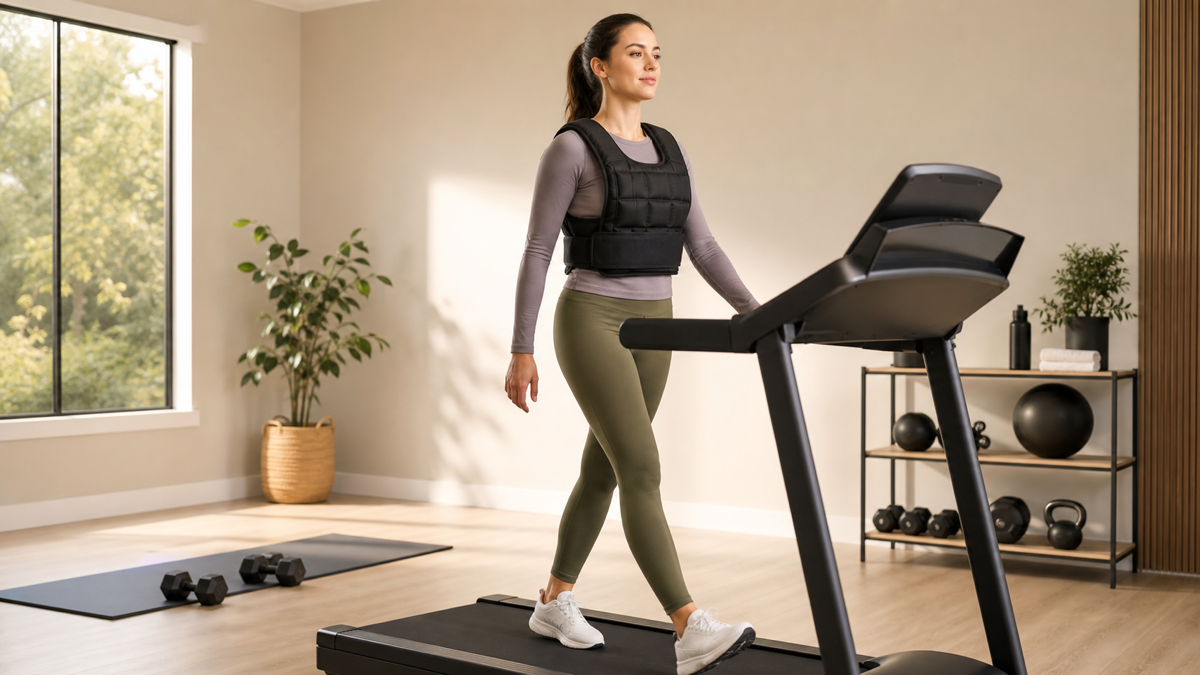
Walking sessions often create sweat around the chest, shoulders, and upper back. Hang the vest open after use. Do not throw it into a closed bin while damp. If odor builds, spot-clean the contact areas and let the vest dry in airflow away from direct high heat.
Cleaning after calisthenics
Push-ups, planks, and floor work expose the vest to rubber flooring, dust, and chalk. Brush debris off first, then wipe fabric panels and buckles. Check whether weight packets shifted during training before the next session.
What not to do
- Do not machine wash unless the product page or care label explicitly allows it.
- Do not use bleach or harsh solvents.
- Do not dry with high heat.
- Do not store damp weights inside closed pockets.
- Do not ignore torn seams or leaking fill.
When to replace a vest
Replace or stop using a vest if stitching fails around weight pockets, straps no longer hold tension, buckles crack, reflective strips peel badly, or fill leaks. A weighted vest needs to stay stable; once it cannot hold load securely, it is no longer just a comfort issue.
FAQ
Can you put a weighted vest in the washing machine?
Do not machine wash a weighted vest unless the care label specifically allows it. Many vests are safer to wipe, spot-clean, and air-dry.
How often should you clean a weighted vest?
Wipe sweat after each use and spot-clean when odor or dirt builds up. A quick wipe is usually better than waiting until the vest needs a deep clean.
How do you stop a weighted vest from smelling?
Air-dry it fully after every workout. Storing a damp vest in a closed bag is the fastest way to create odor.
Bottom line
Clean your weighted vest lightly and often. Wipe, air-dry, spot-clean, inspect, and store it open. A clean vest lasts longer, smells better, and is less likely to fail during the workouts you actually bought it for.