Affiliate disclosure: this article contains affiliate links. FitProGuides may earn a commission if you buy through our links, at no extra cost to you.
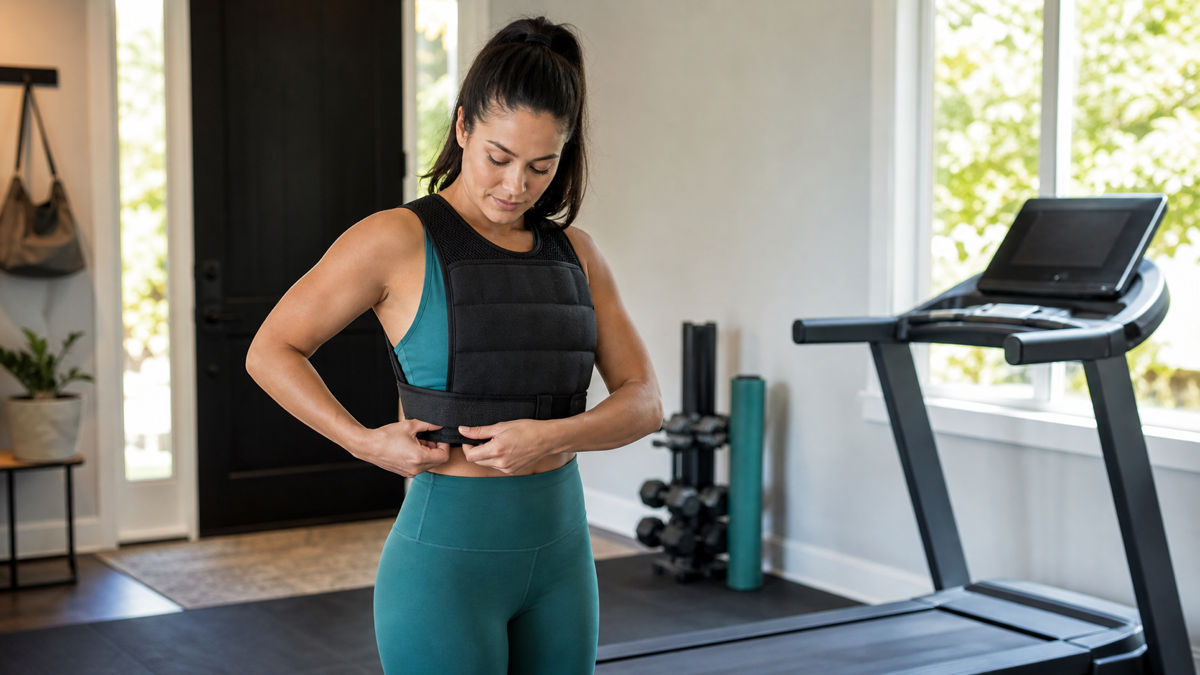
A weighted vest for calisthenics should stay tight when your torso angle changes. Walking vests can work for beginner bodyweight training, but push-ups, pull-ups, dips, lunges, step-ups, and squats demand a vest that does not slide toward your neck or swing away from your chest.
Weighted vest for calisthenics: quick recommendation
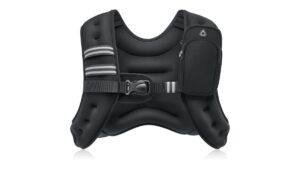
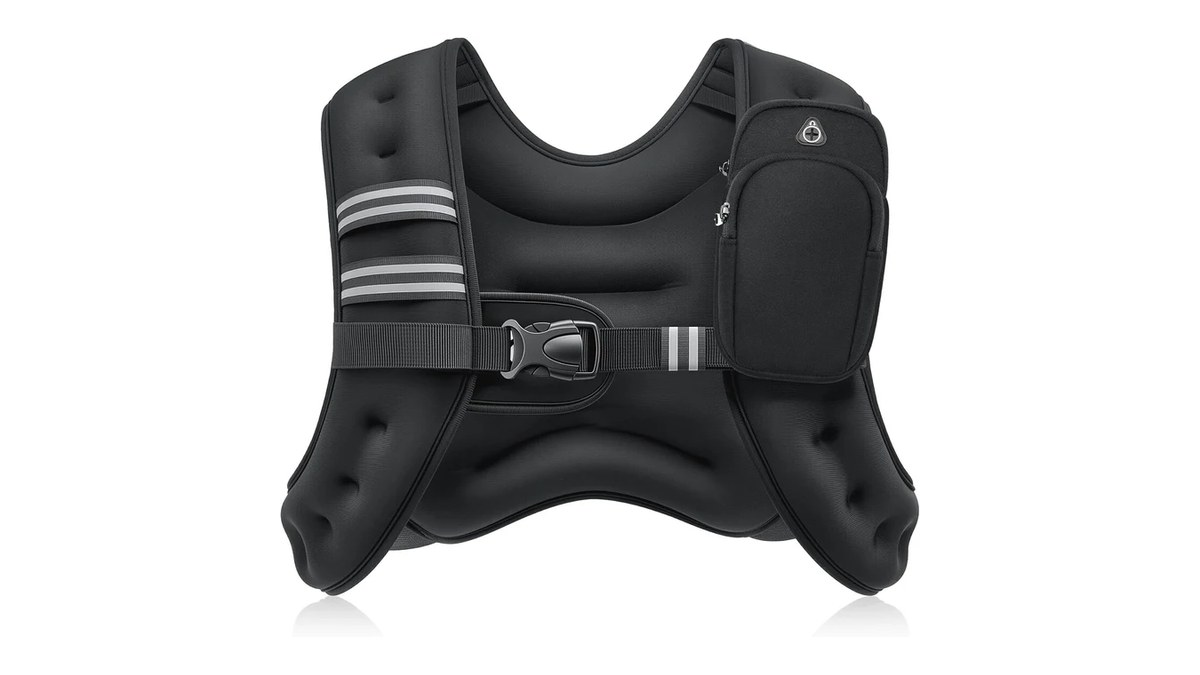
Choose the Classic Y-Shaped Adjustable Vest if you want beginner-to-intermediate progression. Choose the Performance Y-Shaped Vest only if you already handle loaded bodyweight exercises well.
What matters for calisthenics
| Feature | Why it matters |
|---|---|
| Snug torso fit | Prevents shifting during push-ups and hinges. |
| Adjustable load | Lets you progress pull-ups, dips, and squats gradually. |
| Shoulder comfort | Reduces irritation during high-rep sets. |
| Short enough torso | Prevents the vest from hitting hips or thighs. |
Best adjustable pick
The Classic Y-Shaped Adjustable Vest currently lists 4–10, 11–20, and 20–32 lb ranges. For most calisthenics beginners, the 4–10 or 11–20 lb versions make more sense than starting heavy. You can add load once bodyweight reps are clean.
Best heavy pick
The Performance Y-Shaped Vest is listed as a 20–32 lb adjustable vest. That can work for stronger users doing weighted push-ups, step-ups, split squats, and conditioning circuits. It is not the right first vest if your push-ups or pull-ups are still inconsistent.
6 smart progression rules
- Earn clean bodyweight reps before adding a vest.
- Start with the lightest practical load, especially for push-ups and step-ups.
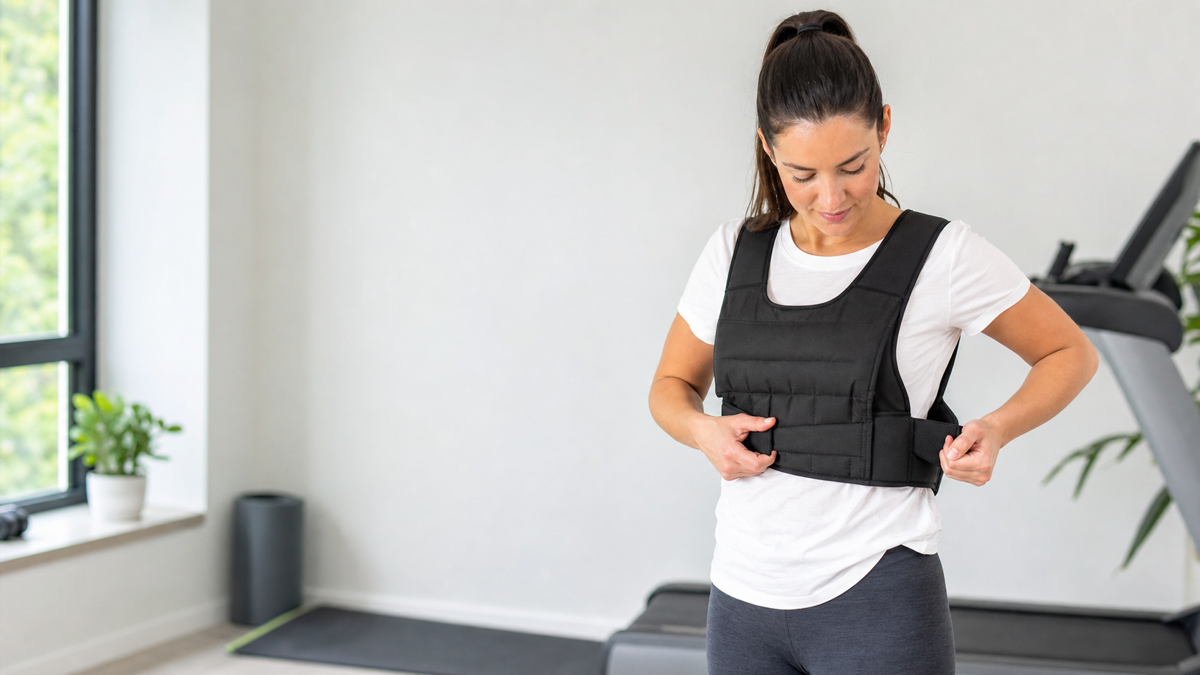
- Keep the vest high and snug so it does not slide during floor work.
- Add weight only after you can repeat the same range of motion.
- Use lower reps for harder moves and higher reps for easier accessories.
- Stop the set if the vest changes your shoulder position or breathing.
A weighted vest for calisthenics should help you progress, not hide weak technique. If the vest makes push-ups sag, pull-ups swing, or squats collapse forward, lower the load and rebuild the movement.
For a first weighted vest for calisthenics block, use the vest on only two or three movements. Keep pull-ups, dips, or push-ups crisp, then add load slowly after the same reps feel repeatable.
Rest matters too. A loaded bodyweight session can feel easy at first and still create more fatigue than normal push-ups or squats. Leave at least one easy day between hard vest sessions until you know how your joints respond.
Starter workout
- Incline push-up or push-up: 3 sets of 5–10 reps
- Bodyweight squat or box squat: 3 sets of 8–12 reps
- Step-up: 2 sets of 8 each side
- Plank: 2 short holds
- Optional walk: 10 minutes after training
Use our weighted vest exercises for beginners for more movement ideas, then use the starting weight guide before adding load.
FAQ
Is a weighted vest good for calisthenics?
Yes, a weighted vest for calisthenics can be useful once your bodyweight reps are stable. It works best for push-ups, step-ups, squats, lunges, and some pull-up progressions.
Should beginners use a heavy weighted vest?
No. Beginners should start light and focus on clean reps. A heavy vest can quickly turn good bodyweight training into messy loaded movement.
Is adjustable better than fixed for calisthenics?
Usually yes. Adjustable load makes it easier to progress gradually across different exercises instead of forcing one fixed weight for every movement.
Bottom line
For calisthenics, adjustable beats fixed for most users. Start lighter than your ego wants, keep reps crisp, and add load only when the vest stays stable through the full range of motion.