Affiliate disclosure: this article contains affiliate links. FitProGuides may earn a commission if you buy through our links, at no extra cost to you. Product prices, color options, and availability can change; check the seller page before buying.
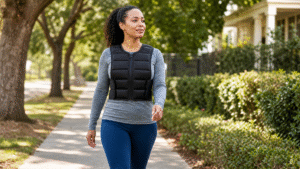
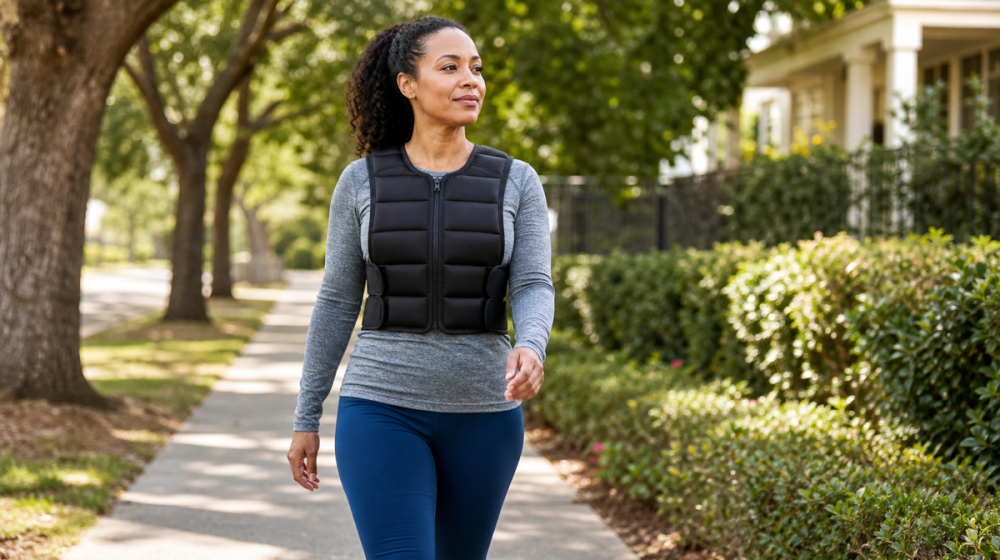
The best weighted vest for walking is not the heaviest vest you can tolerate. It is the vest that stays close to your torso, lets you breathe normally, does not bounce, and gives you enough load to make walking more challenging without changing your stride. For most beginners, that means starting with a light fixed-weight vest or a small adjustable range, not jumping straight to 20 or 30 pounds.
Quick pick: choose the Zelus Classic U-Shaped Fixed Weight Vest if chest comfort is your priority. Choose the Z-Fit Slim Weighted Vest if you want the lowest-profile feel. Choose the Classic Y-Shaped Adjustable Vest if you want one vest that can progress over time.
Best weighted vest for walking: quick comparison
| Pick | Best for | Checked range | Main tradeoff |
|---|---|---|---|
| Classic U-Shaped Fixed | Walking comfort and chest relief | 6–20 lb options | Fixed weight |
| Z-Fit Slim Weighted Vest | Low-profile daily walking | 5, 10, 15 lb options | Not a heavy strength vest |
| Classic Y-Shaped Adjustable | Beginner progression | 4–10, 11–20, 20–32 lb ranges | Bulkier than slim fixed vests |
| Classic X-Shaped Fixed | All-around walking and home workouts | 6–30 lb options | X-shape may not suit every chest fit |
| Performance Y-Shaped Adjustable | Strong users who walk with heavier load | 20–32 lb | Too much starting load for many beginners |
5 buying checks
- The neckline does not press into your throat or chest.
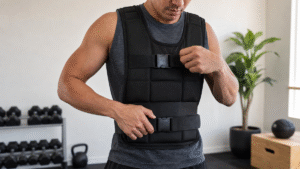
- The vest sits high and close without sliding side to side.
- You can breathe normally and keep your shoulders relaxed.
- The starting load lets you walk with a normal stride.
- The design fits your main use: walking comfort, slim wear, or progression.
Use these checks before buying the best weighted vest for walking for your body. A good walking vest should make the walk harder without making your posture, breathing, or foot strike feel strange.
Best for chest comfort: Classic U-Shaped Fixed Weight
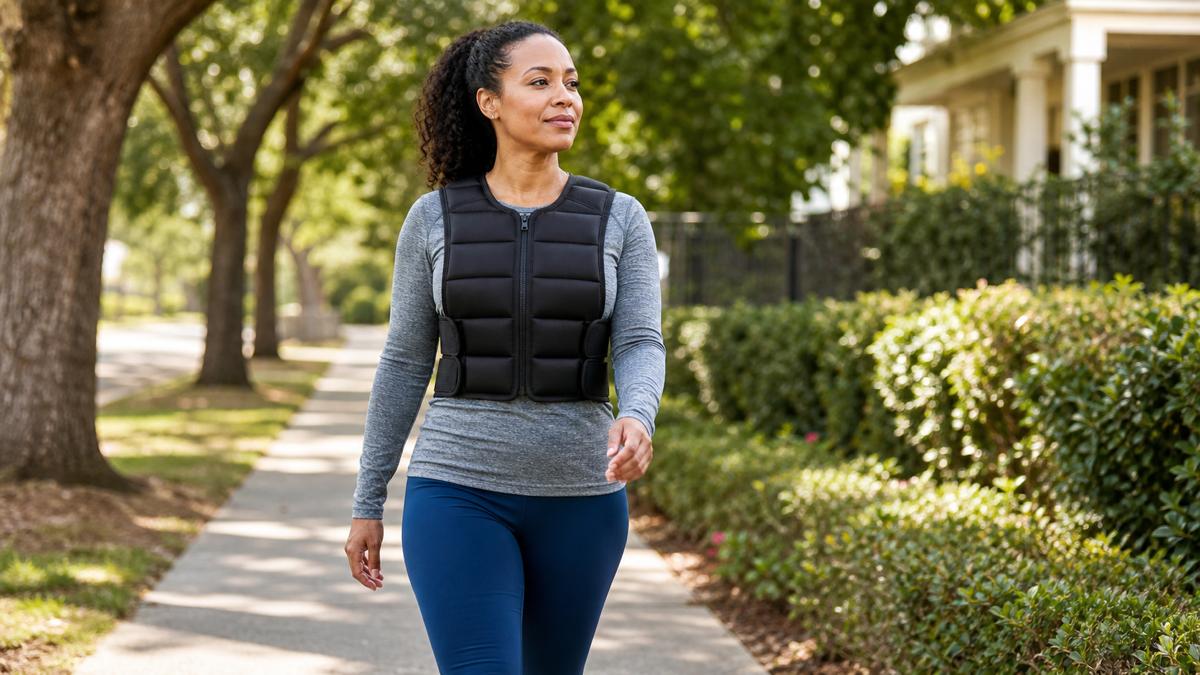
The Classic U-Shaped Fixed Weight Vest is the easiest walking-first recommendation if front-of-chest comfort matters. The U-shaped neckline keeps the front more open than many blocky vests, and the lighter options make sense for walking.
Best low-profile option: Z-Fit Slim Weighted Vest
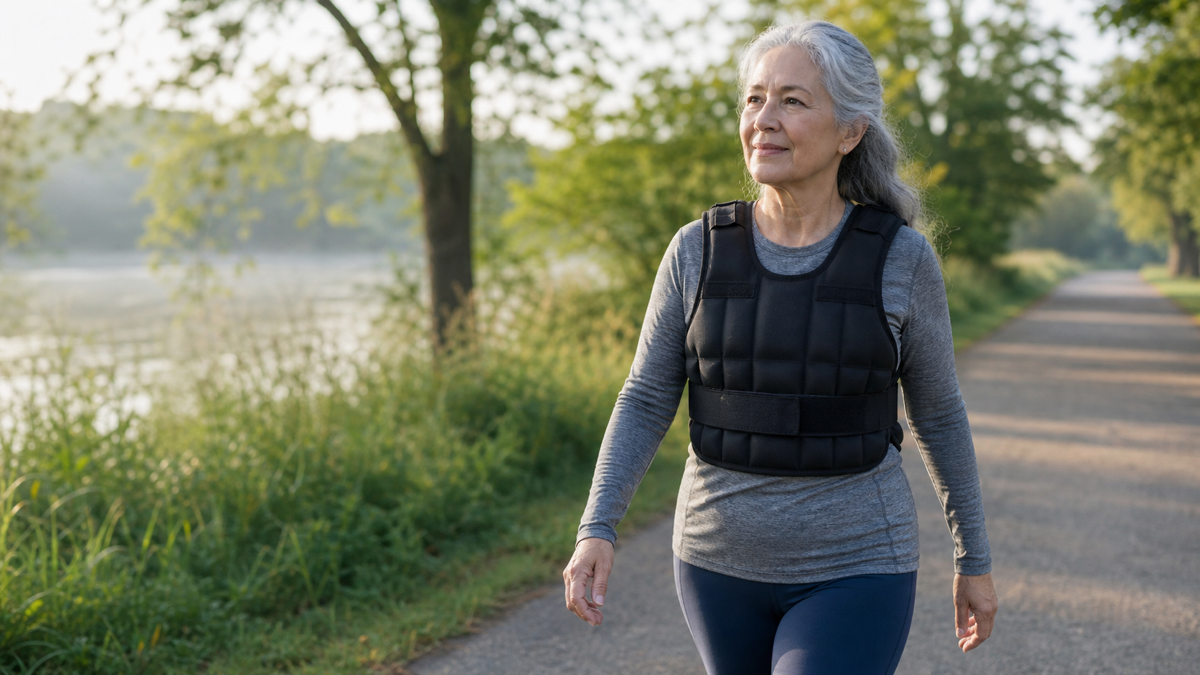
The Z-Fit Slim Weighted Vest is the better pick when you want walking to feel natural. The current 5, 10, and 15 lb options are practical for daily walks, treadmill walking, and users who dislike bulky tactical-style vests.
Best for progression: Classic Y-Shaped Adjustable Vest
The Classic Y-Shaped Adjustable Vest is the right choice if you do not know your long-term walking weight yet. The 4–10 lb range is especially useful for beginners because you can start conservative and add load later.
Walking fit checklist
- You can take a full breath without pressure.
- Your shoulders stay relaxed.
- The vest does not slap, bounce, or rotate.
- Your stride length stays normal.
- You can swing your arms without rubbing.
- You can complete a flat 10–20 minute walk without joint discomfort.
If you are brand-new, read our weighted vest for walking beginner guide and starting-weight guide before buying. A 5–10 lb vest is often plenty for the first block of walking workouts.
FAQ
What is the best weighted vest for walking beginners?
The best weighted vest for walking beginners is usually a light fixed vest or a small adjustable range. Start with comfort and stability before chasing heavier resistance.
Is a 20 lb vest too heavy for walking?
It can be too heavy for many beginners. A lighter 5–10 lb start is easier to control and often enough to make walking more challenging.
Should a walking vest be fixed or adjustable?
Fixed vests feel simpler and slimmer. Adjustable vests are better if you want one vest that can progress over time.
Bottom line
The best weighted vest for walking is the one you can use consistently. For most walkers, start with the U-Shaped Fixed Vest or Z-Fit Slim Vest. Choose the adjustable Y-Shaped Vest if progression matters more than low-profile comfort. Then build gradually: time first, pace second, weight last.