
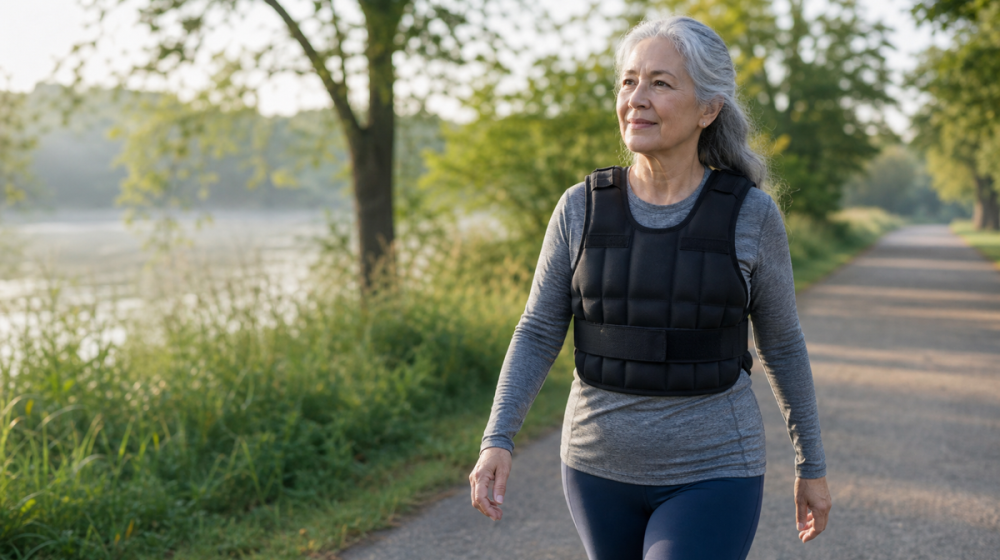
This guide is for general fitness education. If you have osteoporosis, a fracture history, balance concerns, dizziness, neuropathy, chest pain, uncontrolled blood pressure, recent surgery, pregnancy-related restrictions, or pain in your back, hips, knees, feet, neck, or shoulders, ask a qualified professional before adding load.
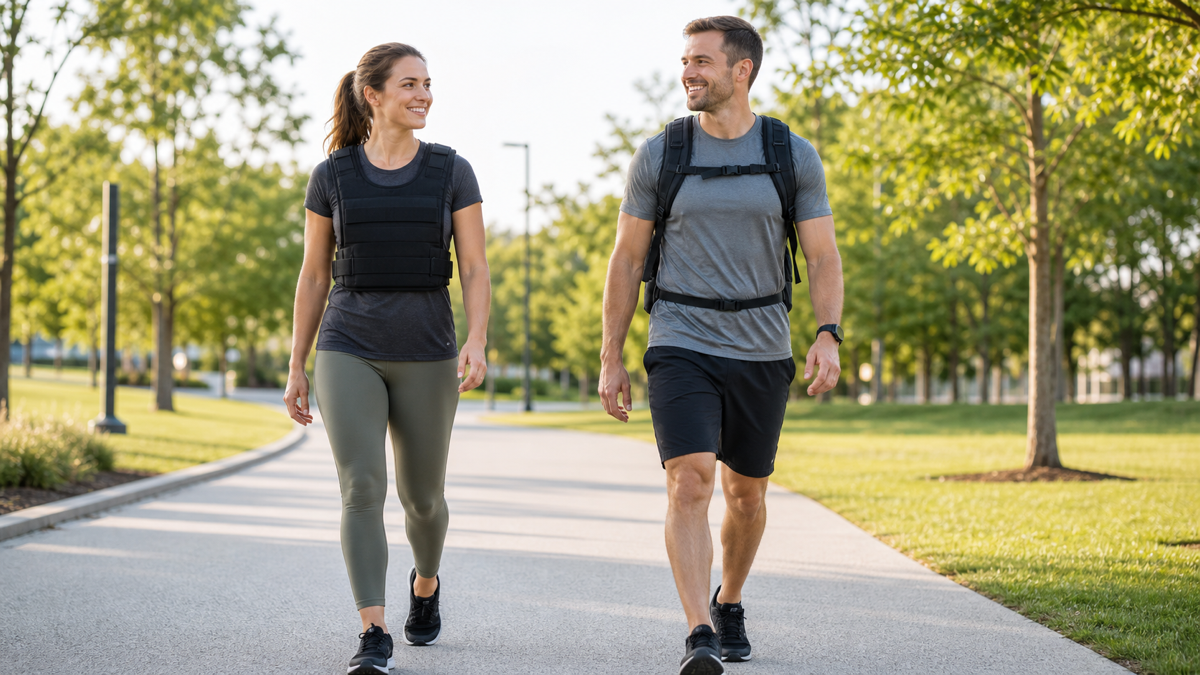
A weighted vest for women over 50 can be useful, especially for walking, but it deserves a little more care than the internet usually gives it. The short version: start light, make fit the priority, progress slowly, and be skeptical of any vest that promises instant bone density, menopause weight loss, or “toning” magic. A vest is not magic. It is a simple way to add load to a movement you may already do consistently.
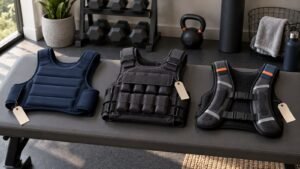
Used well, a weighted vest can make a neighborhood walk feel more purposeful, help you progress without jogging, and add gentle resistance to your lower body and trunk. Used poorly, it can irritate your shoulders, change your stride, flare up joints, or make a safe walk feel clumsy. If you already know you want one, compare options in our best weighted vests for women guide. If you are still deciding, this guide will help you choose a starting weight, fit style, and walking plan that makes sense after 50.
Weighted vest for women over 50: quick answer
The best weighted vest for women over 50 is usually adjustable, snug without compressing the chest, short enough for your torso, and light enough that your walking form still looks like walking. Most beginners should start around 2% to 5% of body weight, then add time before adding more weight.
| Question | Practical answer | Why it matters |
|---|---|---|
| Best first use | Flat walking, 10–20 minutes, 2–3 times per week | Easy to control and recover from |
| Starting weight | About 2–5% of body weight for cautious beginners | Less bounce, less joint stress, better form |
| Best vest style | Adjustable, close-fitting, short torso, small weight increments | Women often need better chest and shoulder fit |
| Bone-health claim | Possibly helpful as part of a structured plan, not a treatment | Bone density claims need caution |
| When to get clearance | Osteoporosis, fracture history, balance issues, dizziness, pain, heart symptoms | Loaded walking is still loaded exercise |
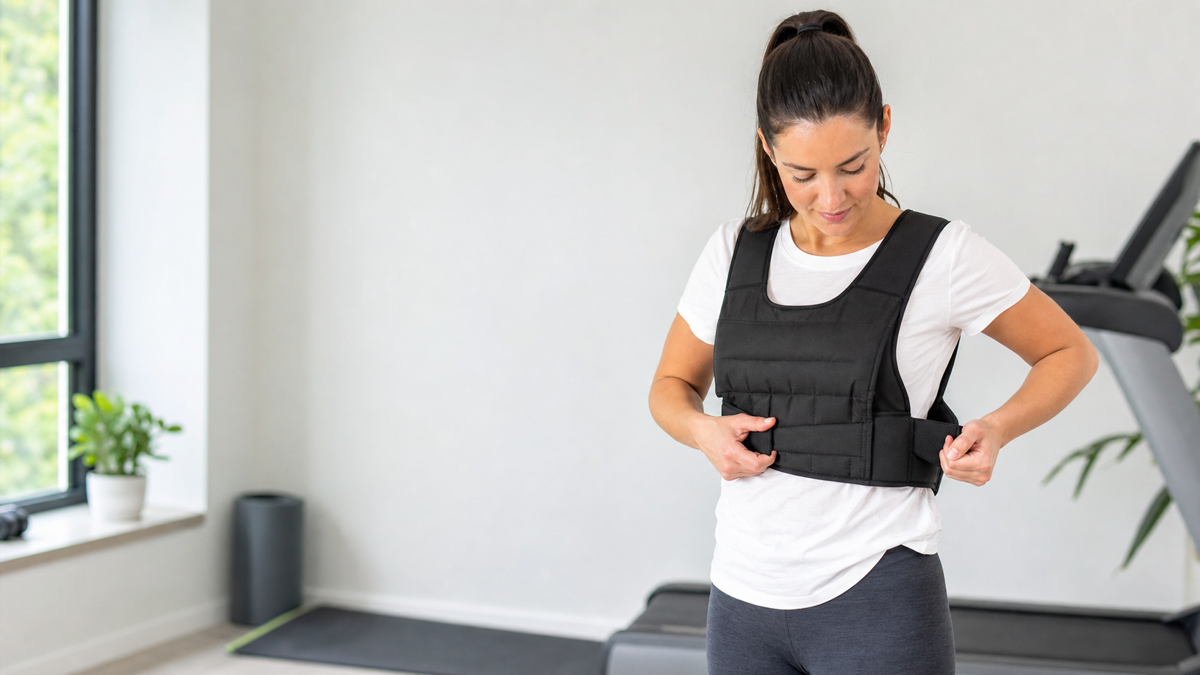
If you want a deeper fit checklist, use our weighted vest size and fit guide. Fit is not a cosmetic detail here. It is the difference between “nice training tool” and “why is this thing attacking my collarbones?”
Why weighted vests appeal to women after 50
After 50, many women are trying to solve several problems at once: stay active, maintain strength, support bone health, manage body-composition changes, and keep workouts joint-friendly. Walking is popular because it is familiar, low skill, inexpensive, and easy to repeat. A weighted vest builds on that habit instead of asking you to become a completely different exerciser overnight.
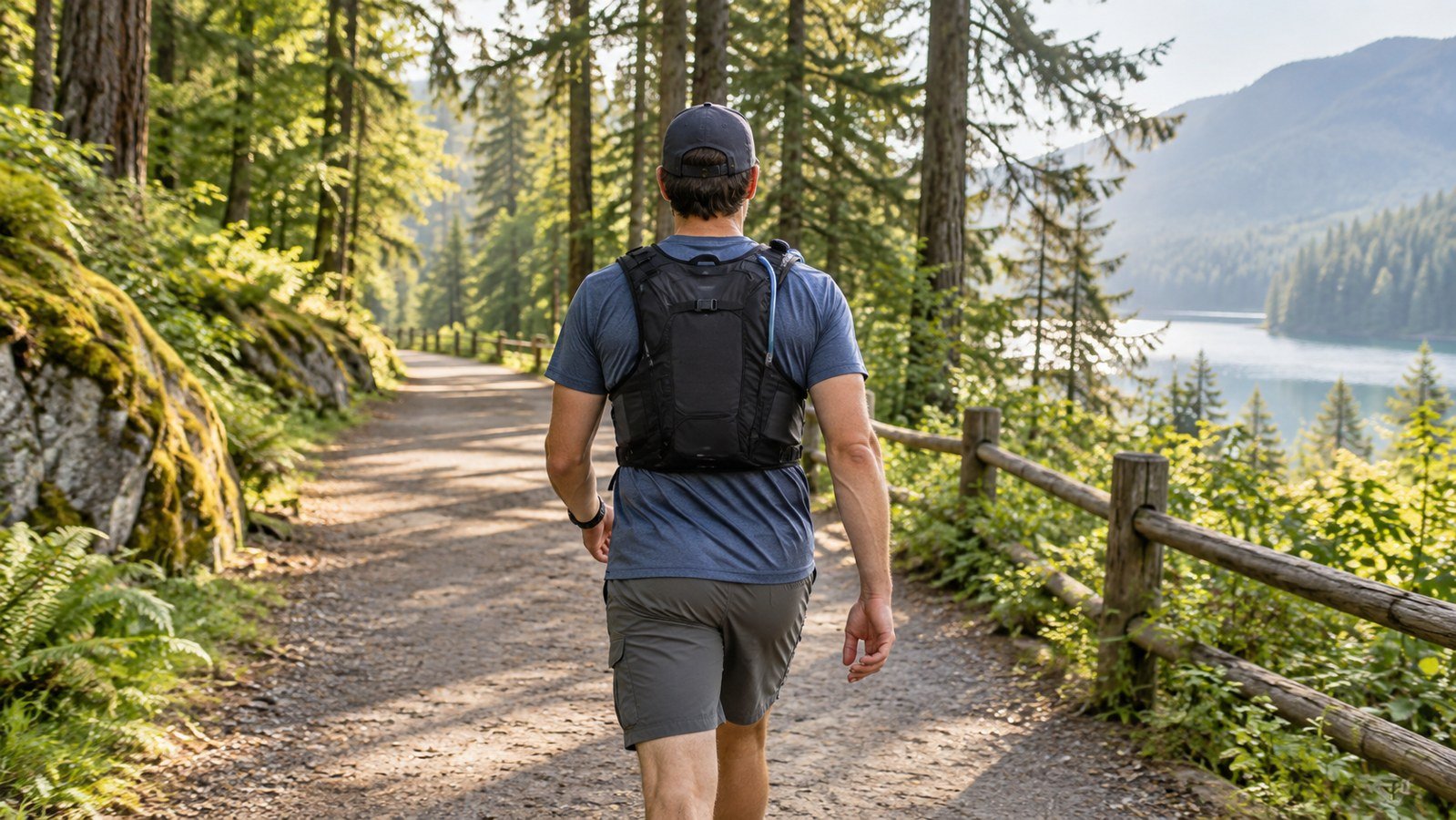
The appeal is simple: you can keep the same route and pace, but make the walk more challenging. That can be helpful if jogging bothers your knees, hills are not available, or you only have 15 to 25 minutes. A vest can also make short sessions feel less like “just a walk” and more like intentional training.
Still, the vest should not replace strength training. The CDC recommends older adults include aerobic activity, muscle-strengthening work, and balance-focused activity each week. A vest walk can support the aerobic and loading side, but it is not the whole plan. You still want squats or sit-to-stands, hip hinges, rows, carries, step-ups, mobility, and balance work scaled to your ability.
Can a weighted vest help bone density after menopause?
This is the question that needs the most nuance. Weight-bearing exercise can be useful for bone health, and organizations such as Mayo Clinic and the Bone Health & Osteoporosis Foundation discuss weight-bearing and strengthening exercise as part of osteoporosis-aware movement. A weighted vest may increase skeletal loading during walking or lower-body exercises, which is why it often appears in bone-health conversations.
There is also some research on weighted vest exercise in postmenopausal or older women. Small supervised studies have reported improvements in balance, strength, fall-risk measures, or bone-related outcomes when weighted vests were combined with walking, stair climbing, jumping, or lower-body strength work. That is encouraging, but it is not the same as saying any woman can buy a vest, walk daily, and reverse bone loss.
For FitProGuides, the honest recommendation is this: a weighted vest may be one useful loading tool in a broader plan, but it should not be presented as an osteoporosis treatment. If you have osteoporosis, osteopenia, a fracture history, or are unsure about spinal or hip loading, ask your clinician or physical therapist what level of impact and load is appropriate for you.
How heavy should a weighted vest be for women over 50?
For many beginners, the best starting point is lighter than expected. Around 2% to 5% of body weight is enough for most people to notice a difference without changing stride too much. If you weigh 150 pounds, that means roughly 3 to 7.5 pounds to start. If your vest only adjusts in bigger jumps, start with the lowest setting.
Healthy, experienced exercisers may eventually tolerate more, but the first goal is not “how much can I carry?” The first goal is: can you walk naturally, breathe comfortably, keep the vest stable, and feel normal the next day?
| Experience level | Suggested starting point | Progress only if |
|---|---|---|
| New to exercise or returning after a break | Unloaded walking first, then 2–3% body weight | You can walk regularly without pain or balance concerns |
| Consistent walker | 3–5% body weight | Your stride, breathing, and recovery stay normal |
| Experienced strength trainee | 5% body weight, sometimes more later | You progress one variable at a time |
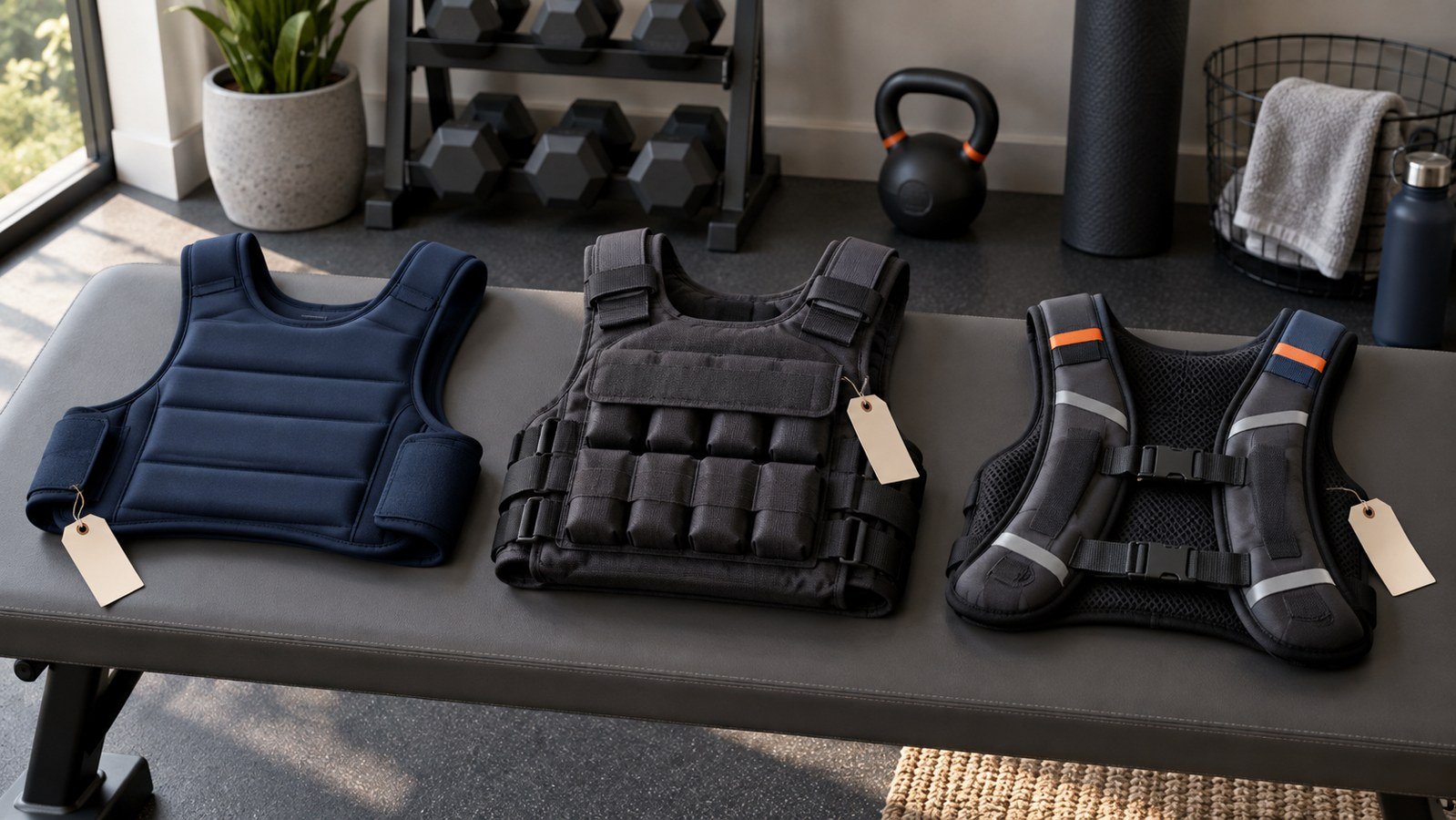
For a broader load calculator and examples, read how heavy should a weighted vest be?. That guide is useful if you are comparing fixed-weight vests against adjustable models.
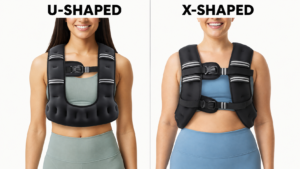
Fit matters more for women over 50 than the product page admits
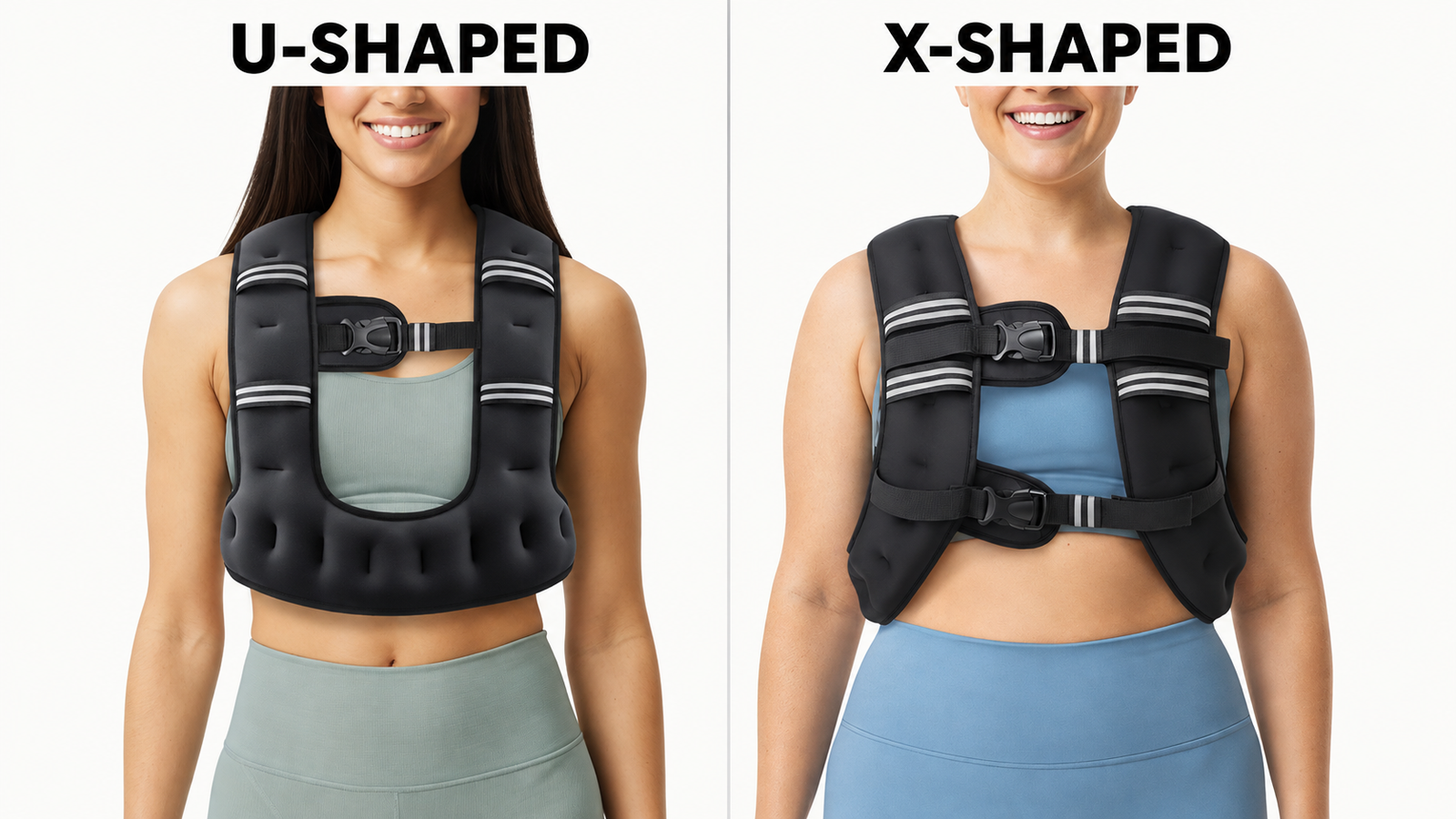
Many vests are modeled on tall athletes with long torsos and broad shoulders. That does not mean they will feel good on a shorter woman, a petite frame, a larger chest, or someone who dislikes pressure near the neck. If the vest rides up, bounces, digs into the ribs, or presses awkwardly across the chest, the weight number is almost irrelevant.
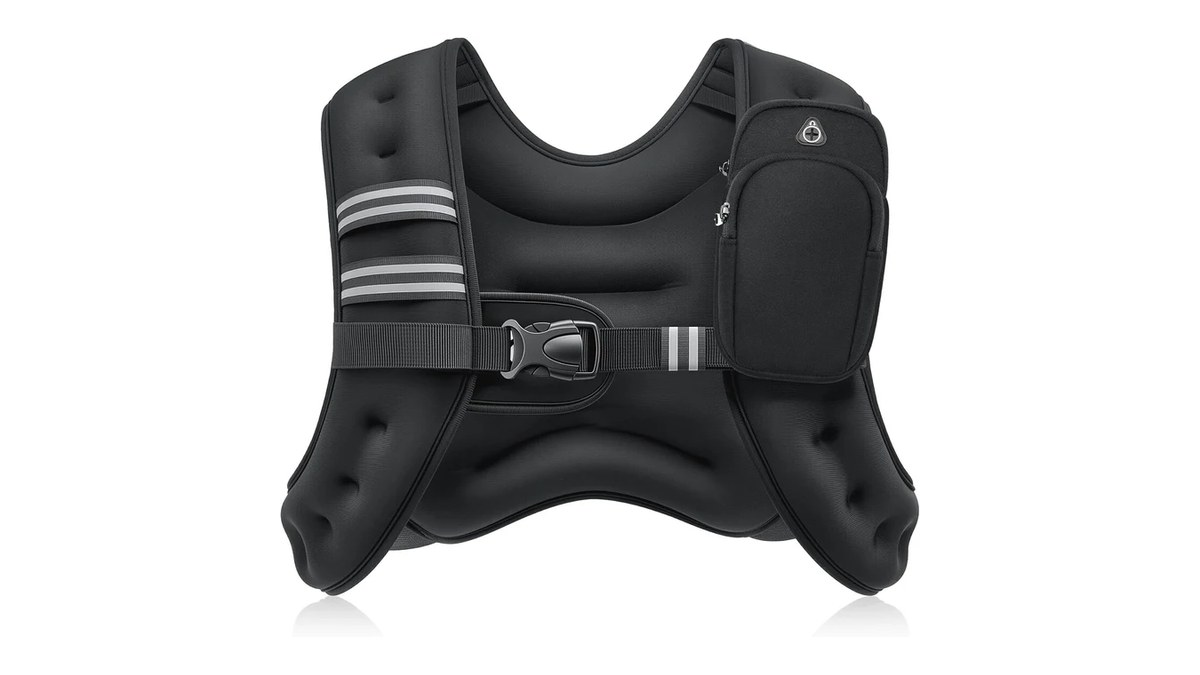
Look for these fit details:
- Shorter torso length: the vest should not jam into your hips when you sit, bend, or climb stairs.
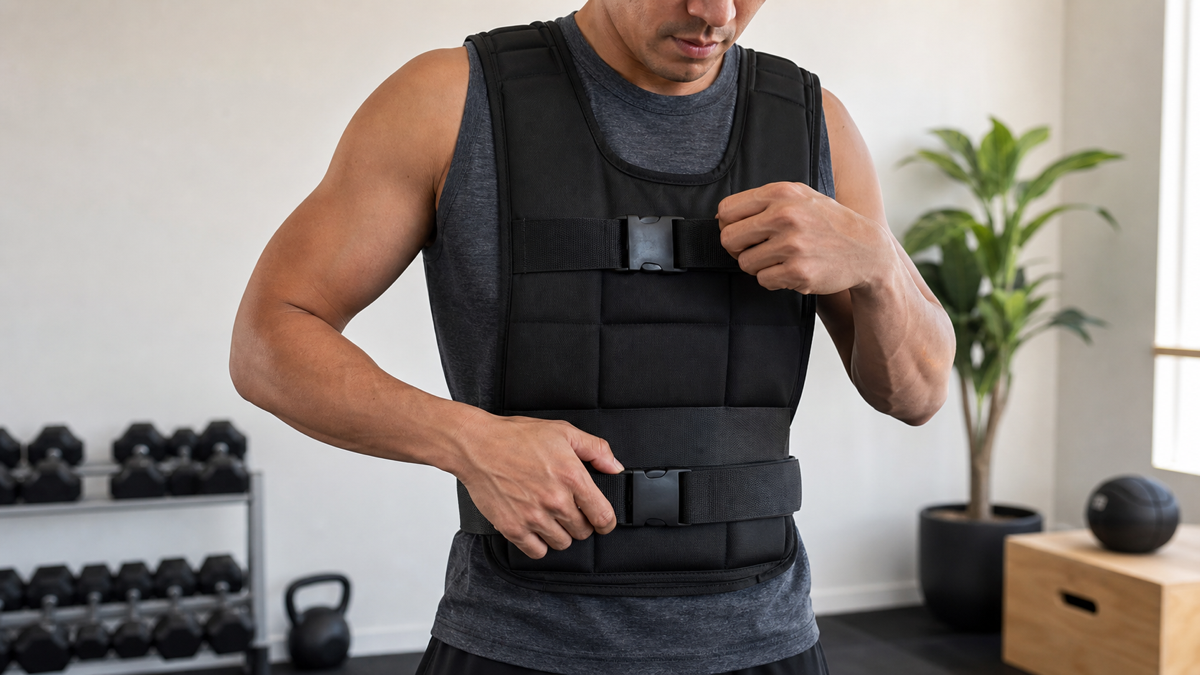
- Stable side adjustment: side straps should reduce bounce without making breathing feel restricted.
- Comfortable shoulder shape: narrow shoulder straps can dig in, especially during longer walks.
- Small weight increments: one- or two-pound changes are easier to manage than big jumps.
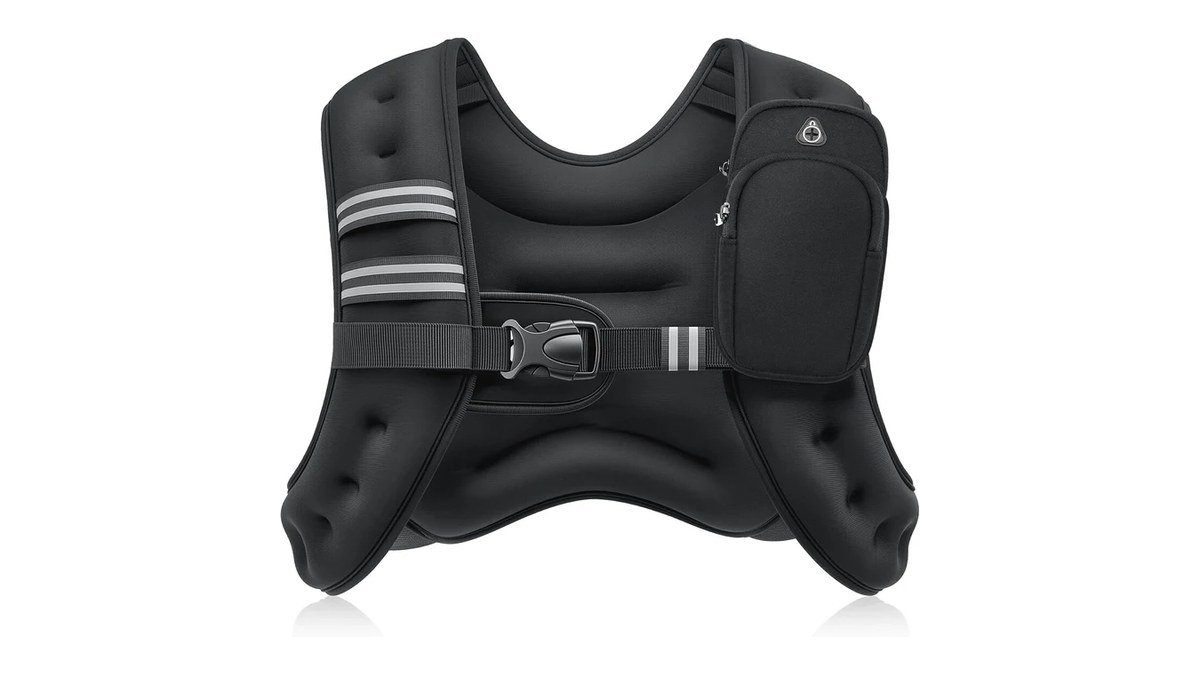
- Breathable fabric: vests trap heat, and heat management matters more on outdoor walks.
- No awkward chest compression: snug is good; pressure that changes posture or breathing is not.
If you want a women-specific buying shortlist, use our women’s weighted vest guide. If you want the bigger home-gym view, see best weighted vests for home workouts.
A simple 4-week weighted vest walking plan
This plan assumes you can already walk comfortably without load. If you are just getting back into movement, spend two to four weeks building an unloaded walking habit first. Your connective tissue is not impressed by enthusiasm. It prefers receipts.
| Week | Vest walks | Session target | Progress rule |
|---|---|---|---|
| 1 | 2 sessions | 10–15 minutes, flat route, 2–5% body weight | Repeat the same setup if anything feels off |
| 2 | 2 sessions | 15–20 minutes, same weight | Add minutes before weight |
| 3 | 2–3 sessions | 20 minutes, same weight or tiny increase | Only progress if recovery is easy |
| 4 | 2–3 sessions | 20–25 minutes or gentle incline | Add either incline, time, or weight — not all three |
Keep at least one unloaded walking day between vest sessions at first. If your knees, feet, hips, back, or neck complain the next day, reduce load or duration. If you are using a treadmill, start with the beginner setup in our weighted vest walking benefits guide, then move to a structured weighted vest walking plan when the basics feel easy.
What to pair with vest walking
A vest walk works best when it is part of a balanced week. After 50, the “balanced” part matters. Walking builds consistency and endurance. Strength training helps preserve muscle and power. Balance work helps with confidence and fall prevention. Mobility keeps positions available. Recovery makes the plan sustainable.
A simple week might look like this:
- 2 weighted vest walks: short, light, controlled.
- 2 strength sessions: squats or sit-to-stands, hip hinges, rows, step-ups, presses, and carries scaled to ability.
- 1–3 unloaded walks: easy volume without extra load.
- Brief balance work: heel-to-toe walking, supported single-leg stands, or step practice.
- Recovery days: especially if sleep, joints, or stress are not cooperating.
If you want to add simple movements beyond walking, start with weighted vest exercises for beginners. Keep the load lighter for exercises that challenge balance.
Who should skip or delay weighted vest walking?
Delay weighted vest walking if unloaded walking currently causes pain, numbness, dizziness, unusual shortness of breath, chest discomfort, or balance problems. Also be careful if you have spinal osteoporosis, a recent fracture, severe arthritis, neuropathy, foot problems, or a history of falls. A vest can be modified, but it cannot make an unsafe movement pattern safe by itself.
For some people, a better first step is strength training with support, supervised physical therapy, pool walking, cycling, or simply building an unloaded walking habit. There is no prize for choosing the hardest tool first. The best training tool is the one that lets you come back next week.
Weighted vest vs backpack after 50
A weighted vest usually spreads load around your torso, while a backpack puts most load behind you. For many walkers, a vest feels more balanced. For others, especially people with chest sensitivity or heat issues, a small backpack may feel easier. The best option depends on fit, load, posture, and terrain.
If your goal is outdoor rucking with heavier loads, a backpack may eventually make more sense. If your goal is light loaded walking, home workouts, or treadmill sessions, a vest is usually simpler. For a full comparison, read weighted vest vs rucking backpack.
FAQ
Is a weighted vest safe for women over 50?
It can be safe for many healthy women over 50 when the vest is light, fits well, and is progressed slowly. It may not be appropriate if you have osteoporosis, fracture risk, balance issues, dizziness, heart symptoms, recent surgery, or joint/back pain unless a qualified professional clears it.
Can a weighted vest help with menopause belly fat?
A vest can make walking more demanding, but it does not target belly fat or override nutrition, sleep, stress, muscle mass, and overall energy balance. Treat it as an intensity tool, not a menopause fat-loss shortcut.
Does walking with a weighted vest improve bone density?
Loaded walking may increase bone-loading stimulus, and some structured studies in postmenopausal or older women are encouraging. But a consumer weighted vest is not an osteoporosis treatment. If bone density is your main reason for using one, ask your clinician what impact and load are appropriate for your spine and hips.
How often should women over 50 walk with a weighted vest?
Start with two sessions per week. If recovery is easy for several weeks, move to two or three. Use unloaded walking on other days so your feet, joints, and back can adapt.
Should the vest feel tight around the chest?
It should feel snug enough not to bounce, but it should not restrict breathing, compress the chest awkwardly, or pull your shoulders forward. If fit feels wrong, reduce weight, adjust straps, try a different shirt layer, or choose a vest with a shorter torso and better side adjustment.
Bottom line
A weighted vest for women over 50 can be a smart training tool when it is light, stable, and used with patience. Start with walking, keep the load conservative, and progress one variable at a time. Use it to support a broader plan that includes strength, balance, and recovery — not to replace those things.
If you are ready to compare models, start with our best weighted vests for women. If you are still deciding what load makes sense, read how heavy should a weighted vest be? next.
Sources and further reading
- CDC: Physical activity guidelines for older adults
- National Institute on Aging: Exercise and physical activity
- Mayo Clinic: Exercising with osteoporosis
- Bone Health & Osteoporosis Foundation: Exercise for safe movement
- PubMed: Weighted vest walking, strength training, BMD, balance, strength, and self-efficacy in older women
- PubMed: Weighted vest lower-body exercise and fall-risk indices in older women
- PubMed: Weighted exercises and bone mineral density in postmenopausal women