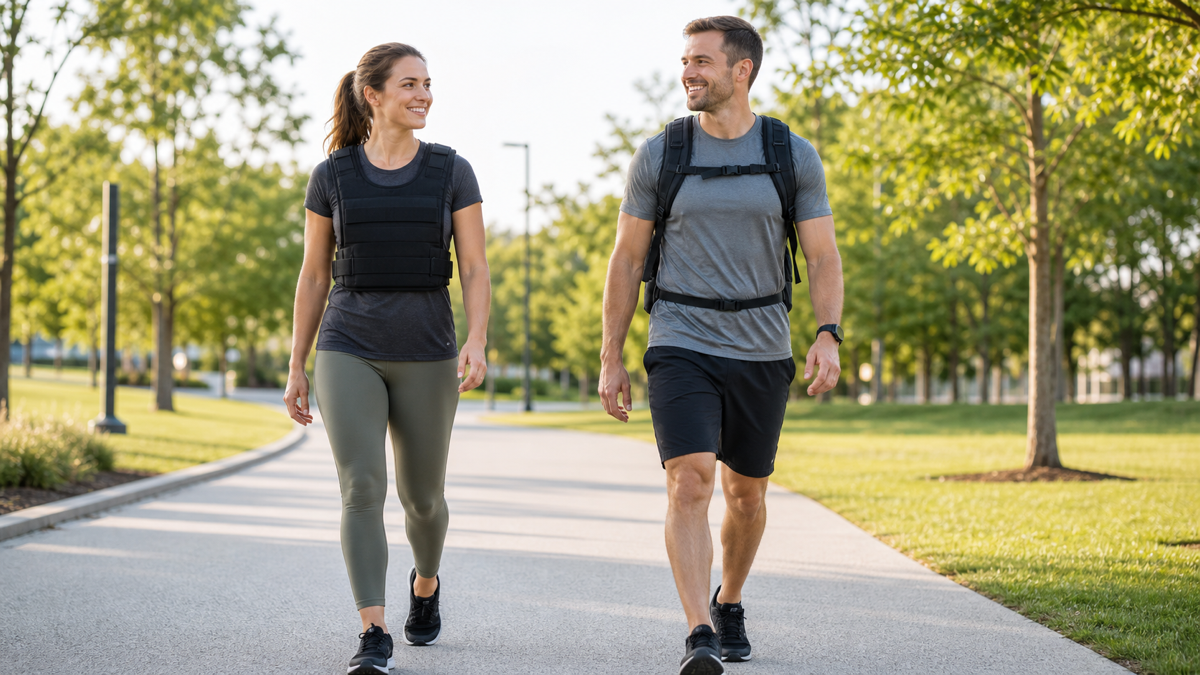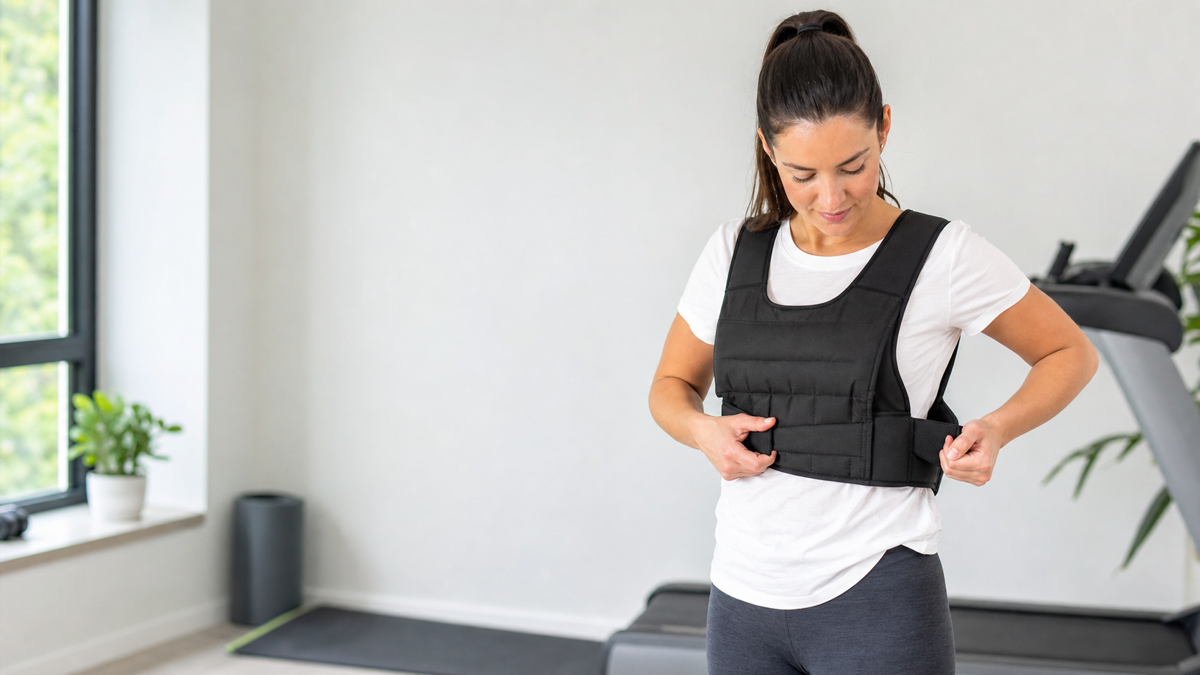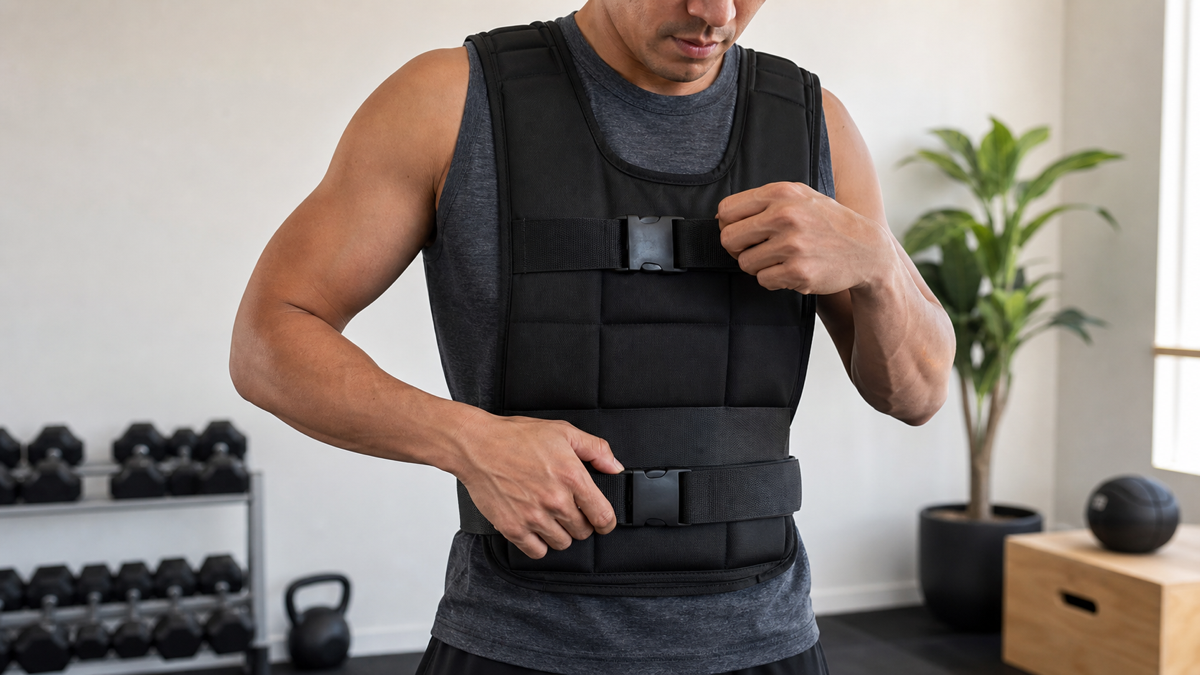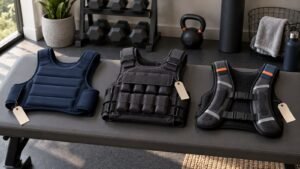
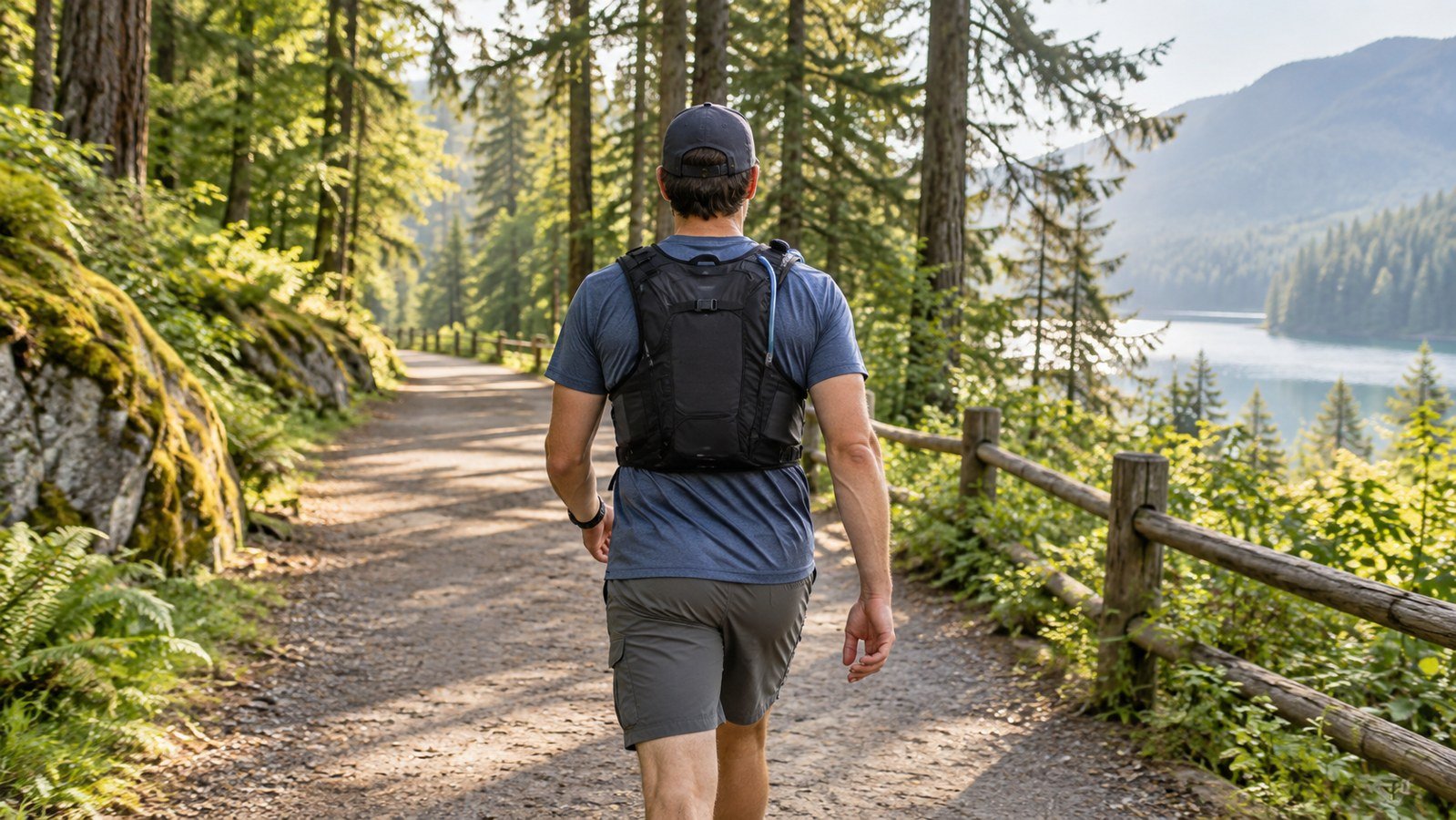
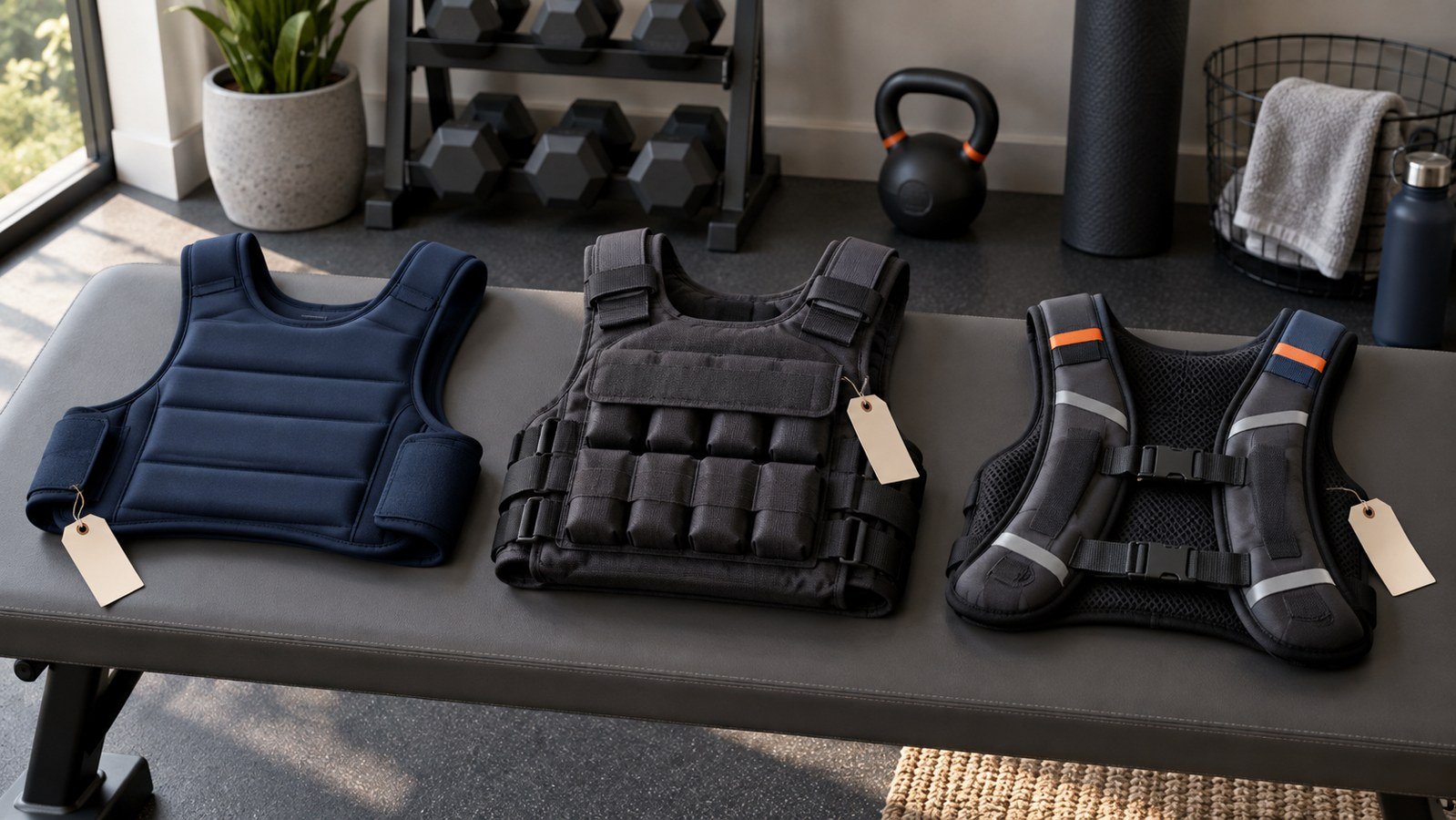

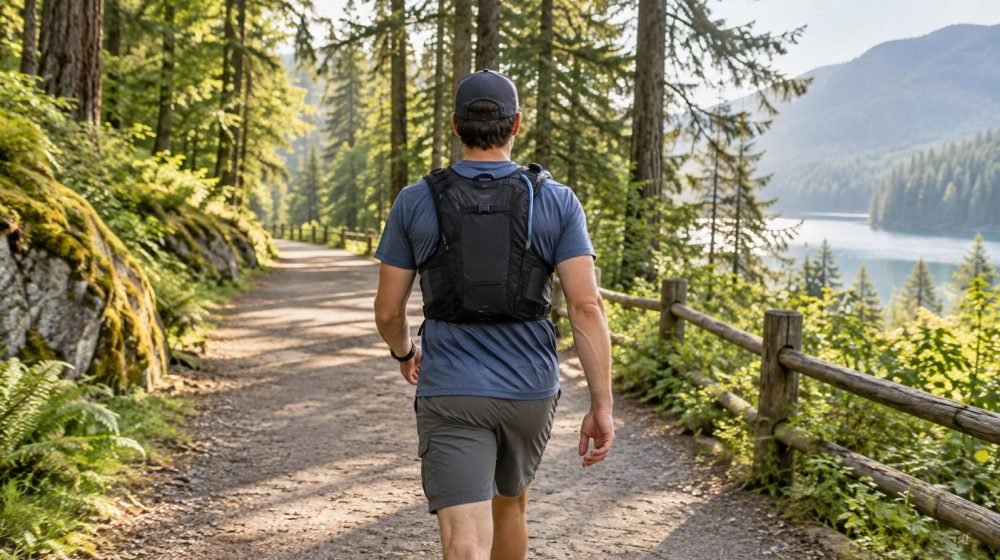
A weighted vest for hiking can make sense on a short, familiar and stable trail when you want removable training load and can still carry the water and safety gear the route requires. It becomes a poor tool when the route is steep, technical, remote or hot enough that footing, cooling and essentials already demand your full attention.
Affiliate disclosure: FitProGuides may earn a commission if you buy through a marked Zelus link, at no extra cost to you. Product facts and prices below were checked on September 15, 2026. We did not hike in these products, so this is a route, fit and specification guide rather than a hands-on test.
When a weighted vest for hiking makes sense
The best case is controlled outdoor conditioning: a short route you already know, stable footing, easy access to the trailhead and no need to sacrifice water or the National Park Service 10 Essentials. The vest supplies training load around the torso while your normal footwear and hiking plan stay unchanged.
This is narrower than rucking. A pack carries water, food, layers and emergency items; a vest mainly adds resistance. Read our weighted vest vs rucking backpack comparison if carrying useful gear is part of your goal.
Weighted vest for hiking buying table
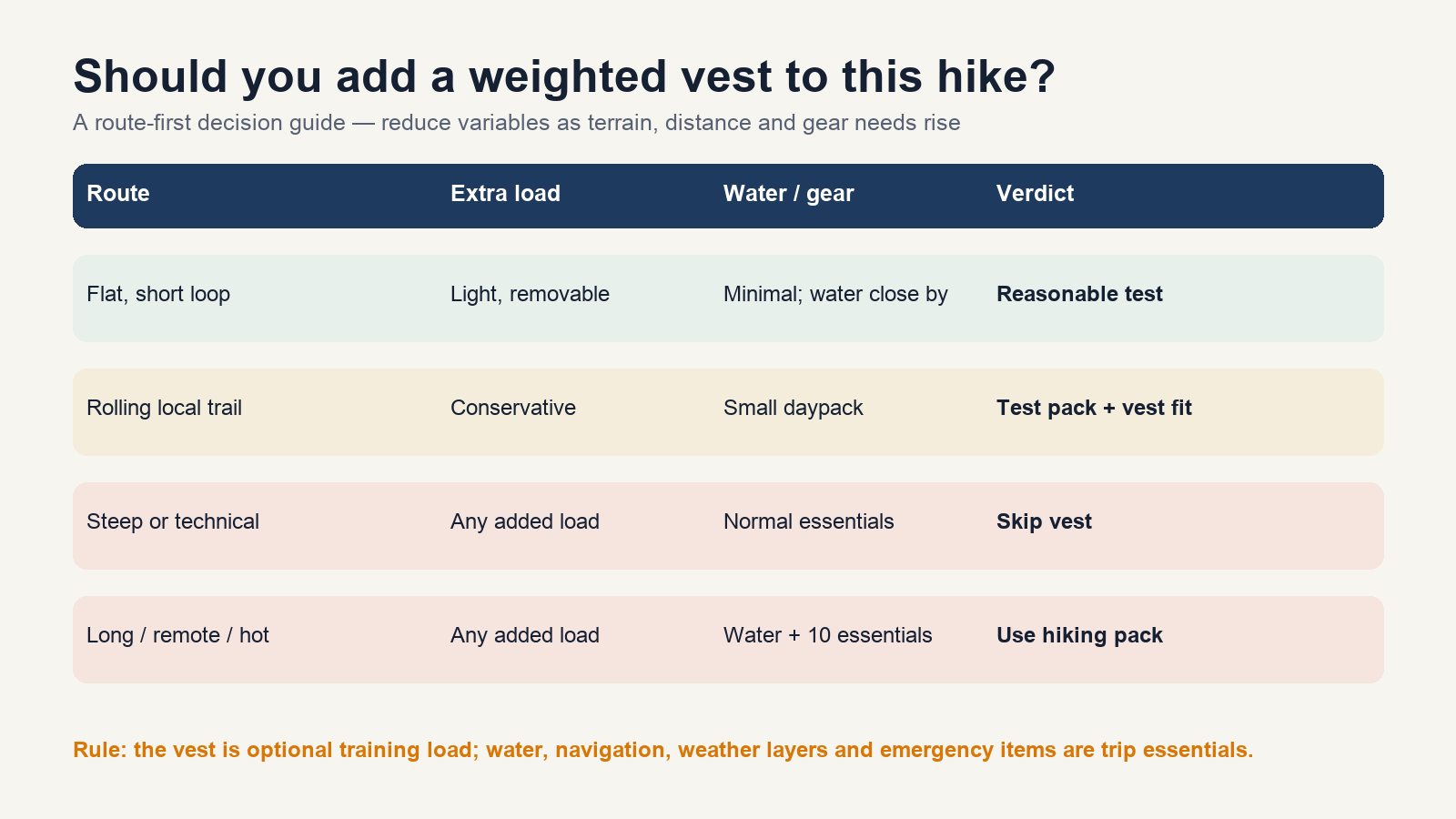
| Route/use | Load control | Vest feature to prioritize | Better alternative when |
|---|---|---|---|
| Flat neighborhood or park loop | Light; removable preferred | Close fit and easy buckle access | You need meaningful water or layers |
| Rolling, familiar local trail | Conservative and tested on flat ground first | Shoulder/side adjustment plus secure pockets | The vest and daypack straps overlap |
| Steep or technical trail | Skip added vest load | Footing and movement matter more | Loose rock, exposure, scrambling or sharp descents appear |
| Long, remote or hot hike | Skip the vest | Use load capacity for essentials | Water, food, navigation or emergency gear is required |
Seven terrain and load checks before you buy
- Start with the route, not the vest maximum. Favor a broad, stable and familiar surface for the first sessions. NPS advises researching terrain, checking conditions and carrying gear suited to the route.
- Choose a removable starting load. The ability to take out weight matters more outdoors because weather, fatigue and elevation can change the session. Use our weighted vest weight guide to set a conservative first range.
- Check downhill control. A load that feels manageable uphill can feel awkward on the descent. Turn around early if your pace, posture or foot placement deteriorates.
- Test strap contact before the trail. Walk stairs and an easy loop with the exact shirt, vest and daypack combination. Look for rubbing, buckle pressure and blocked access to the vest release.
- Keep water independent from marketing pockets. A small front pocket may hold a phone, but it does not replace the amount of water and equipment your trip requires.
- Plan for heat. Added torso coverage can feel warmer. The CDC recommends staying cool, carrying fluids and taking breaks in hot conditions; choose the coolest part of the day or remove the vest.
- Define a stop rule. Stop or unload when you notice pain, numbness, dizziness, unusual weakness, nausea, poor footing or loss of normal walking form. A training target never outranks a safe return.
Two adjustable Zelus options to compare
These are current specification matches, not universal winners. The right choice depends on your starting load, torso fit and whether the vest leaves room for essential hiking gear.
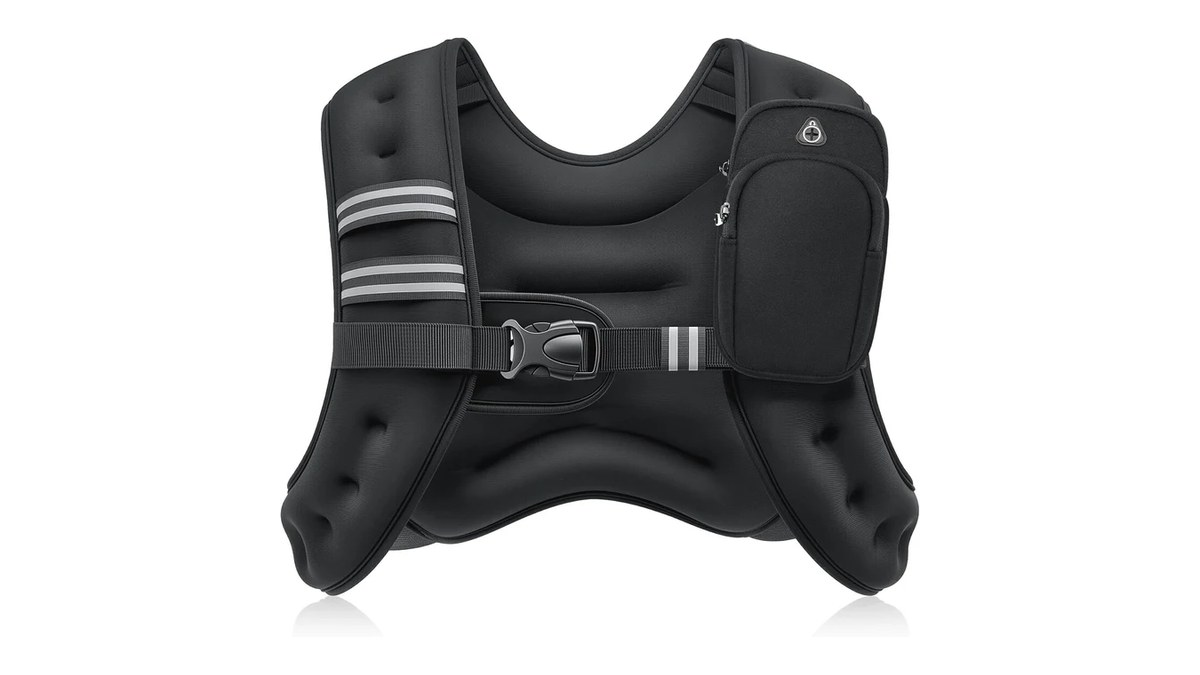
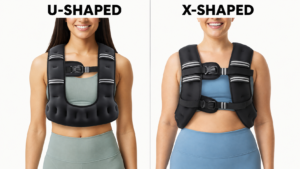
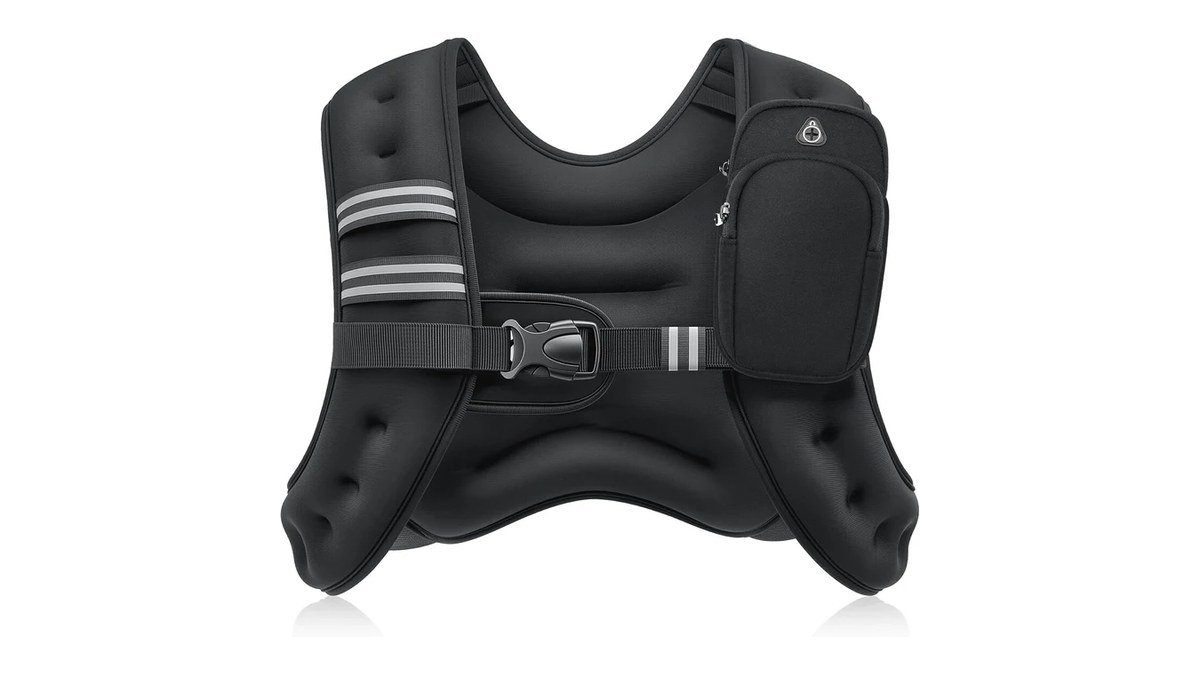
Zelus Classic Adjustable X-Shaped 4–10 lb
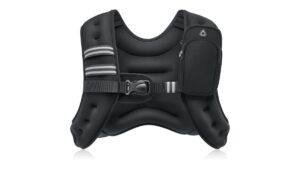
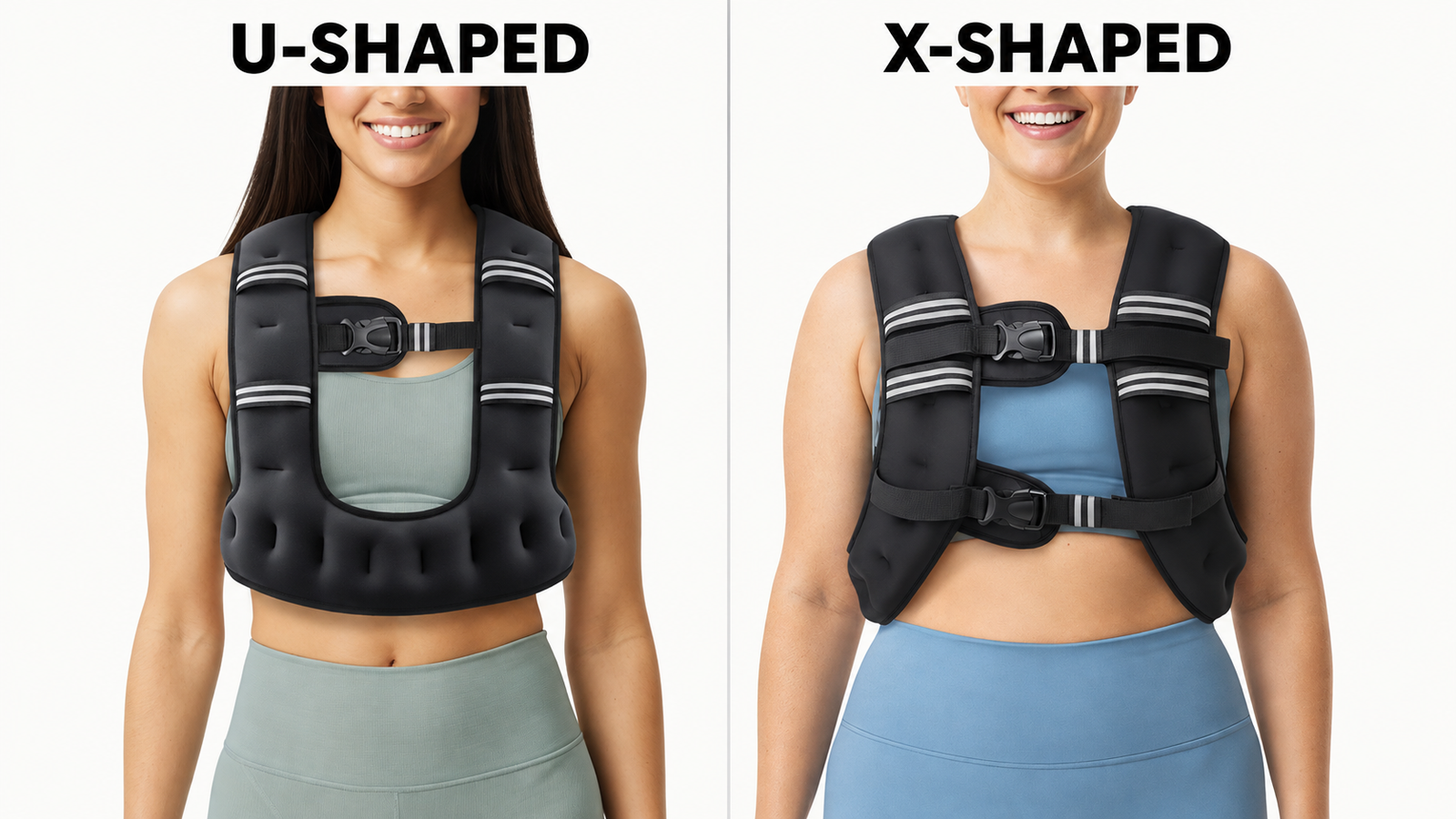
The 4–10 lb variant was listed at $39.99 and available in six colors when checked. Its lower starting range and removable load make it the more practical of the two for short, easy trail conditioning. Zelus lists an adjustable X-shaped structure, a front pocket and reflective details. The 11–20 lb version was $84.99, but a higher range is not automatically better for hiking.
Pros: lower starting load, six-pound adjustment span, several current colors and a price below the Z-Fit option. Cons: neoprene and weight pockets add torso coverage; fit and bounce still need a flat-ground test; the page’s product description mixes details across variants, so confirm the selected range in the cart.
Who should skip it: anyone who needs a full hiking pack, plans technical terrain or cannot keep the vest clear of pack straps.
Check the Classic Adjustable X-Shaped variants at Zelus.
Zelus Z-Fit Slim Adjustable 8–14 lb
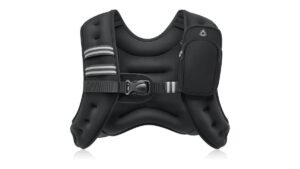
The 8–14 lb range was listed at $79.99 and available. Zelus describes adjustable shoulder and side straps, removable soft weight blocks, reflective strips and a front zip pocket. The current page says the blocks should be removed before deeper hand washing and does not recommend machine washing.
Pros: removable six-pound range, closer-profile construction and fit adjustment at shoulders and sides. Cons: it starts heavier than the Classic 4–10 lb, costs more and can still conflict with a daypack. Manufacturer cooling and comfort statements are claims, not independent trail-test results.
Who should skip it: a beginner who needs a starting load below 8 lb, or a hiker whose pack hip belt and shoulder straps already occupy the same contact zones.
Check the Z-Fit Slim Adjustable 8–14 lb option at Zelus.
For a deeper look at the brand’s current lineup, see our Zelus weighted vest review. For torso length, shoulder spacing and buckle placement, use the weighted vest size and fit guide.
Vest plus daypack interference
Do not assume two pieces of gear work together because each fits separately. A daypack strap can sit on top of a vest buckle, and a hip belt can press the lower vest edge into your ribs. Overlapping straps may also make it slower to remove weight.
Load the daypack with the water and equipment you will actually carry. Put the vest on first, then the pack, and walk locally for at least one complete planned rest interval. You should be able to reach water, loosen the pack and remove the vest without solving a strap puzzle. If the systems fight each other, keep the pack and drop the vest.
Heat and downhill trade-offs
Even a slim vest covers the torso and adds work. In hot weather, the CDC advises carrying fluids, seeking shade, taking breaks and using cooler parts of the day. Watch for heavy sweating, dizziness, headache, weakness, nausea or shortness of breath. Remove the load and follow local heat guidance rather than trying to finish a planned interval.
Descents deserve the same caution. NPS advises watching your step, using solid footing and avoiding slippery slopes. Added load does not improve balance by default. If the route includes loose rock, exposed steps or scrambling, leave the training vest for a controlled surface. Our weighted vest running caution guide explains why faster movement compounds fit and bounce problems.
When a normal hiking pack is better
Choose the pack when the route requires water, food, rain protection, navigation, first-aid supplies, extra clothing or emergency gear. NPS explicitly recommends the 10 Essentials and route-specific equipment. A pack also lets you use useful weight rather than carrying resistance that serves no trip function.
A pack is the better default for unfamiliar routes, long hikes, remote areas, heat, altitude, changing weather and trips where you may need to help another person. The vest belongs in short, controlled training sessions after basic hiking preparation is already covered.
FAQs
Is hiking with a weighted vest the same as rucking?
No. Rucking normally uses a loaded pack that can also carry useful gear. A weighted vest distributes purpose-built training load around the torso and may have limited storage.
Should I wear a vest on a steep trail?
Skip it when steepness, loose surfaces or technical steps make footing the priority. Build conditioning on flat or gently rolling terrain first.
Can I wear a weighted vest with a hydration pack?
Only if the complete setup fits without strap overlap, pressure points or blocked release access. Test the exact loaded combination locally before taking it onto a trail.
Is a fixed or adjustable vest better for hiking?
Adjustable is usually more useful for controlled trail training because you can reduce load as conditions change. A fixed vest can work on a short familiar loop when that exact load is already proven.
How do I clean a vest after a sweaty hike?
Follow the exact product’s care instructions. For the current Z-Fit Slim Adjustable, Zelus says to remove the weight blocks before a deeper hand wash and does not recommend machine washing.