Fitness note: this guide is general education, not medical advice. If you have joint pain, balance issues, pregnancy-related restrictions, osteoporosis, heart concerns, or a history of injury, ask a qualified professional before running with extra load.
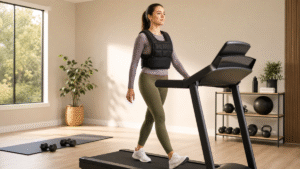
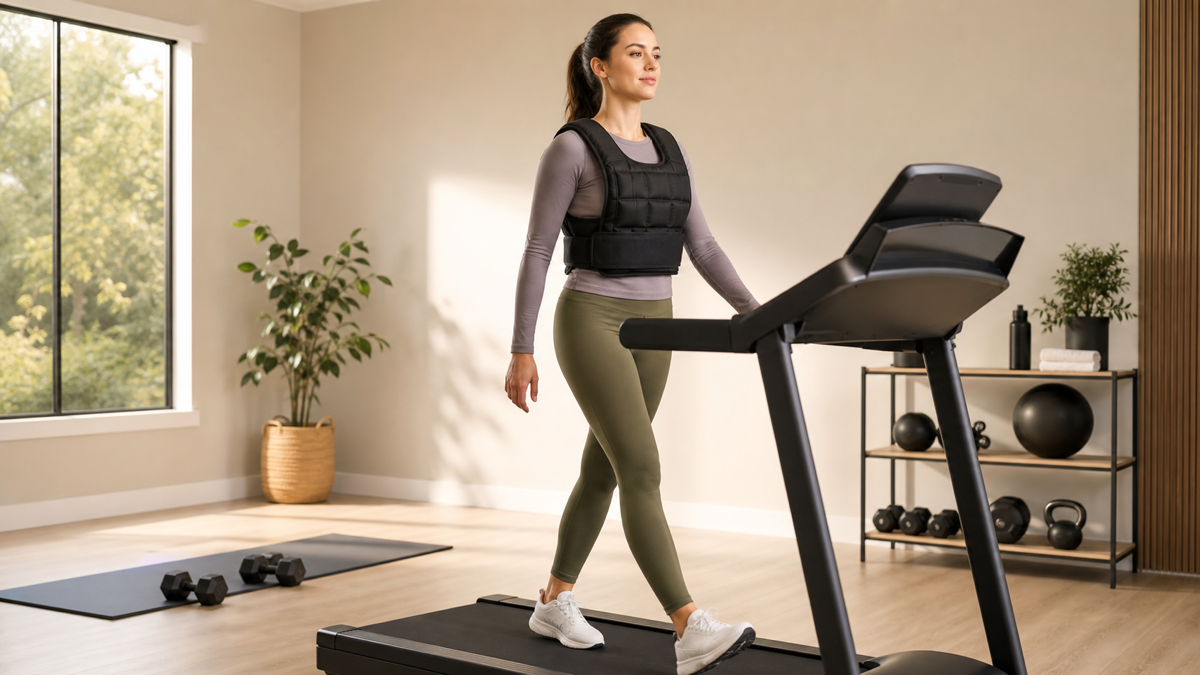
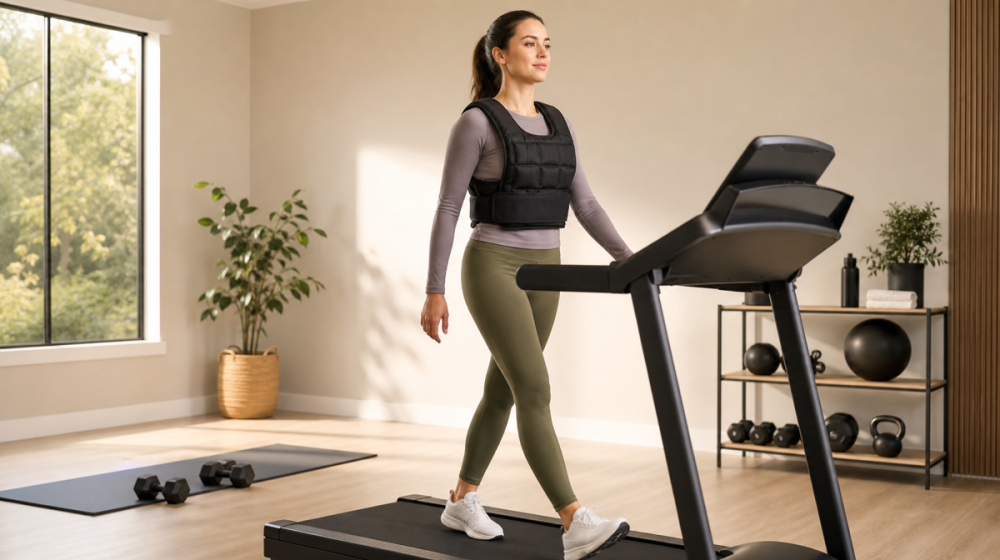
A weighted vest for running is not the best first use for most beginners. Walking, treadmill walking, step-ups, and bodyweight strength work are usually safer ways to learn how a vest fits before adding the impact of running. If you do run with a vest, choose a light, snug, low-bounce option and keep the first sessions short.
Weighted vest for running: quick verdict
| Runner type | Recommendation |
|---|---|
| Beginner walker | Do not run yet; walk first. |
| Recreational runner new to vests | Start with short walk-run intervals and a very light vest. |
| Joint pain or gait changes | Skip running with load. |
| Advanced conditioning | Use sparingly, with clear recovery. |
6 safety rules
- Walk in the vest before you run in it.
- Start with the lightest practical load, not the heaviest available option.
- Keep the first running session short enough that your stride stays normal.
- Use flat ground before hills, speed work, or trails.
- Stop if knees, hips, feet, back, or breathing feel abnormal.
- Do not turn every run into loaded conditioning.
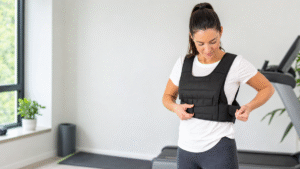
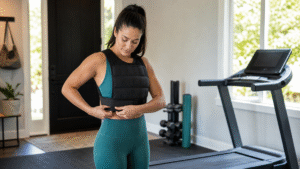
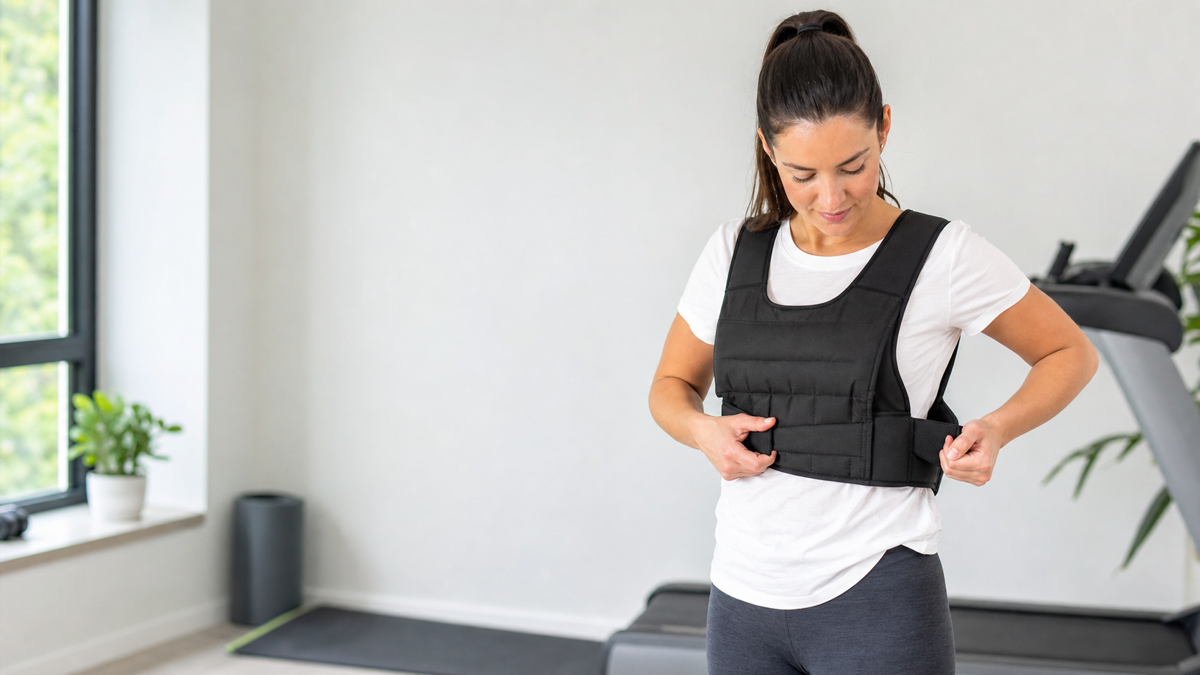
The safest weighted vest for running is the one that does not bounce, twist, or make you brace your shoulders. If it moves around during a brisk walk, it is not ready for running.
Before using a weighted vest for running, test the vest on a normal walk, then a brisk walk, then very short jog intervals. This keeps the progression measurable and makes it easier to notice if the vest changes your stride.
A light vest can still make running feel surprisingly demanding. Keep the first loaded run boring on purpose: flat route, easy pace, short duration, and no sprint finish.
What to look for
Running exposes every fit problem. A good running vest should be snug, close to the torso, low bounce, reflective if outdoors, and light enough that your stride stays normal. If the vest shifts while walking, it is not ready for running.
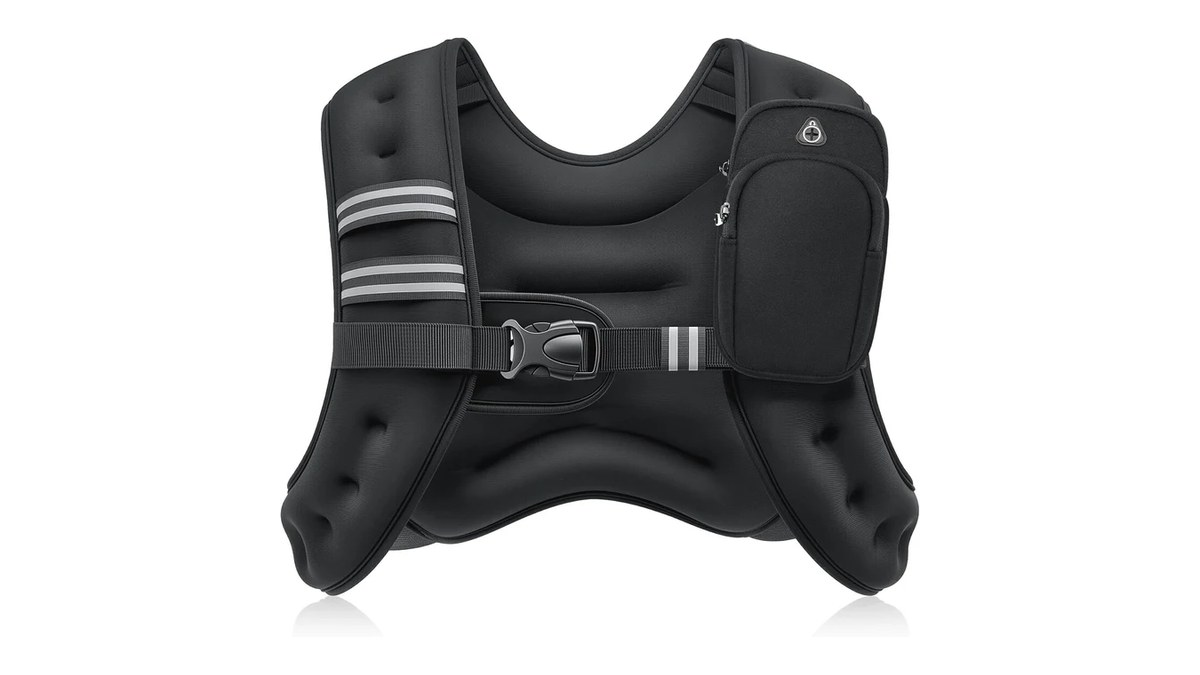
The Z-Fit Slim Weighted Vest is the most relevant Zelus option here because the current listing starts at 5 lb and uses a low-profile design. The Classic X-Shaped Fixed Vest may also work for users who prefer that shape, but choose the lightest practical load.
Safer progression
- Wear the vest for flat walking first.
- Try short brisk walking intervals.
- Add gentle hills before running.
- If everything feels normal, try very short jog intervals.
- Stop if stride, breathing, knees, hips, feet, or back feel off.
For most people, our weighted vest treadmill workout or walking guide is the better starting point.
FAQ
Is a weighted vest good for running?
A weighted vest for running can be useful for advanced conditioning, but it is not ideal for beginners. Most users should walk first and run only after the vest feels stable.
How heavy should a running vest be?
Use the lightest load that stays stable and lets your stride remain normal. For many people, that means starting much lighter than expected.
Can running with a weighted vest hurt your knees?
Extra load can increase impact demands. If your knees, hips, feet, or back feel off, stop running with the vest and switch to walking or strength work.
Bottom line
A weighted vest can make running more demanding, but it also increases fit and impact demands. Beginners should walk first. If you run, keep the vest light, stable, and occasional rather than turning every run into loaded conditioning.