

Affiliate disclosure: This article contains affiliate links. FitProGuides may earn a commission if you buy through our links, at no extra cost to you.
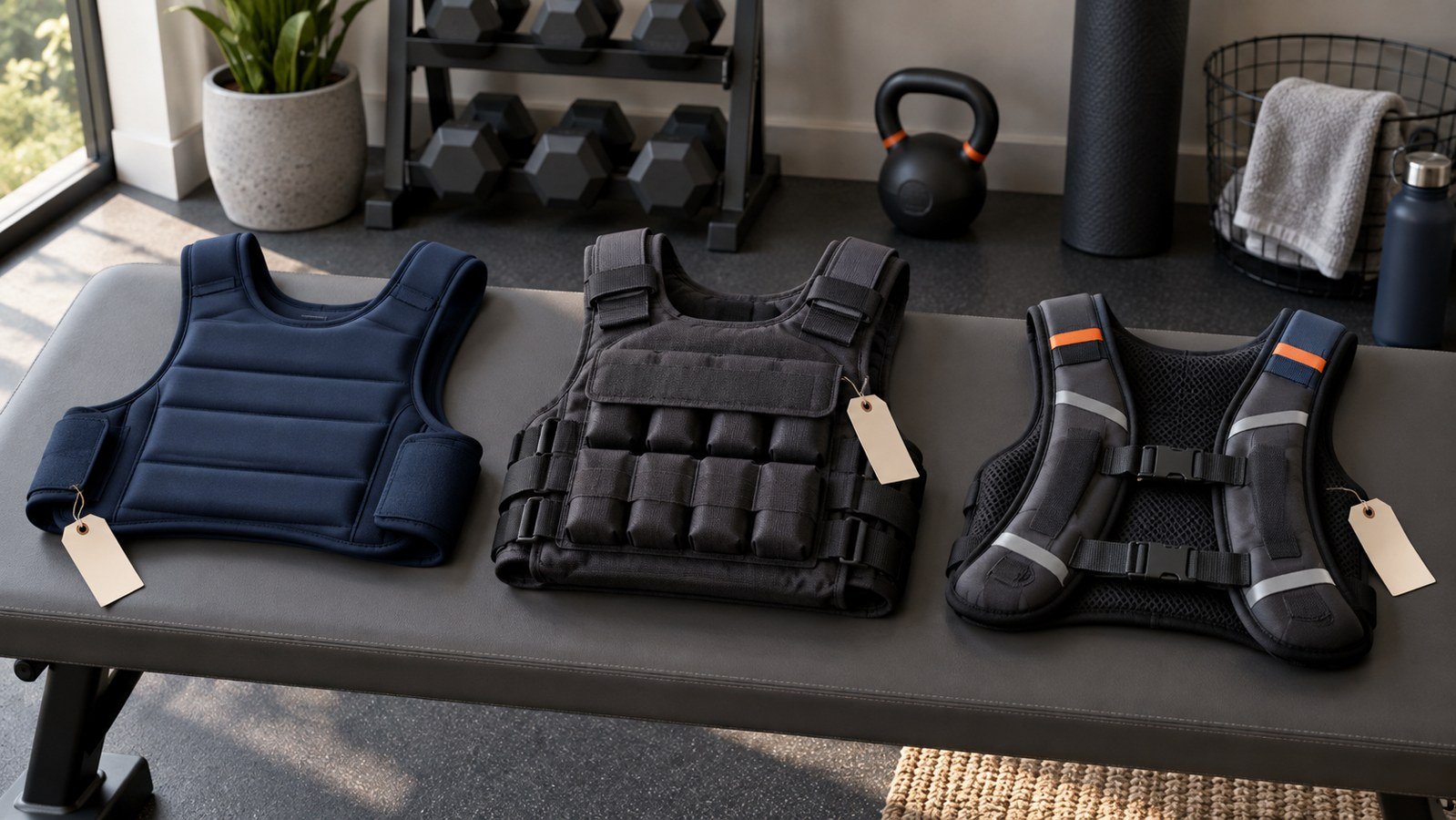
The best weighted vests for home workouts are stable enough for walking, adjustable enough for progression, and comfortable enough that you actually keep using them. For most FitProGuides readers, the best starting point is not the heaviest vest. It is the vest that stays close to your torso, does not bounce, and lets you move through squats, step-ups, push-ups, treadmill walking, and short conditioning blocks with clean form. This best weighted vests guide focuses on practical home use instead of max-load ego lifting.
Last checked: July 23, 2026. Product names, variants, prices, and availability were checked against current Zelus product data. Prices and stock can change, so use the product buttons below for the live price before buying.
Quick links: best Zelus weighted vests
- Best overall home-workout vest: Classic X-Shaped Weighted Vest — fixed-weight, unisex fit, 6–30 lb variants. Check price at Zelus
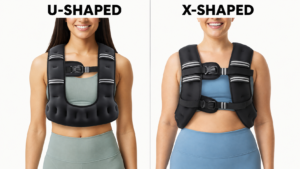
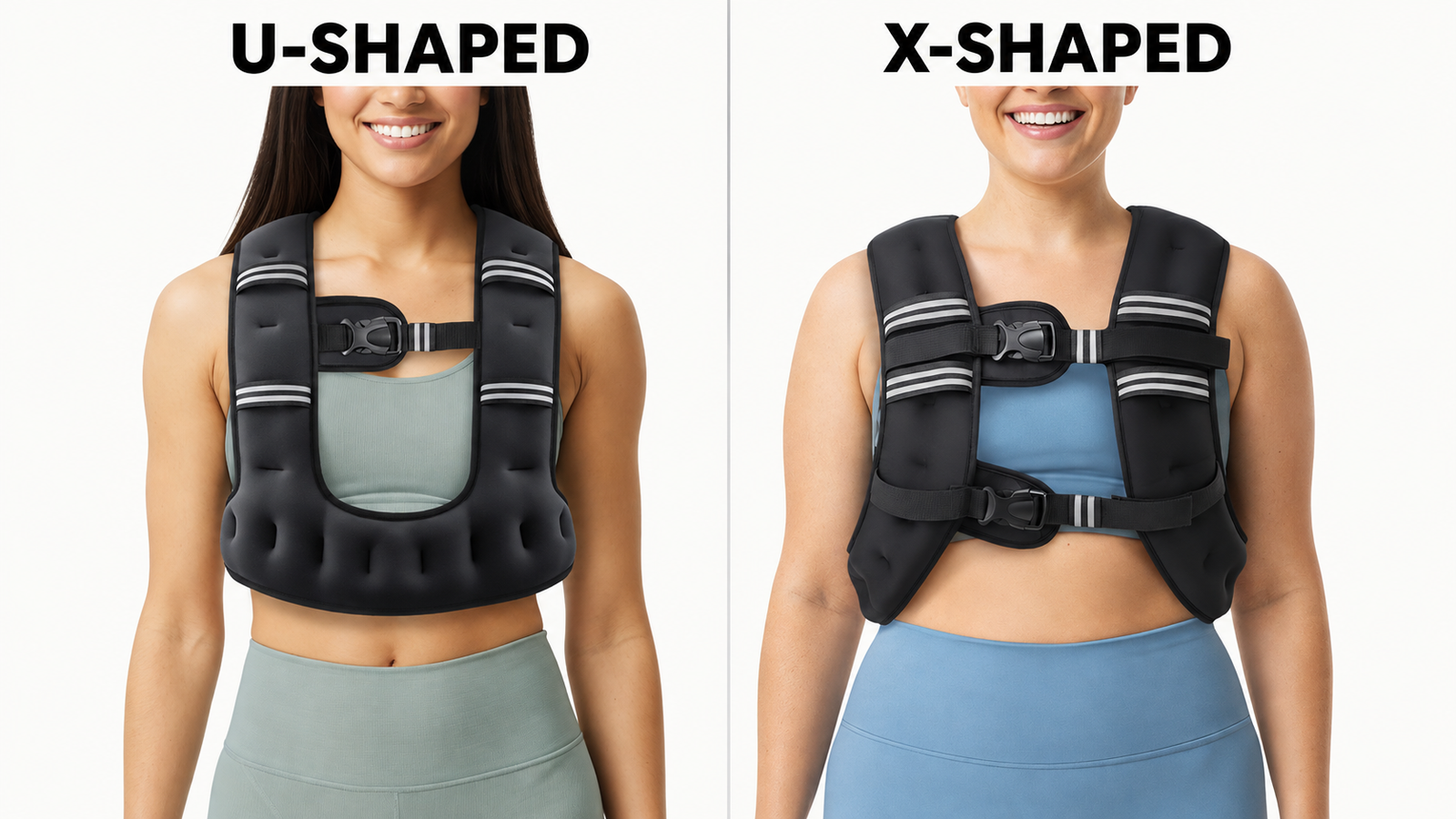
- Best for women and chest comfort: Classic U-Shaped Weighted Vest — fixed-weight, women’s-fit tag, 6–20 lb variants. Check price at Zelus
- Best adjustable beginner vest: Classic Y-Shaped Weighted Vest — adjustable ranges from 4–10 lb to 20–32 lb. Check price at Zelus
- Best slim premium fit: Z-Fit™ Slim Weighted Vest — low-profile 5, 10, and 15 lb options. Check price at Zelus
- Best heavy-duty adjustable vest: Performance Y-Shaped Weighted Vest — 20–32 lb range for stronger users. Check price at Zelus
Best weighted vests for home workouts: quick comparison
| Pick | Best for | Weight options checked | Price range checked | Main tradeoff |
|---|---|---|---|---|
| Classic X-Shaped Fixed Weight | Best overall home workouts | 6, 8, 12, 16, 20, 25, 30 lb | $42.99–$109.99 | Fixed weight means you must choose the right load upfront |
| Classic U-Shaped Fixed Weight | Women, walking, chest comfort | 6, 8, 12, 16, 20 lb | $39.99–$72.99 | Less room to progress than an adjustable vest |
| Classic Y-Shaped Adjustable Weight | Beginners who want one vest to grow with | 4–10, 11–20, 20–32 lb | $39.99–$92.99 | Bulkier than a slim fixed-weight vest |
| Z-Fit™ Slim Weighted Vest | Low-profile walking and mixed workouts | 5, 10, 15 lb | $47.99–$89.99 | Maxes out lighter than heavy-duty options |
| Performance Y-Shaped Adjustable Weight | Heavy strength circuits and advanced users | 20–32 lb adjustable | $119.99 | Too much starting load for many beginners |
How we chose these weighted vests
This is an editorial product guide, not a lab test. We ranked the vests by how well their current specifications match common home-gym use cases: walking, treadmill sessions, lower-body strength, push-ups, step-ups, and short conditioning circuits. We checked current Zelus product data for product title, variant availability, weight options, listed price range, and product positioning tags such as walking, strength training, women’s fit, and unisex fit.
We also considered the rest of the FitProGuides weighted-vest cluster. If you are unsure how much weight to start with, read How Heavy Should a Weighted Vest Be?. If your main goal is walking, start with the weighted vest walking guide. If you want exercises, pair this page with our beginner weighted vest exercises.
Best overall: Classic X-Shaped Weighted Vest
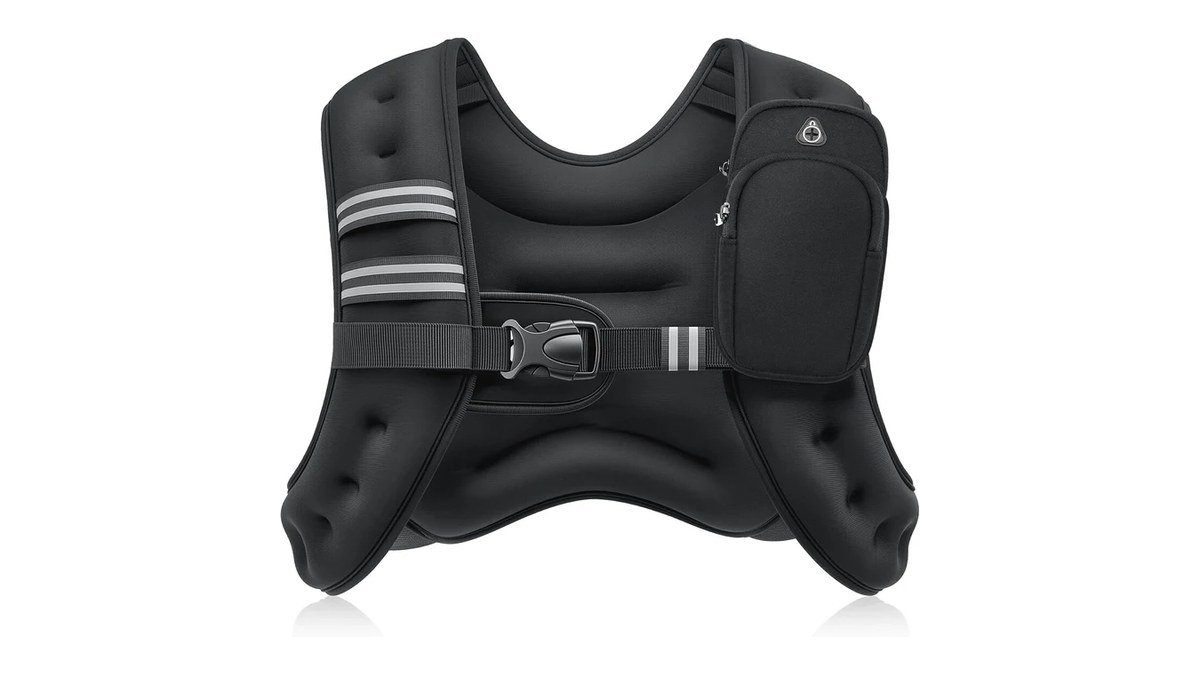
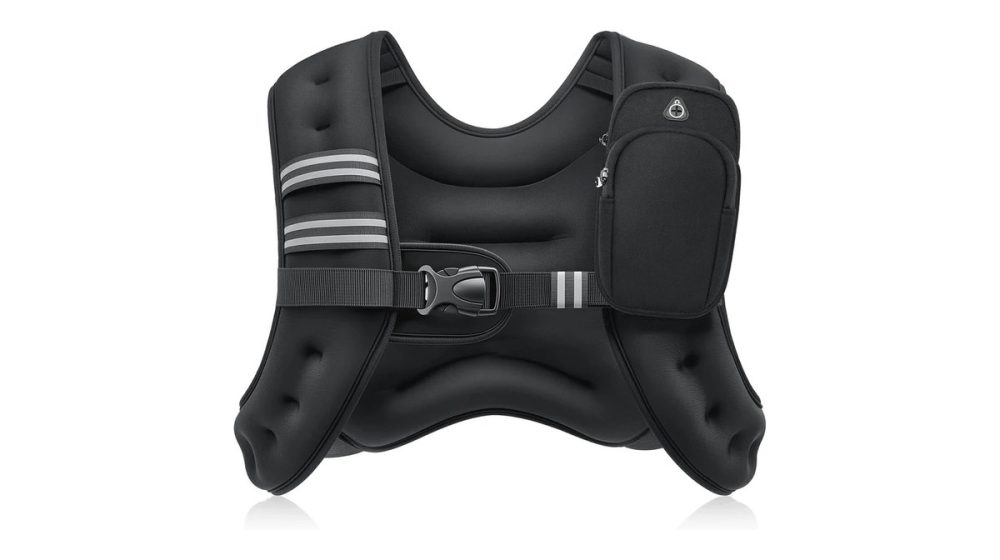
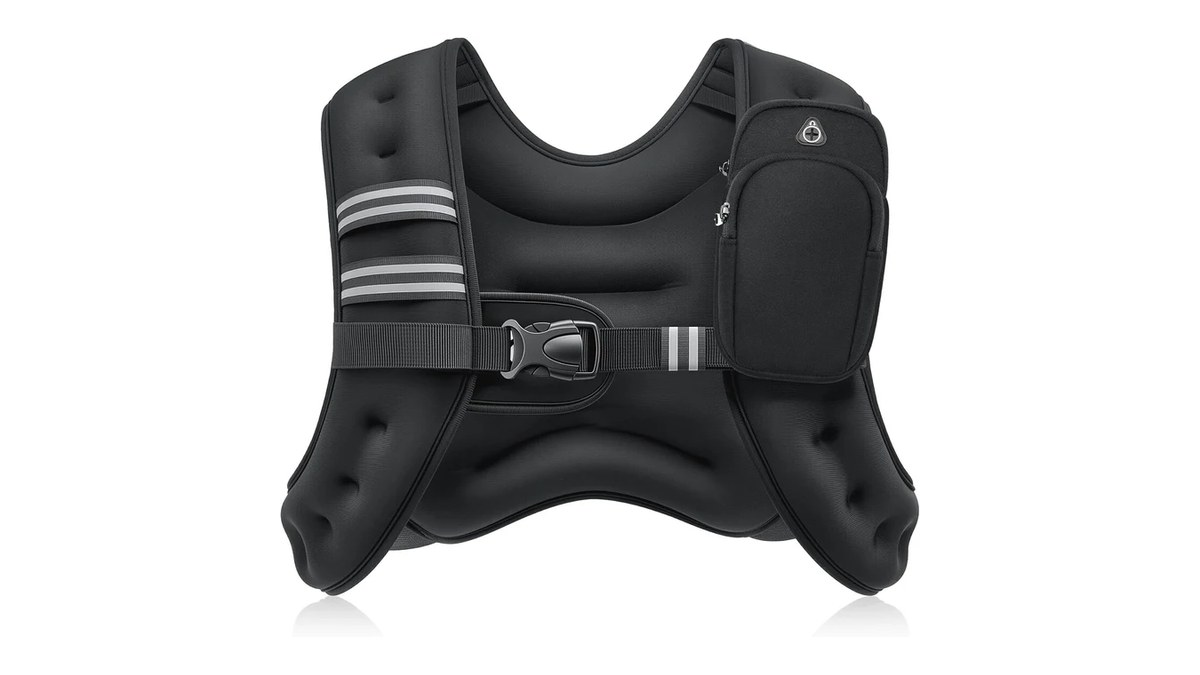
The Classic X-Shaped Weighted Vest is the best overall pick for home workouts because it covers the widest fixed-weight range in this lineup. Zelus currently lists 6, 8, 12, 16, 20, 25, and 30 lb variants, with multiple color options on many weights. That makes it easier to choose a vest that matches your current ability instead of jumping straight into a load that changes your form.
Best for: general home workouts, squats, step-ups, push-ups, short circuits, and buyers who already know what load they want.
Why it wins: it has the broadest fixed-weight ladder among the five picks, it is tagged as unisex, and it is positioned for hiking, running, strength training, and general training. For a simple home-gym setup, that versatility matters.
What to watch: because it is fixed weight, you cannot gradually remove or add small amounts of load during a session. If you are between two weights, choose the lighter one. A vest that feels slightly easy is usually more useful than one that makes every exercise stiff.
View the Classic X-Shaped Vest at Zelus
Best for women and walking comfort: Classic U-Shaped Weighted Vest
The Classic U-Shaped Weighted Vest is the best pick here for women and chest comfort. Zelus tags this model with “Women’s fit,” and the current product data lists 6, 8, 12, 16, and 20 lb options across black, blue, and pink variants.
Best for: walking, treadmill walking, beginner lower-body workouts, and users who dislike pressure across the upper chest.
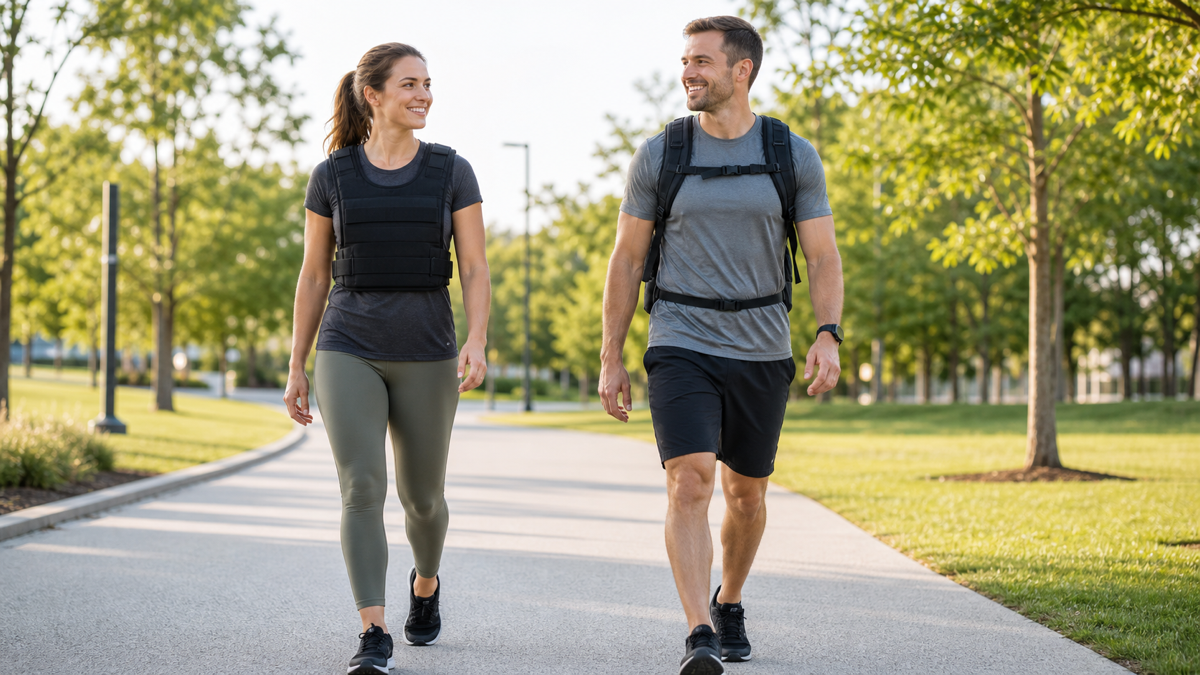
Why it stands out: the U-shaped design is more walking-friendly for many users than a high-front vest. If your primary training is low impact, this is often the more comfortable pick than a heavier strength-first vest. It also pairs naturally with our beginner weighted vest treadmill workout.
What to watch: like the Classic X-Shaped model, this is still a fixed-weight vest. If you are new to loaded walking, the lighter 6 or 8 lb options are easier to build around than jumping into 16 or 20 lb.
View the Classic U-Shaped Vest at Zelus
Best adjustable beginner vest: Classic Y-Shaped Weighted Vest
The Classic Y-Shaped Weighted Vest is the best adjustable beginner pick because Zelus currently lists three ranges: 4–10 lb, 11–20 lb, and 20–32 lb. The 4–10 lb version is especially useful if you want to start light, repeat the same workout for a few weeks, and then add load only when your form stays clean.
Best for: beginners, shared home gyms, progressive overload, and users who want one vest for several training phases.
Why it stands out: adjustable load is the easiest way to avoid buying too much vest too soon. If your goal is to build from walking to squats, step-ups, lunges, and push-ups, the ability to change the load is more valuable than chasing the heaviest possible vest.
What to watch: adjustable vests are usually bulkier than slim fixed-weight options. If your priority is a low-profile fit for walking only, the U-Shaped or Z-Fit Slim models may feel cleaner.
View the Classic Y-Shaped Vest at Zelus
Best slim premium fit: Z-Fit™ Slim Weighted Vest
The Z-Fit™ Slim Weighted Vest is the best slim fit in this group. Zelus currently lists 5, 10, and 15 lb versions in multiple colors, and the product is tagged for walking, strength training, hiking, running, and general training.
Best for: walking, mixed home workouts, smaller spaces, and users who want less bulk around the torso.
Why it stands out: many people quit weighted vest training because the vest feels awkward. A slimmer vest can make short daily sessions easier to stick with, especially if your workouts include treadmill walking, step-ups, and bodyweight movements where bounce is annoying.
What to watch: the Z-Fit Slim tops out at 15 lb in the current listing, so it is not the best long-term pick for heavy strength circuits. It is a comfort-first pick, not the max-load pick.
View the Z-Fit Slim Vest at Zelus
Best heavy-duty adjustable vest: Performance Y-Shaped Weighted Vest
The Performance Y-Shaped Weighted Vest is the heavy-duty pick. Zelus currently lists this model as an adjustable 20–32 lb vest with black and khaki variants. It is the right direction if you already handle loaded bodyweight workouts well and want more resistance for strength circuits.
Best for: stronger users, heavy step-ups, weighted push-ups, advanced circuits, and people who already know they need more than 20 lb.
Why it stands out: the 20–32 lb range gives stronger users a more serious training stimulus without buying a fixed 30 lb vest. That said, this should not be the default first vest for most beginners.
What to watch: if you are new to weighted vest training, start with the beginner weight guide before considering this model. Too much load can make basic movements feel clumsy and reduce the number of workouts you actually complete.
View the Performance Y-Shaped Vest at Zelus
How to choose the right weighted vest
Choose by training style first, then weight. The best weighted vests for walking are not always the same as the best weighted vests for heavy strength circuits. A walking vest should feel stable, breathable, and easy to wear for 20–40 minutes. A strength vest can be heavier and more structured, but it still should not shift when you squat, hinge, or step up. A shared home-gym vest should be adjustable because different users rarely need the same starting load.
| If your main goal is… | Start with this style | Why |
|---|---|---|
| Walking or treadmill walking | U-shaped or slim fixed-weight vest | Less chest pressure and less bounce usually matter more than max load |
| Beginner home workouts | Light adjustable vest | You can progress without replacing the vest immediately |
| Push-ups, step-ups, squats | Stable X-shaped or Y-shaped vest | The vest needs to stay centered as your torso angle changes |
| Advanced conditioning | Heavier adjustable vest | More load can be useful once form and recovery are already solid |
What weight should beginners buy?
Most beginners should start lighter than they think. A light vest you use three times per week is better than a heavy vest that lives in the corner. For walking, 5–10 lb is often enough to notice the difference. For strength circuits, choose a weight that lets you keep full range of motion and normal breathing.
If you want a simple progression rule, use this: increase time first, then reps or sets, then load. Do not increase vest weight and workout difficulty in the same week. If you are comparing a vest with a pack, the weighted vest vs rucking backpack guide can help you choose the right tool before buying.
Common buying mistakes
- Buying too heavy: a vest that ruins posture is not a better value.
- Ignoring fit: bounce, shoulder pressure, and chest compression are the main reasons people stop using weighted vests.
- Choosing fixed weight without a plan: fixed vests are simple, but adjustable vests are better if you are unsure.
- Using one vest for every goal: walking, strength training, and heavy conditioning do not always need the same design.
- Treating the vest as a shortcut: a weighted vest adds load; it does not replace consistent training, recovery, and safe progression.
Final recommendation
If you want one simple recommendation, start with the Classic X-Shaped Weighted Vest if you know your target load and want an all-around home-workout vest. Choose the Classic U-Shaped Weighted Vest if walking comfort and chest fit matter most. Choose the Classic Y-Shaped Weighted Vest if you want the safest path for progression.
For most beginners, the adjustable Y-Shaped 4–10 lb range is the most forgiving first buy. For walkers, the U-Shaped or Z-Fit Slim models are easier to live with. For stronger users who already train with load, the Performance Y-Shaped vest gives more room to push heavy home workouts.
Working with a fixed budget? Our best weighted vests under $100 guide compares exact current variants by included load, adjustability and checked item price.