Affiliate disclosure: this article contains affiliate links. FitProGuides may earn a commission if you buy through our links, at no extra cost to you.
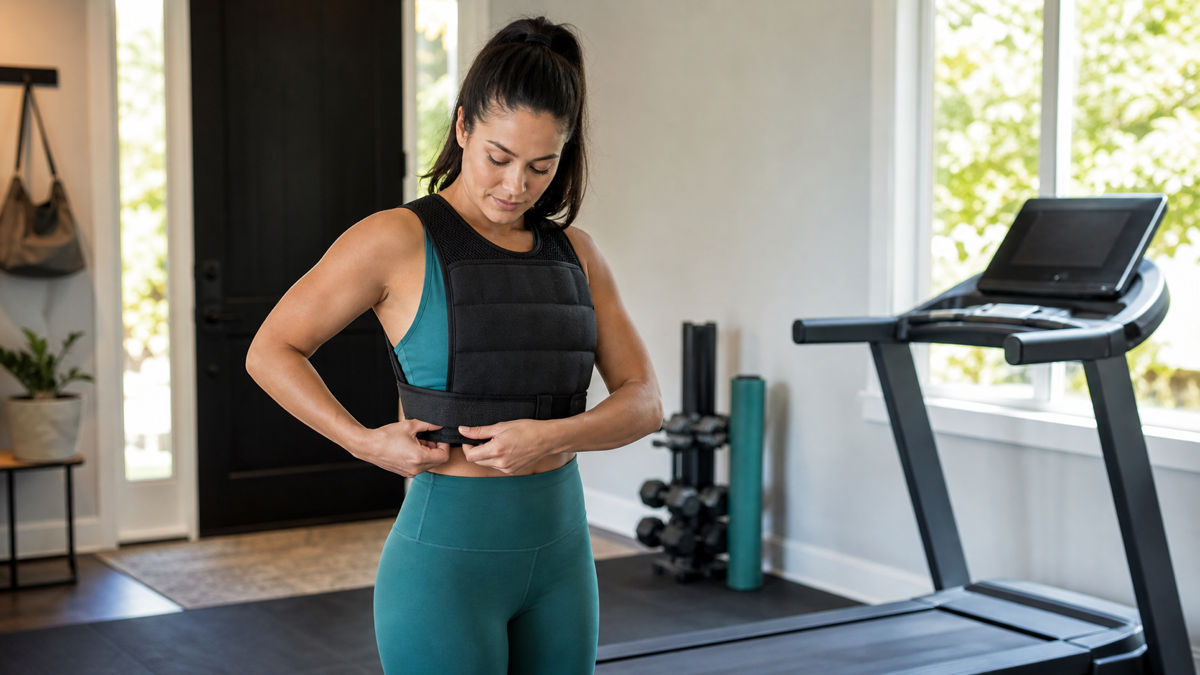
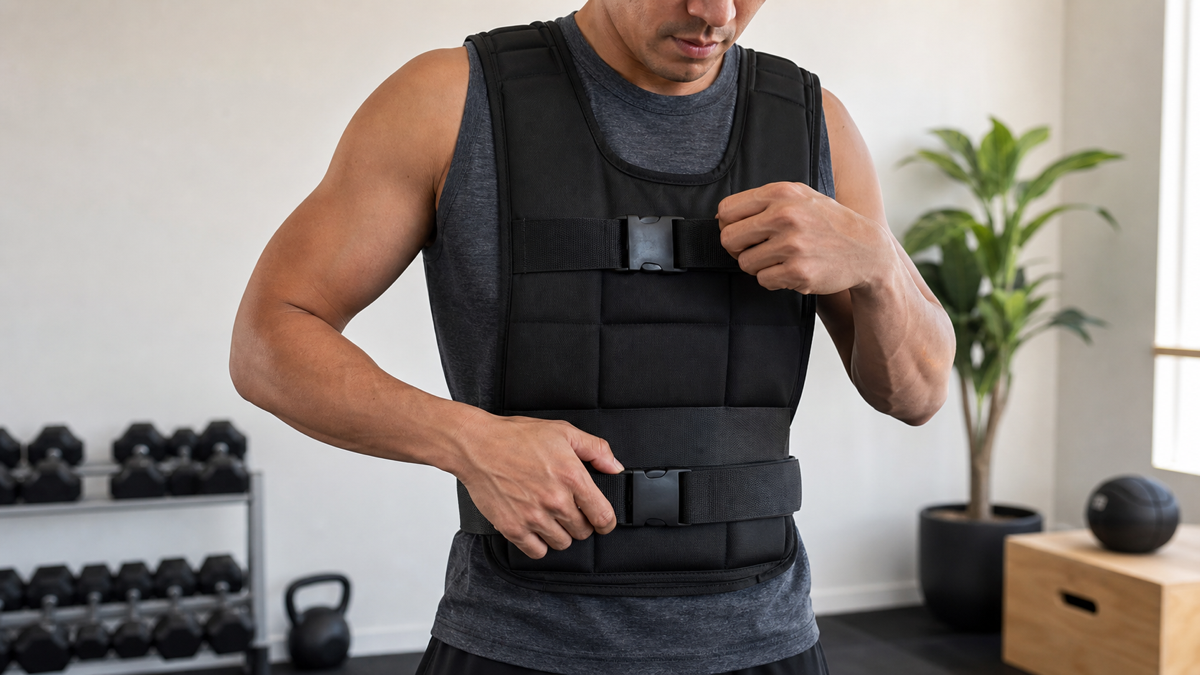
Soft iron vs sand weighted vest is mostly a comfort and profile decision. Soft-iron designs can feel flatter and more flexible, which helps for walking and low-profile wear. Sand or iron-sand bag designs are common in adjustable vests because removable packets make it easier to change load over time.
Soft iron vs sand weighted vest: quick comparison
| Material style | Best for | Tradeoff |
|---|---|---|
| Soft iron / low-profile fill | Walking, comfort, slim fit | Often less adjustable or lower max load |
| Iron-sand removable bags | Progression and adjustable ranges | Can feel bulkier |
| Fixed dense fill | Simple walking or circuits | You must choose the right load upfront |
5 easy comfort differences
- Profile: soft iron is usually flatter, while sand or iron-sand packets can feel chunkier.
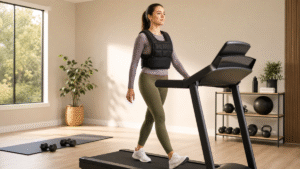
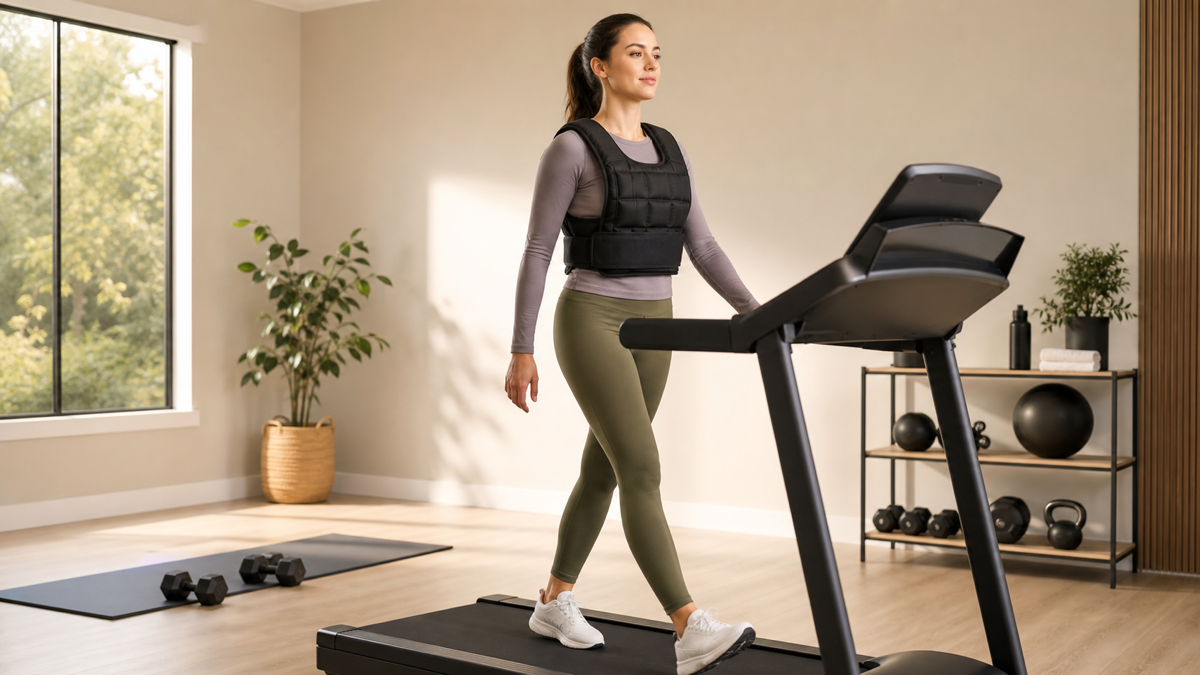
- Movement: a flatter vest may feel smoother during walking and treadmill sessions.
- Adjustability: removable sand-style packets make progression easier.
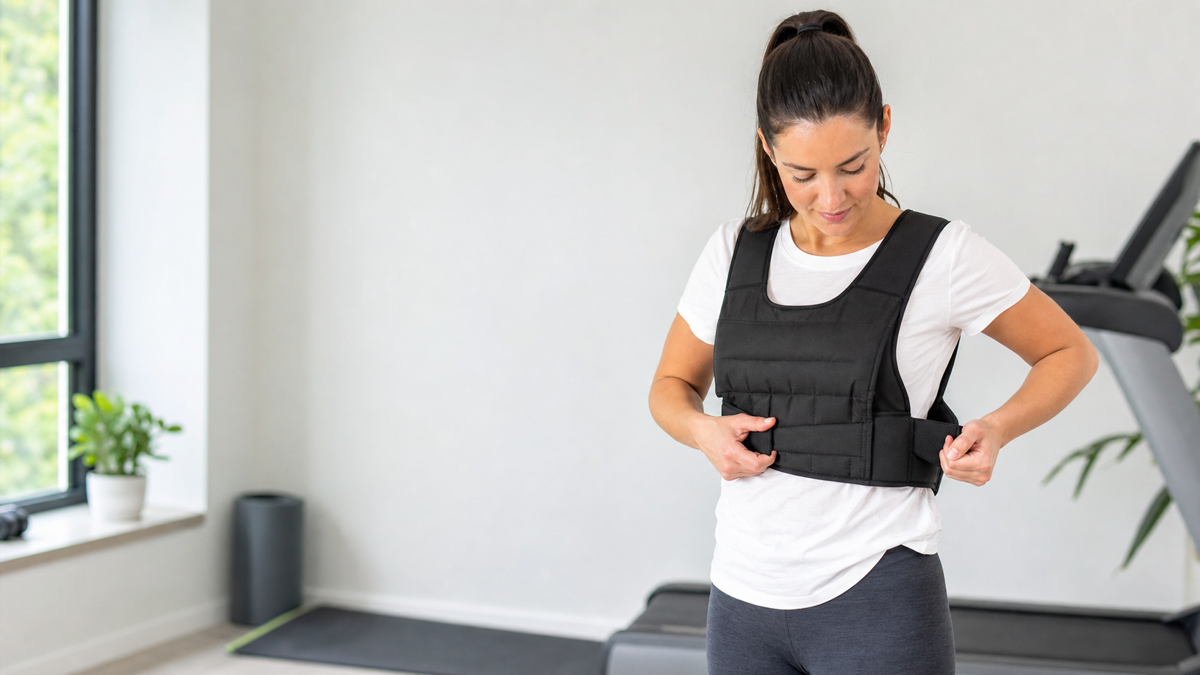
- Noise and shifting: adjustable packets must sit securely so the vest does not shift.
- Long-term use: comfort-first users may prefer soft iron; shared home gyms may prefer adjustable bags.
The best choice is not about which fill sounds more advanced. It is about whether you need low-profile comfort or the ability to change load over months.
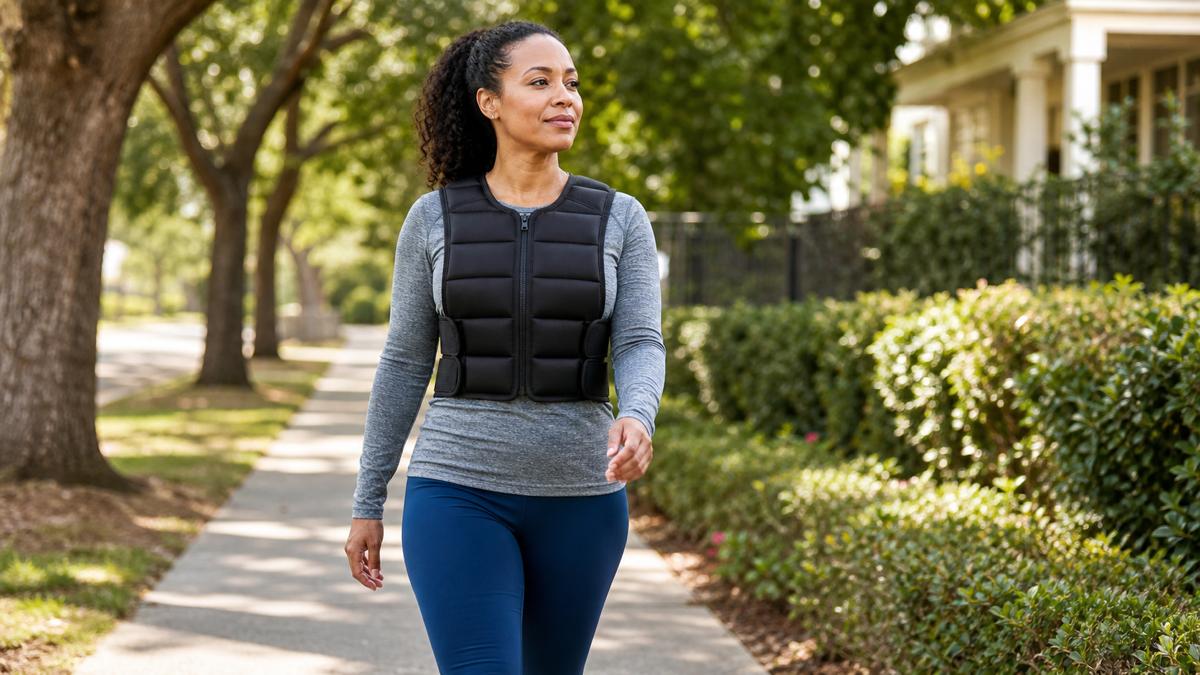
If you are comparing soft iron vs sand weighted vest designs for walking, start with comfort. If you are comparing soft iron vs sand weighted vest designs for strength circuits, start with adjustability and how securely the removable weight packets sit.
Best soft-iron style pick
The Z-Fit Slim Weighted Vest is the main soft-iron style option in the current evidence set. Zelus currently lists 5, 10, and 15 lb options, which makes it a comfort-first vest for walking and mixed home workouts.
Best adjustable sand-bag style pick
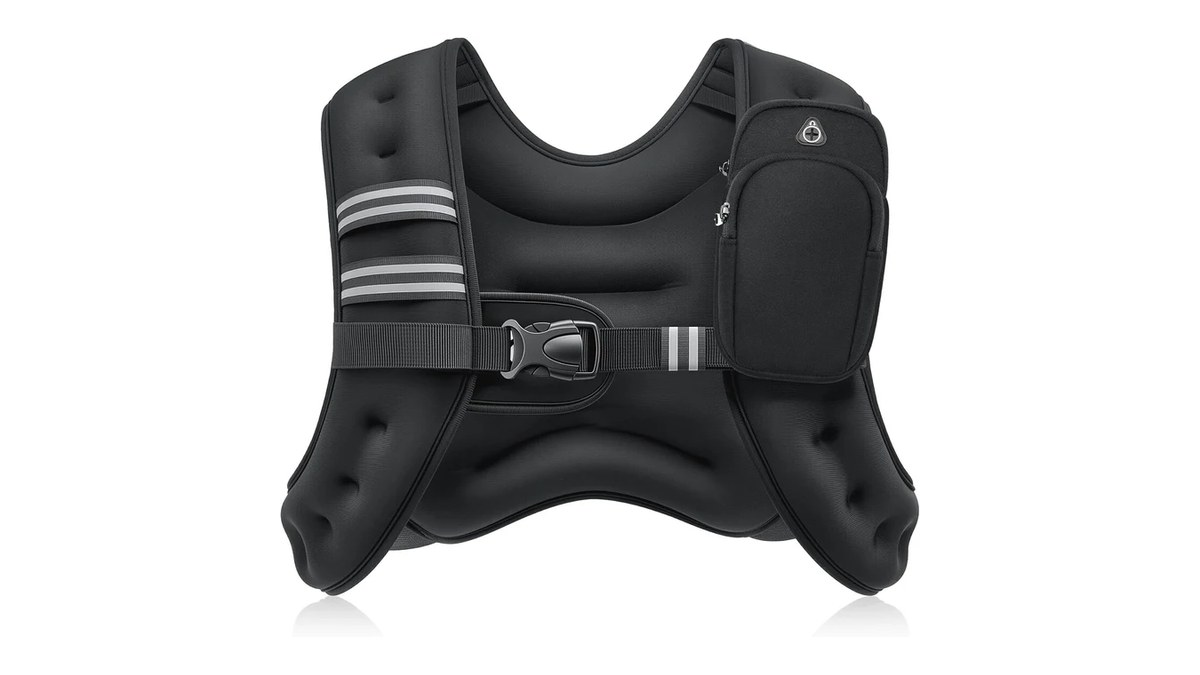
The Classic Y-Shaped Adjustable Vest is the better choice if you care about adding or removing load. Removable fill bags make it easier to progress from beginner walking to squats, step-ups, and circuits.
Which should you buy?
Choose soft iron if your main problem is bulk. Choose adjustable sand-bag style if your main problem is progression. For petite frames and walking comfort, soft iron or U-shaped fixed designs are easier to start with. For strength training and shared home gyms, adjustable usually wins.
For more buying context, read our adjustable vs fixed weighted vest guide and our best weighted vest for walking guide.
Care and durability notes
Both fill styles need basic care. Keep the vest dry before storage, check seams around weight pockets, and do not ignore shifting packets. A slim soft-iron vest may be easier to wipe down, while a removable sand-style vest may require more attention when reinstalling weights evenly.
For buyers who sweat heavily during walking workouts, the easier choice is usually the vest you will clean consistently. Comfort, care, and progression all matter more than the fill material name by itself.
FAQ
Is soft iron better than sand in a weighted vest?
Soft iron can be better if you want a flatter, lower-profile vest. Sand or iron-sand packets are better when you want adjustable load.
Does a sand weighted vest feel bulky?
It can feel bulkier than a slim soft-iron vest, especially if the weight packets are thick or not secured evenly.
Which fill is better for walking?
For walking, soft iron often feels smoother because the vest can sit closer to the torso. For progression, an adjustable sand-style vest may be more practical.
Bottom line
Soft iron feels better when low profile matters. Sand or iron-sand removable loading is better when adjustability matters. The right choice depends on whether comfort or progression is the bigger reason you are buying.