This guide is for general fitness education. If you have chest pain, dizziness, balance concerns, joint pain, back pain, pregnancy-related restrictions, osteoporosis, recent surgery, or a medical condition that affects exercise, ask a qualified professional before adding load.
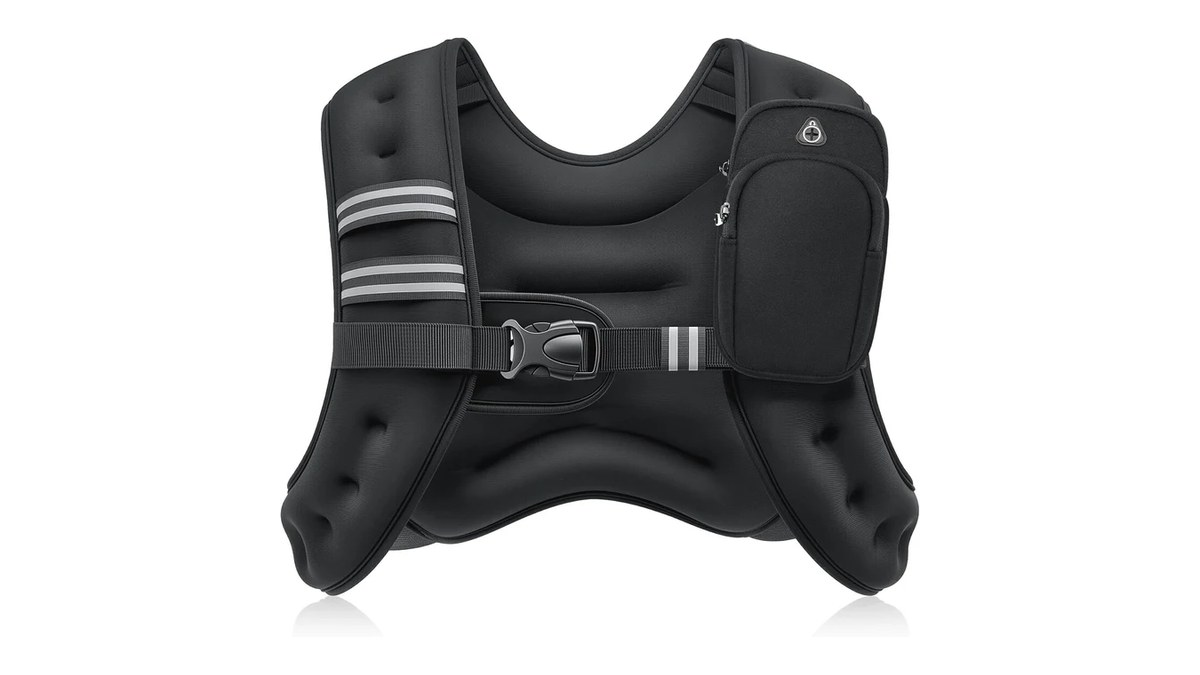
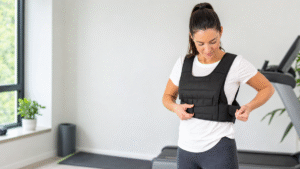
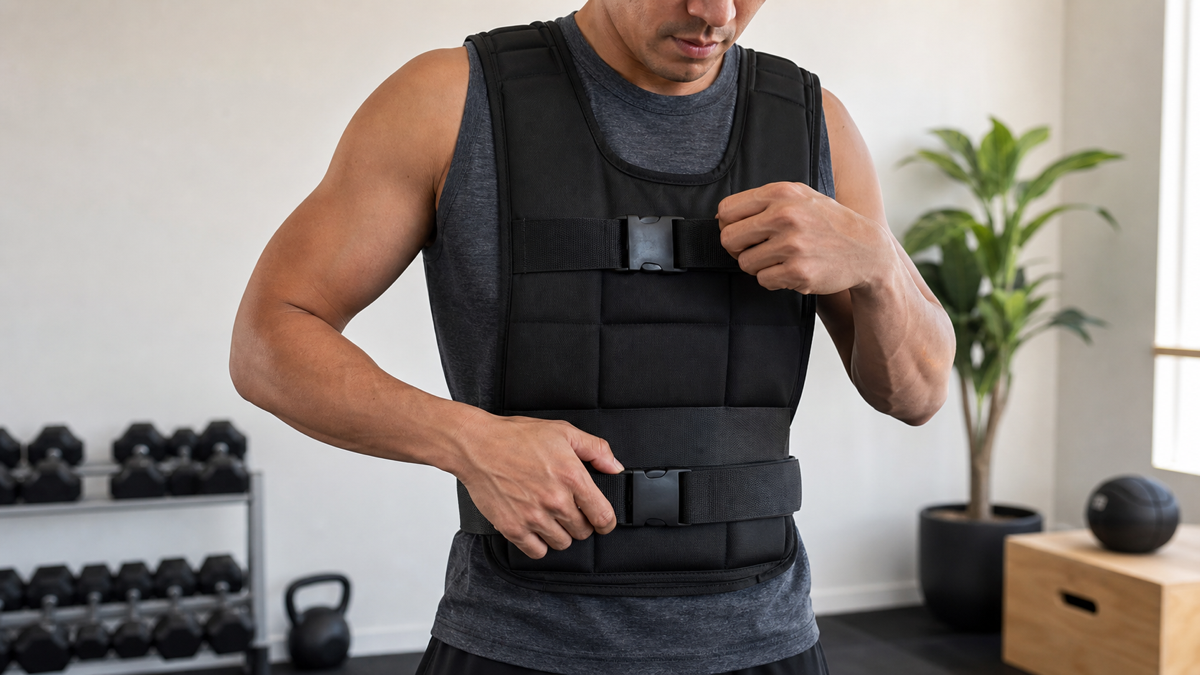
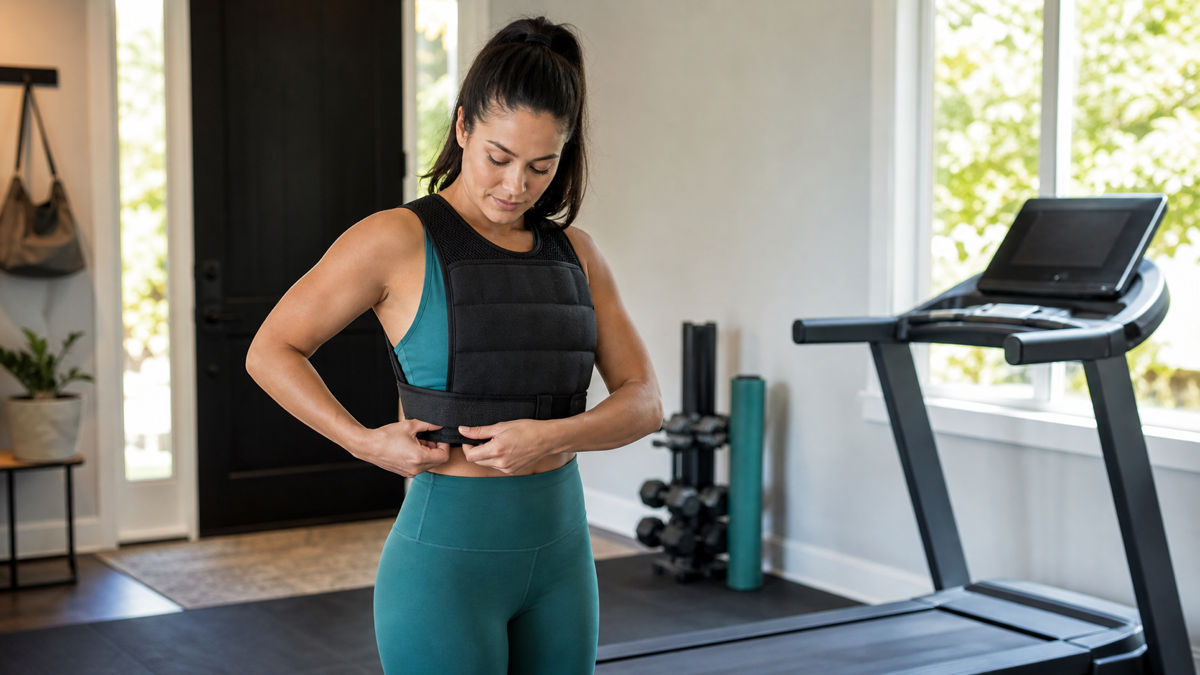
How should a weighted vest fit? A weighted vest should sit close to your torso, stay centered from left to right, and feel snug enough that it does not bounce when you walk, squat, or step up. It should not restrict your breathing, dig into your neck, pinch your ribs, or force you to change posture. Think “secure backpack without the sway,” not “compression armor.”
If you are still choosing a vest, start with our best weighted vests guide. If you already own one and it feels awkward, this guide will help you troubleshoot bounce, shoulder pressure, chafing, heat, and sizing before you blame the workout.
How should a weighted vest fit? Quick checklist
Use this quick check before your first loaded walk or home workout. It takes less than a minute and answers “how should a weighted vest fit” in practical, body-level terms.
| Fit check | What you want | Warning sign |
|---|---|---|
| Torso position | Vest sits high enough to move with your trunk | Vest hangs low and slaps your stomach or hips |
| Breathing | You can take a full breath without strain | Chest strap feels like it limits rib expansion |
| Bounce | Vest moves with you, not after you | Front panel jumps on every step |
| Shoulders | Pressure feels even across both sides | One strap digs in or the vest tilts |
| Skin contact | No rubbing at neck, armpits, chest, or waist | Hot spots appear within the first few minutes |
If your vest uses removable plates or sandbags, repeat the test after changing the load.
The 3-minute fit test before any workout
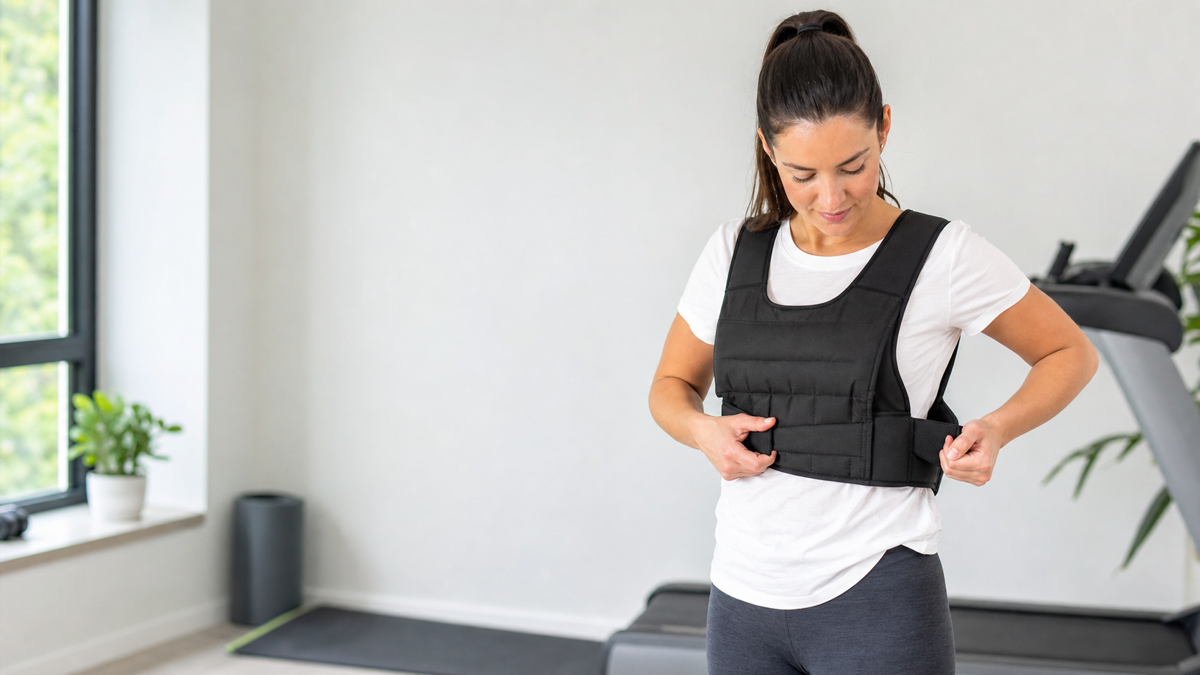
Before you start a weighted vest walk, treadmill session, or bodyweight circuit, put the vest on and move through this simple sequence.
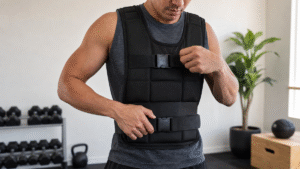
- Thirty seconds of breathing: stand tall, relax your shoulders, and take three slow breaths. If the chest strap makes you breathe shallowly, loosen it one notch or reduce the load.
- Thirty seconds of arm motion: swing your arms like you are walking. The vest should not rub hard under the arms or pull your shoulders forward.
- One minute of walking: walk at an easy pace. Listen for slapping, bouncing, or buckle noise. A small amount of fabric movement is normal; a separate “thud” on every step is not.
- One minute of squats or step-ups: do slow reps. If the vest rides into your throat, hits your thighs, or shifts side to side, adjust before adding intensity.
If this test feels messy, do not try to solve it by pushing harder. Fit problems usually get louder under fatigue.
How tight should a weighted vest be?
A weighted vest should be tight enough that you can slide one or two fingers under the main straps, but not so tight that you cannot breathe into your ribs. If you keep asking “how should a weighted vest fit” during a workout, the best cue is movement: when you walk, the vest should feel attached to your torso. When you inhale deeply, it should give you room.
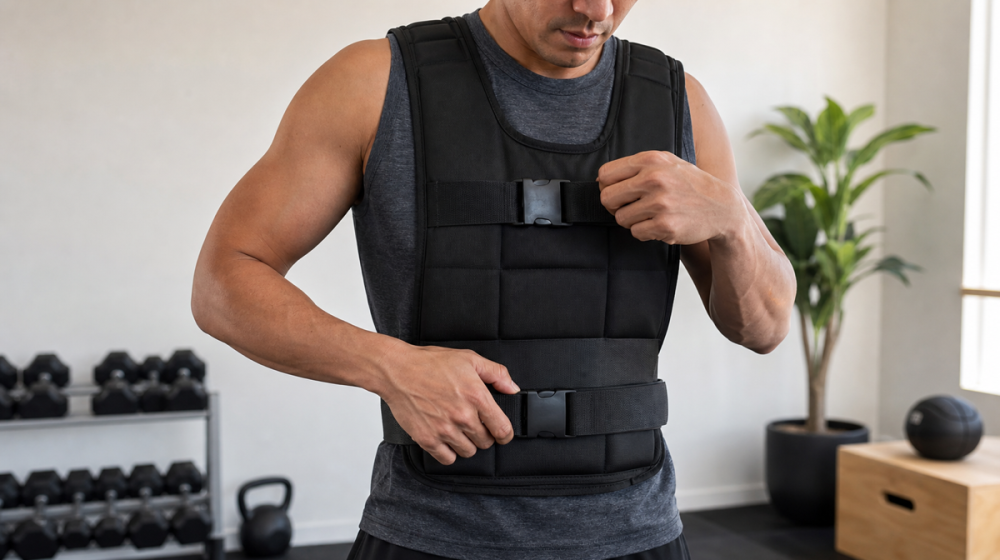
For most vests, adjust from the top down:
- Shoulders first: set the shoulder straps so the weight sits high and balanced. If the vest hangs too low, bounce usually gets worse.
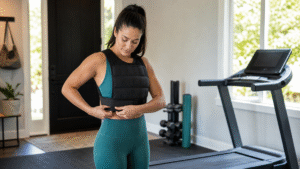
- Chest or sternum strap second: tighten just enough to stop side-to-side sway. Do not crank it until your breathing changes.
- Waist or lower strap last: use it to keep the bottom panel close to the body, especially for walking and treadmill work.
After adjusting, shake your arms out and walk again. If your posture immediately turns stiff, you probably over-tightened the vest.
How to stop a weighted vest from bouncing
Weighted vest bouncing usually comes from one of four issues: the vest is too loose, the weight sits too low, the load is too heavy for the movement, or the vest shape does not match your torso. If you are troubleshooting how should a weighted vest fit during movement, start here.
| Problem | Likely cause | Fix |
|---|---|---|
| Vest jumps up and down while walking | Loose lower strap or weight hanging too low | Tighten the waist strap, shorten shoulder straps, or remove weight |
| Vest swings side to side | Chest strap too loose or uneven weight distribution | Center the plates/sandbags and snug the chest strap |
| Vest feels fine walking but bounces on step-ups | Movement is too dynamic for the current fit | Lower the box height, reduce load, or use a tighter vest style |
| Vest bounces no matter what | Torso length or vest cut may be wrong | Try a shorter vest, more adjustable model, or different size range |
If you are using the vest mainly for walking, our weighted vest walking guide gives a full beginner setup. For treadmill sessions, pair this guide with our weighted vest treadmill workout.
How to prevent weighted vest chafing
Chafing happens when skin repeatedly rubs against fabric, straps, seams, or other skin, especially when sweat and heat are involved. With a weighted vest, the common hot spots are the neck, upper chest, armpits, ribs, lower back, and waistline.
Start with the layer under the vest. A smooth, moisture-wicking shirt is usually better than a loose cotton shirt that folds and traps sweat. Avoid thick seams under the shoulder straps. For longer walks, consider a small amount of anti-chafe balm on known hot spots before you leave the house.
Then check the vest itself. Rough edges, bulky buckles, and straps that land directly under the arms are common causes of irritation. If one area burns after five minutes, stop and adjust. Do not wait until the end of the workout to discover that your vest has been quietly sanding your collarbone.
Heat also matters. A vest adds insulation, so outdoor summer walks can feel harder than expected. On hot days, train earlier, reduce load, shorten the session, and take more water breaks. If you feel dizzy, unusually weak, confused, or chilled despite heat, end the workout and cool down safely.
Fit by activity: walking, strength, treadmill, and running
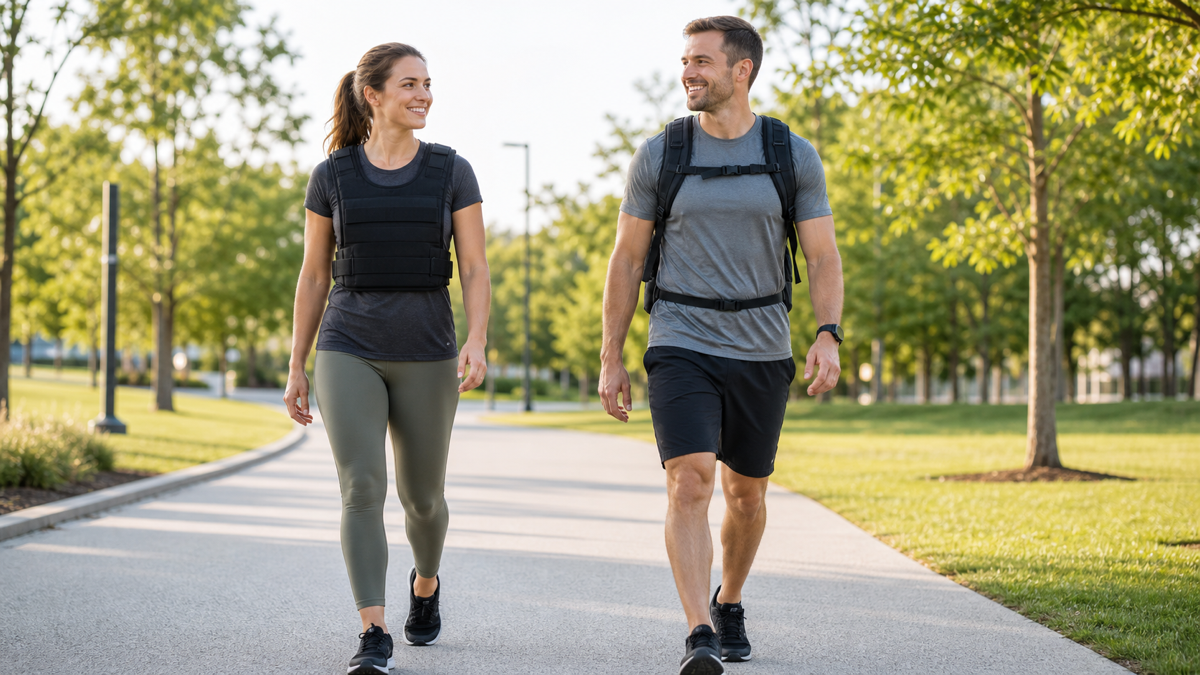
For walking: choose a secure but breathable fit. The vest should not bounce during normal arm swing. Beginners often do best starting around 5% of body weight, then progressing slowly if recovery and posture stay normal. If your main question is how should a weighted vest fit for longer walks, comfort and repeatable stride matter more than a “locked down” feel. If you are unsure about load, read our weighted vest weight guide.
For bodyweight strength: prioritize shoulder comfort and range of motion. Squats, lunges, step-ups, push-ups, and planks all expose fit issues differently. Our beginner weighted vest exercises are a good low-chaos way to test your setup.
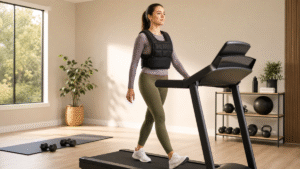
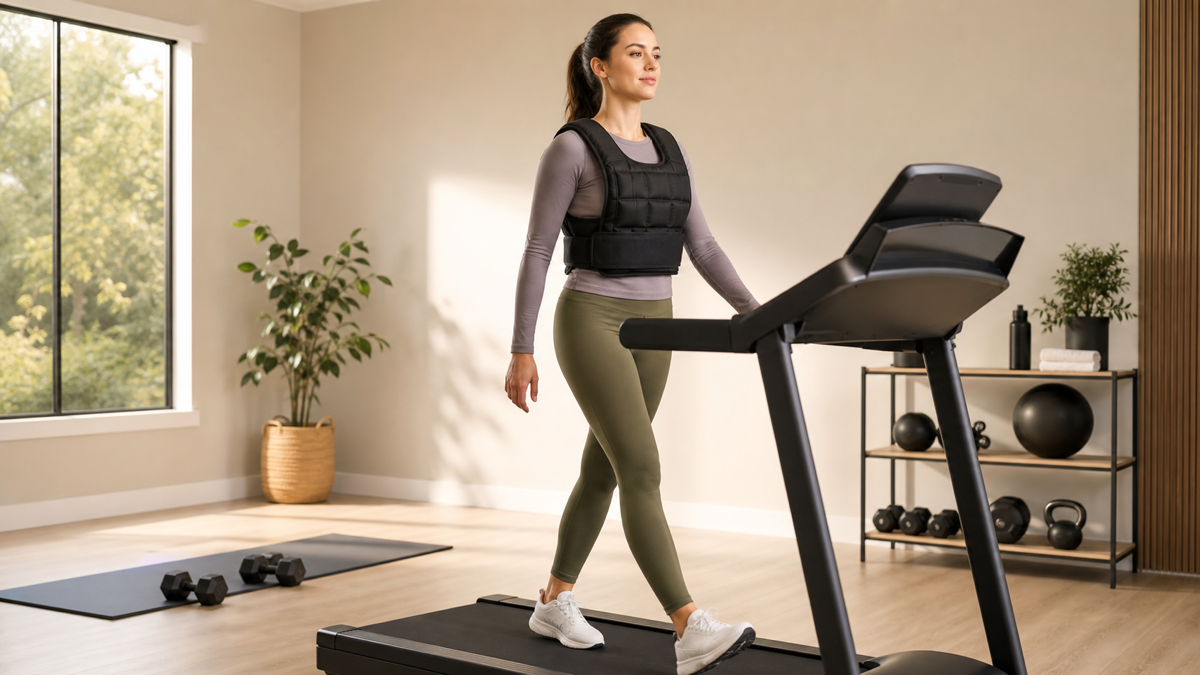
For treadmill walking: make bounce your first concern. Keep the first session light and slow enough that you never need to hold the rails.
For running: be more conservative. Running adds impact, speed, and more vertical movement. Many home users do not need weighted running at all. If you choose to run, use a very stable vest, start lighter than you think, and build a walking base first.
Fixed-weight vs adjustable vests: which fits better?
A fixed-weight vest is simple: the load is built in, the profile is often slimmer, and there are fewer parts to shift. The downside is that if the load is too heavy or the torso fit is wrong, you cannot do much besides tighten straps or choose a different vest.
An adjustable vest lets you add or remove weight. That helps beginners and shared households, but removable weights can add bulk or bounce if the pockets are loose.
For smaller frames, shorter torsos, or anyone who struggles with chest pressure, compare vest shape carefully. Our best weighted vests for women guide focuses heavily on strap placement, torso length, and comfort details that also apply to many compact builds.
Signs your vest is the wrong size or too heavy
Fit problems are not always about straps. Sometimes the vest is simply the wrong size, or the load is too aggressive for your current base.
- You cannot take a deep breath after adjusting the straps.
- Your neck, traps, or shoulders hurt before your legs feel challenged.
- The vest shifts even after all straps are secure.
- You lean forward, arch your back, or shorten your stride to manage the load.
- You get numbness, sharp joint pain, dizziness, or unusual back discomfort.
- Chafing appears in the same spot every session despite shirt and strap changes.
If any of these happen, reduce the weight first. If the problem remains at a lighter load, the size or cut may not match your body. That is not a discipline issue; it is a gear issue.
FAQ
Should a weighted vest be tight or loose?
It should be snug, not loose. A loose weighted vest bounces and shifts, which can change your stride and irritate your skin. But it should not be so tight that it limits breathing or pinches your ribs.
How should a weighted vest fit for walking?
For walking, the vest should sit close to the upper torso, allow relaxed arm swing, and stay quiet without bouncing. If the vest changes your stride or breathing, reduce the load or adjust the straps before continuing.
Where should a weighted vest sit on your body?
Most vests should sit close to the upper and mid torso, with the weight balanced front to back and left to right. If the vest hangs low enough to hit your hips, stomach, or thighs, shorten the straps or choose a shorter style.
Why does my weighted vest hurt my shoulders?
Shoulder pain can come from uneven loading, straps that are too narrow, a vest that hangs too low, or simply using too much weight. Re-center the load, shorten the shoulder straps, and test with a lighter setup.
Can I wear a weighted vest over a hoodie?
You can, but a hoodie can bunch under the straps and hide early chafing. For most workouts, a smooth moisture-wicking shirt gives a cleaner fit. In cold weather, choose a thin base layer under the vest and add warmer layers over it if possible.
What should I do if my weighted vest keeps chafing?
Change the base layer, check strap and seam placement, use anti-chafe balm on hot spots, and reduce session length while testing. If the same spot keeps rubbing, the vest cut may be wrong for your torso.