
This guide is for general fitness education. If you have chest pain, dizziness, balance concerns, joint pain, back pain, osteoporosis, pregnancy-related restrictions, recent surgery, or a medical condition that affects exercise, ask a qualified professional before adding load.
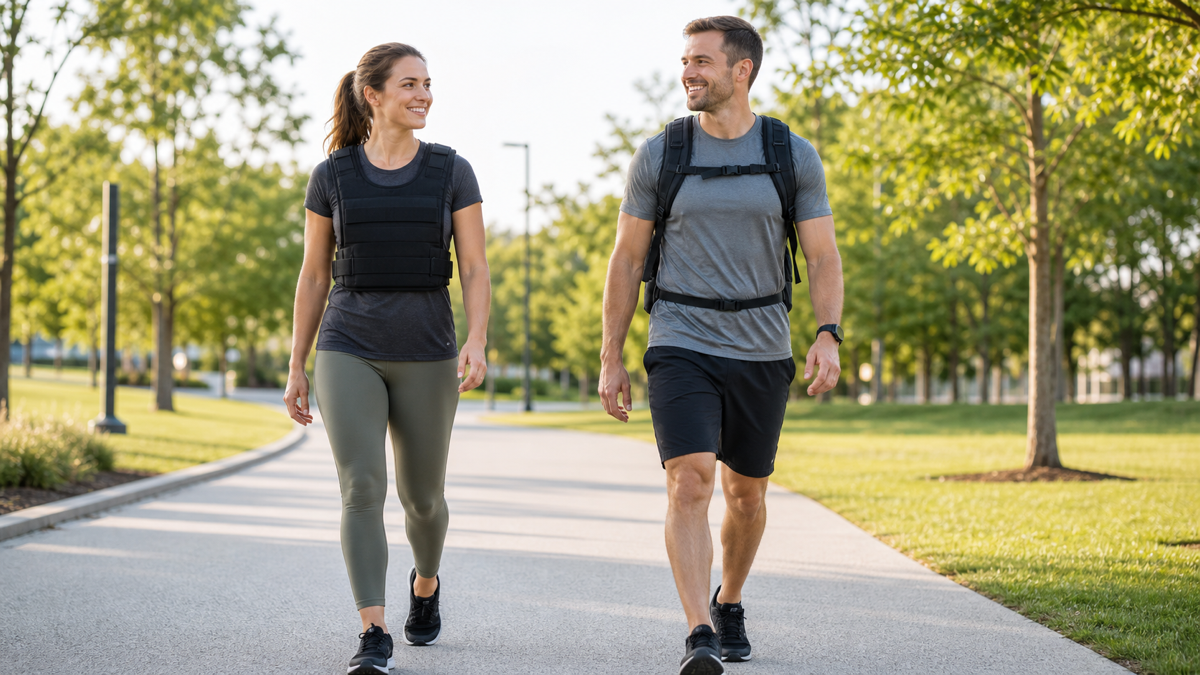
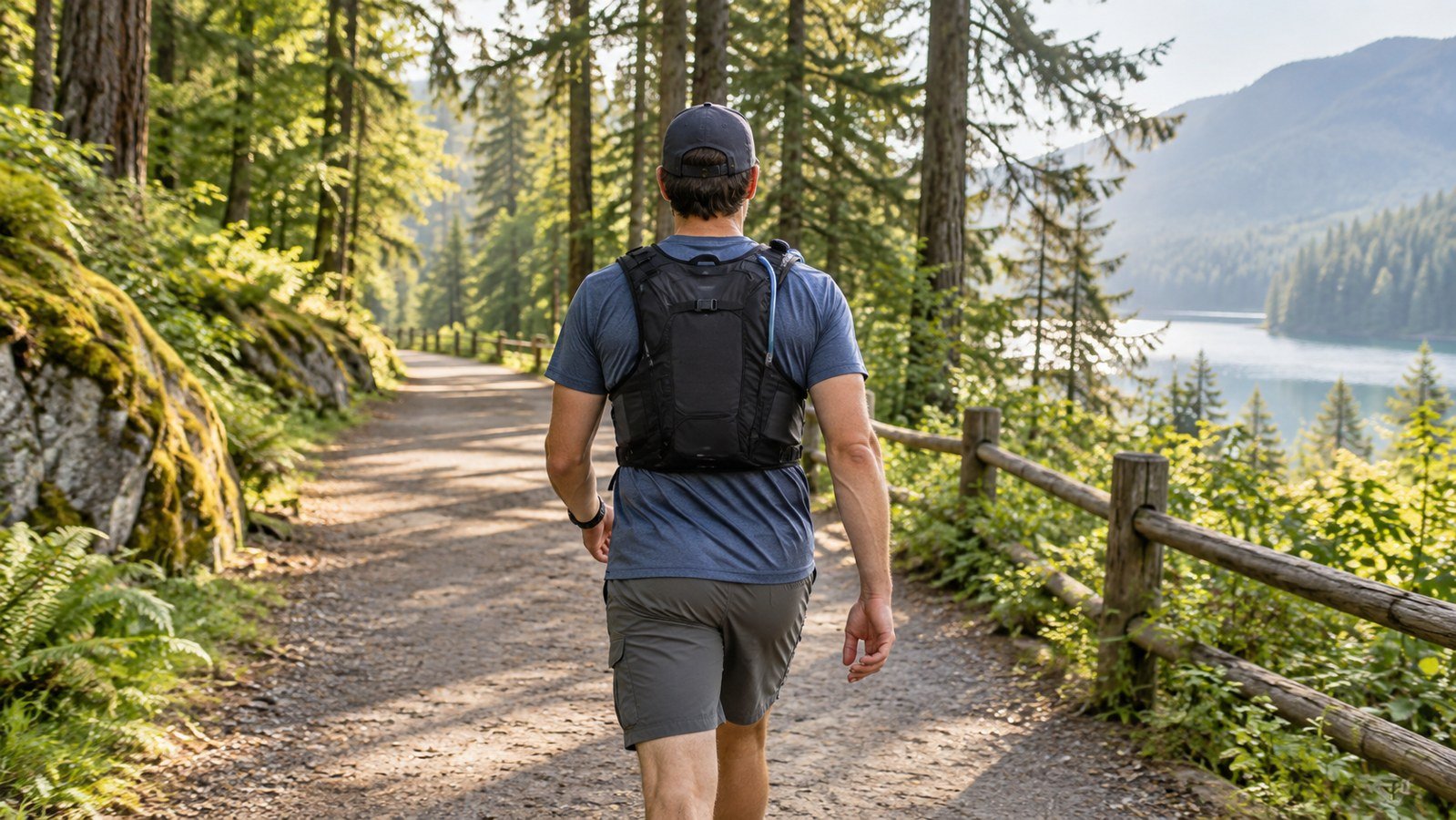
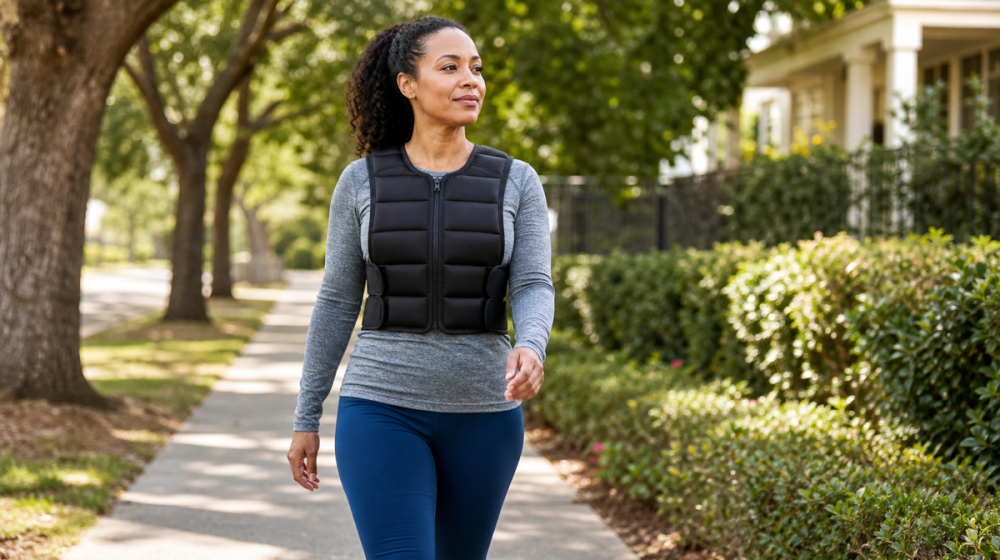
Weighted vest benefits for walking are real, but they are often overstated. A vest can make a normal walk feel more challenging, raise energy cost, ask more from your legs and trunk, and help some people progress without jogging. What it does not do is magically replace strength training, guarantee fat loss, or make every walk safer. The best results come from a light vest, good fit, slow progression, and honest attention to how your body feels.
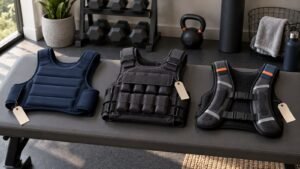
If you are still new to loaded walking, start with our weighted vest walking guide. If you already know you want to buy one, compare options in our best weighted vests guide.
Weighted vest benefits for walking: quick summary
The simplest benefit is that a weighted vest adds load without asking you to walk faster. That matters for people who like walking, have limited time, or want a lower-impact way to make a familiar route more demanding.
| Potential benefit | Why it happens | What to watch |
|---|---|---|
| Higher walking intensity | Your body moves extra load with each step | Breathing should rise, not become strained |
| More lower-body demand | Legs and hips handle slightly more work | Knees, shins, and feet should not ache sharply |
| More trunk engagement | Your torso stabilizes the vest as you walk | Do not let the vest pull you forward or back |
| Easy progression | You can add minutes, hills, or small weight changes | Change only one variable at a time |
| Low equipment barrier | You can use it outside, at home, or on a treadmill | Fit and heat management matter more than hype |
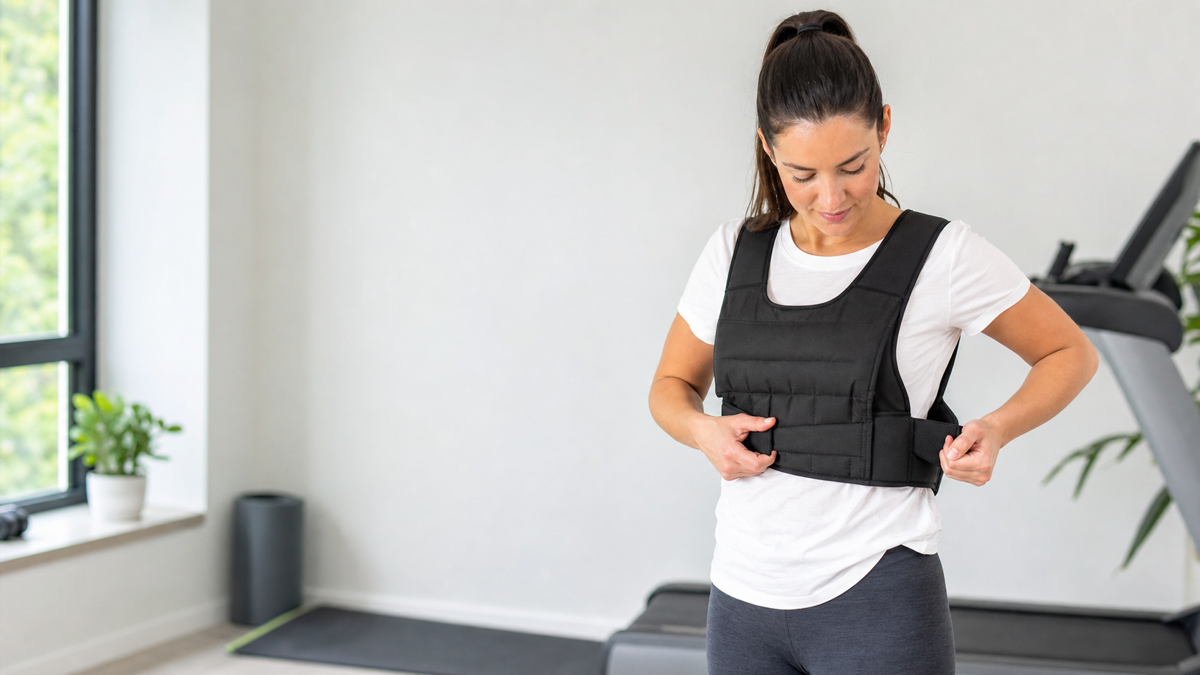
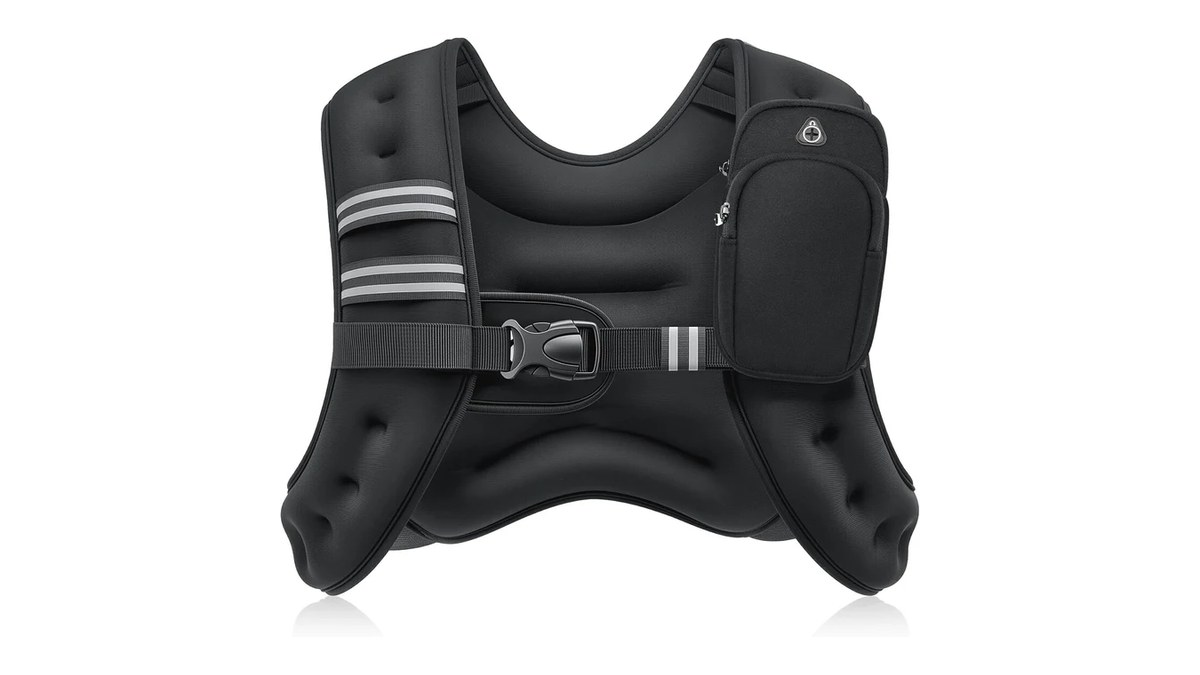
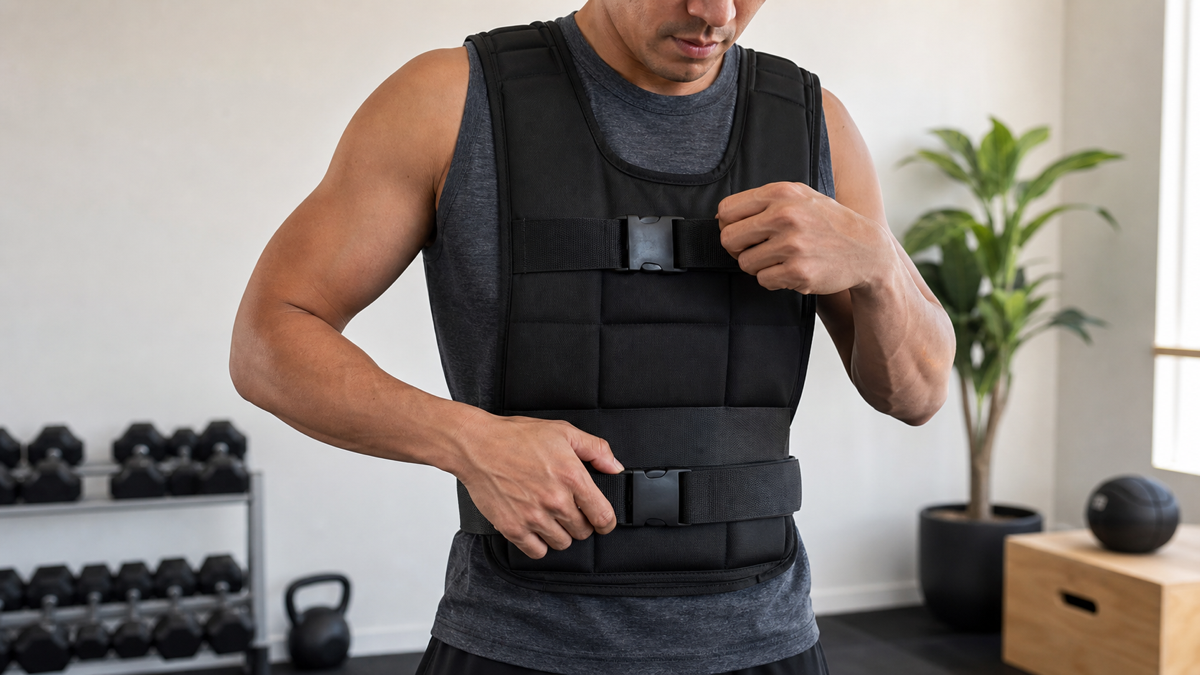
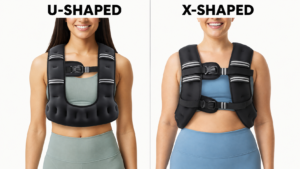
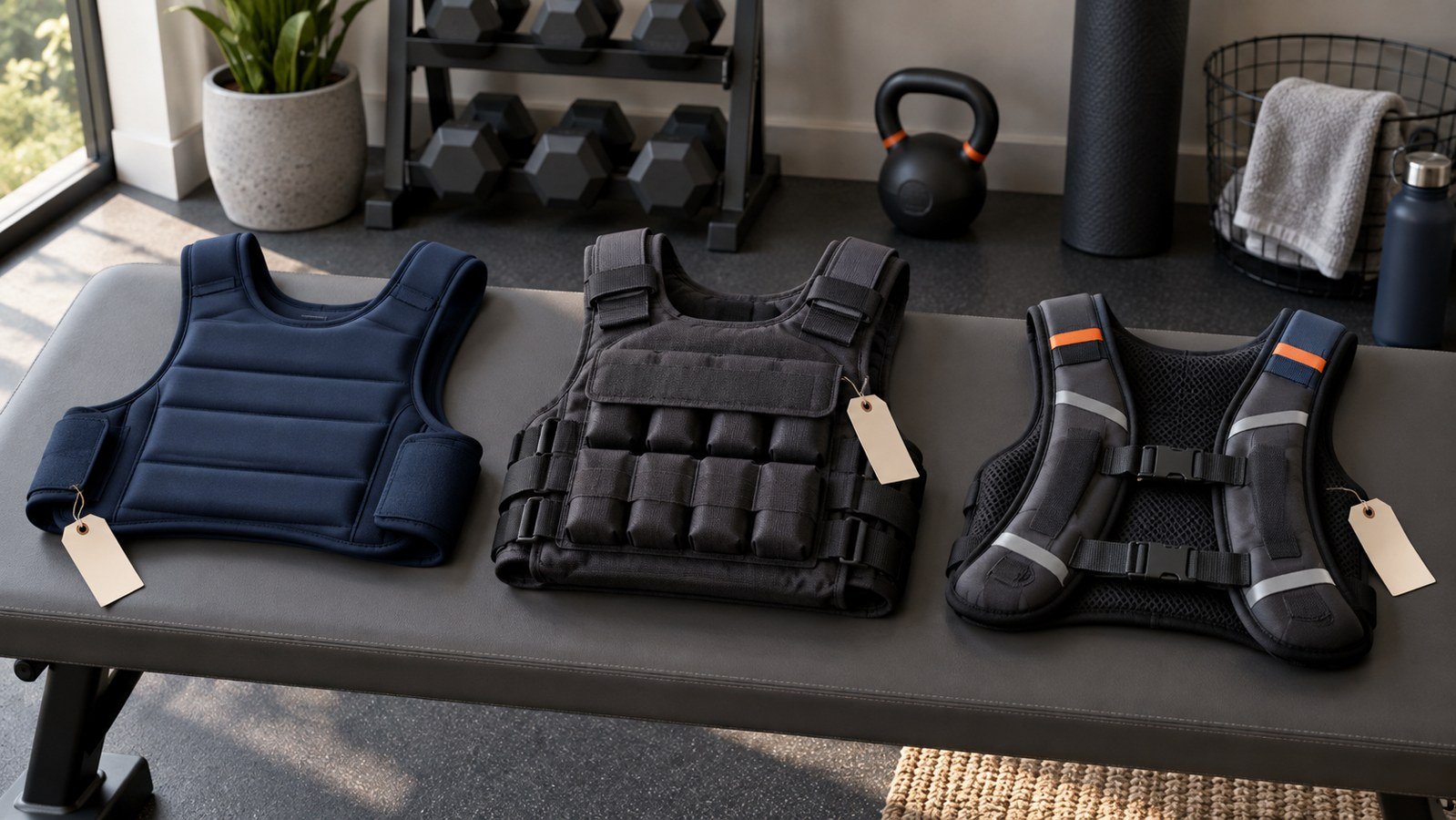
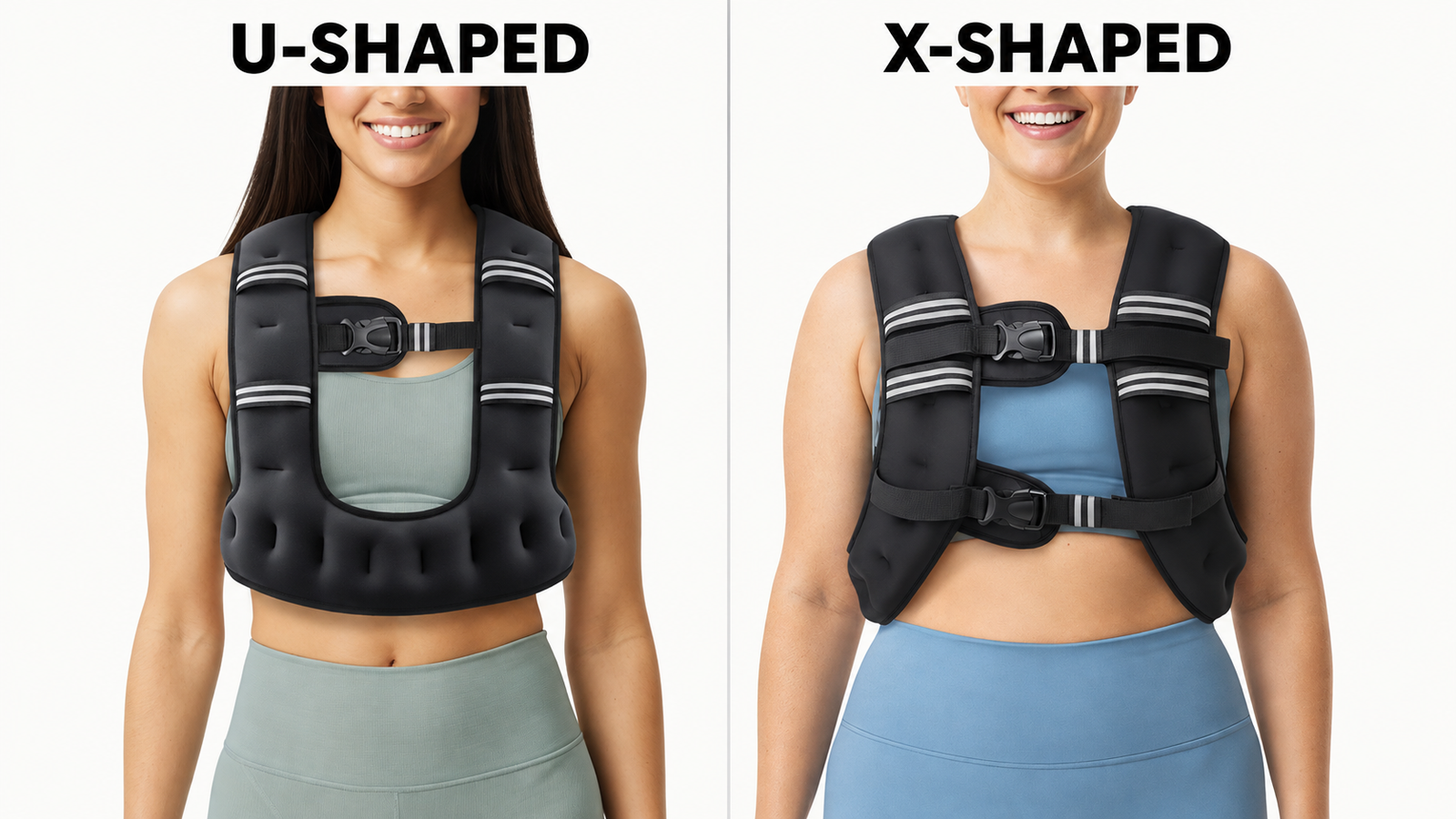
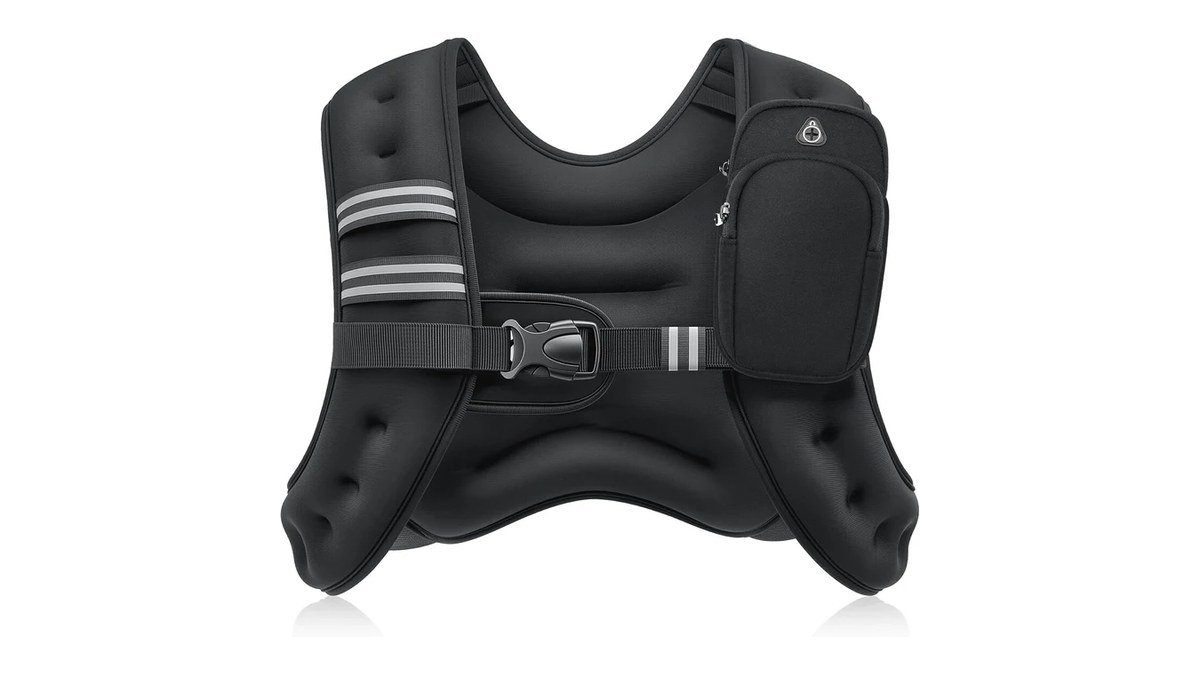
Those benefits depend on setup. A vest that bounces, restricts breathing, or rubs your neck can turn a useful walk into a gear fight. Use our weighted vest fit guide if comfort is the first problem.
Benefit 1: it raises effort without requiring speed
Walking faster is not the only way to make walking harder. You can also use incline, distance, terrain, or load. A weighted vest increases the work of moving your body because you are now carrying more total mass. Research on weighted vest walking has found that vest load can increase metabolic cost and exercise intensity, especially as load and speed rise.
That does not mean you need a heavy vest. In fact, most beginners should not start heavy. A light vest can be enough to make a normal walk feel more purposeful while still letting you keep a natural stride. For many healthy beginners, the best first step is around 5% of body weight or less. If you are unsure, use our weighted vest weight guide before chasing bigger numbers.
Benefit 2: it can make short walks feel more productive
One reason weighted vest walking is popular is convenience. You do not need a rack, plates, gym commute, or complicated program. You can add the vest to a neighborhood walk, short treadmill session, or low-impact conditioning day.
This is especially useful when time is tight. A 15- to 25-minute vest walk will not replace a full training plan, but it can turn an easy walk into a moderate challenge. That can help people who already walk consistently and want a simple progression. It is less useful for someone who is not yet walking regularly; in that case, build the habit first, then add load.
Benefit 3: it may support lower-body and core endurance
A vest does not turn walking into heavy strength training. Still, carrying load can ask more from your calves, quads, glutes, hips, and trunk. Your core has to resist the vest shifting as your arms swing and feet land. Your legs have to handle slightly more work with each step.
Think of it as endurance-biased resistance, not maximal strength work. If your goal is muscle size or heavy strength, keep lifting. If your goal is to make walking more challenging while staying low-impact, a vest can be a useful bridge. Pair it with our beginner weighted vest exercises on separate days or after very easy walks.
Benefit 4: it can help progression without jogging
Jogging is not the right next step for everyone. Some people dislike running, some have joint or balance concerns, and some simply want a quieter way to increase effort. A weighted vest lets you keep the movement pattern closer to walking.
That does not make it risk-free. Load still increases demand on joints, feet, connective tissue, breathing, and posture. The advantage is controllability: you can start with a short route, a light vest, flat ground, and a pace where you can speak in short sentences. Then you can progress one lever at a time.
Benefit 5: it can make hills and treadmills more interesting
A vest combines well with small hills or low treadmill incline. You do not need much. Even a gentle incline can make the session feel noticeably harder with a vest. This is where many beginners get a little too ambitious, because the first five minutes can feel easy and the last five can feel like your calves filed a complaint with management.
If you use a treadmill, keep the first workout simple. Start flat, keep hands off the rails unless you need a quick balance reset, and avoid stacking load, incline, and speed in the same session. Our weighted vest treadmill workout gives a beginner plan.
What weighted vest walking does not do
The biggest mistake is treating a weighted vest like a magic upgrade. It is a tool, not a shortcut.
- It does not guarantee weight loss. A vest can raise energy expenditure, but fat loss still depends on overall energy balance, consistency, sleep, nutrition, and recovery.
- It does not replace strength training. Walking with a vest is useful, but adults still benefit from regular muscle-strengthening activity.
- It does not automatically improve bone health. Loaded walking may increase skeletal loading, but bone-health claims should stay conservative, especially for people with osteoporosis or fracture risk.
- It does not fix poor posture. A vest can encourage better awareness, but a bad fit or heavy load can also make posture worse.
- It does not need to be daily. Beginners often do better with two or three vest walks per week plus unloaded walking on other days.
Who should be careful with weighted vest walking?
Be cautious if you have knee, hip, ankle, foot, back, neck, or shoulder pain. Also be cautious if you have balance issues, dizziness, neuropathy, heart symptoms, uncontrolled blood pressure, osteoporosis, pregnancy-related restrictions, or a recent injury or surgery. Loaded walking can be useful for many people, but it is still loaded exercise.
Heat is another issue. A vest adds insulation, and sweat plus strap pressure can lead to chafing. On hot days, use a lighter load, shorter route, breathable shirt, and more water breaks. If you feel dizzy, unusually weak, confused, or chilled despite heat, stop the session and cool down safely.
How to start safely
Use the easiest version first. Start light, choose flat ground, and walk for 10 to 20 minutes. If that feels good during the walk and the next day, repeat it before progressing. The boring repeat is where the useful adaptation hides.
- Start with fit: the vest should stay close to your torso without restricting breathing.
- Start light: many beginners should start around 5% of body weight or less.
- Keep pace conversational: you should be able to speak in short sentences.
- Progress duration first: add minutes before adding weight.
- Add incline later: use hills or treadmill incline only after flat walking feels easy.
- Stop for warning signs: sharp pain, numbness, dizziness, chest pain, or unusual shortness of breath are not “push through” signals.
Sample beginner week
| Day | Session | Goal |
|---|---|---|
| Monday | 10–20 minute weighted vest walk | Light, flat, comfortable fit |
| Tuesday | Unloaded walk or mobility | Check recovery |
| Wednesday | Beginner strength or bodyweight work | Keep load moderate |
| Thursday | 10–20 minute weighted vest walk | Repeat the same setup |
| Friday | Rest or easy unloaded walk | Let joints and feet recover |
| Weekend | Optional longer unloaded walk | Build walking volume without extra load |
After two or three easy weeks, add one small progression: a few more minutes, a slightly hillier route, or a small load increase. Do not add all three at once unless you enjoy making your future self suspicious of your current self.
FAQ
Is walking with a weighted vest good for you?
It can be good for many healthy adults when the vest is light, fits well, and is progressed slowly. It can raise walking intensity and make a familiar route more challenging. It is not a good fit for everyone, especially people with pain, balance issues, or medical concerns.
Does walking with a weighted vest burn more calories?
Usually yes, because carrying extra load increases the work required to walk. The actual difference depends on vest weight, walking speed, incline, body size, and duration. Treat it as a modest intensity tool, not a weight-loss guarantee.
How heavy should a weighted vest be for walking?
Many beginners should start around 5% of body weight or less. Some people should start even lighter, especially if they are new to loaded exercise, have a smaller frame, or plan to walk longer distances.
Can I walk with a weighted vest every day?
Some experienced users may tolerate frequent vest walks, but most beginners should start with two or three sessions per week. Use unloaded walking on other days while your feet, joints, and back adapt.
Is a weighted vest better than a backpack for walking?
A vest usually distributes weight more evenly around the torso, while a backpack loads mostly behind you. For a full comparison, read our weighted vest vs rucking backpack guide.