
Affiliate disclosure: This article contains affiliate links. FitProGuides may earn a commission if you buy through our links, at no extra cost to you.
Weighted vest vs ankle weights is not a “which burns more calories?” question first. For most FitProGuides readers, the better question is: which tool adds useful resistance without making your walking form worse, irritating your joints, or collecting dust after two sessions?
The short answer: a weighted vest is usually the best all-around choice for walking and home workouts. A weighted belt can be a smart shoulder-free alternative. Ankle weights are more limited: useful for controlled leg exercises, but not my first pick for long walks.
This weighted vest vs ankle weights guide is written for beginners who want a practical, low-risk way to add resistance to walking or home training.
Quick product links
Affiliate note: These links go to Zelus product pages. FitProGuides may earn a commission if you buy through them.
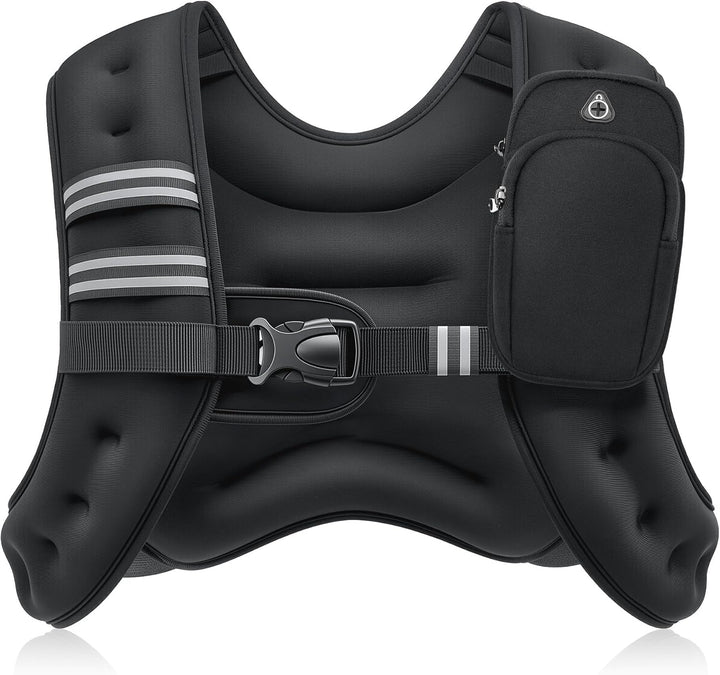
- Best all-around vest: Classic X-Shaped Weighted Vest
Check price at Zelus - Best walking progression: Classic U-Shaped Adjustable Vest
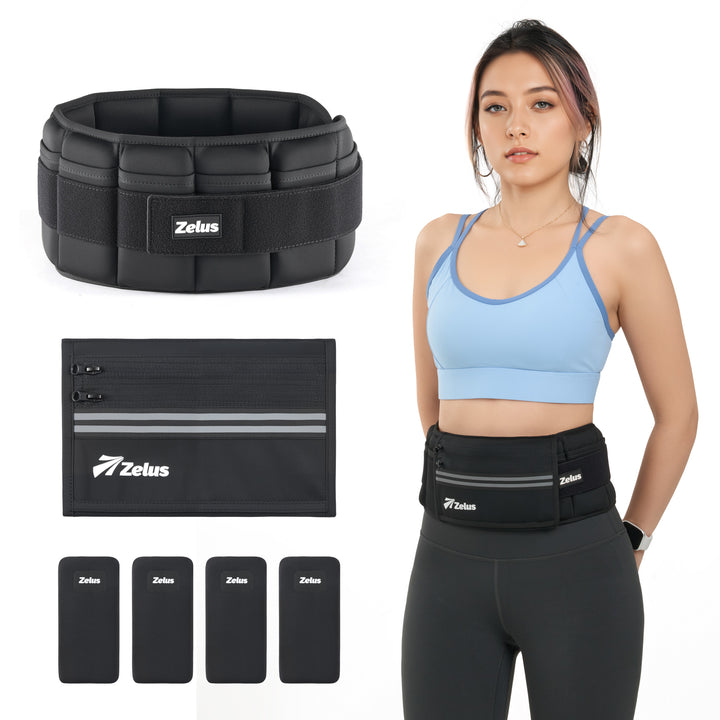
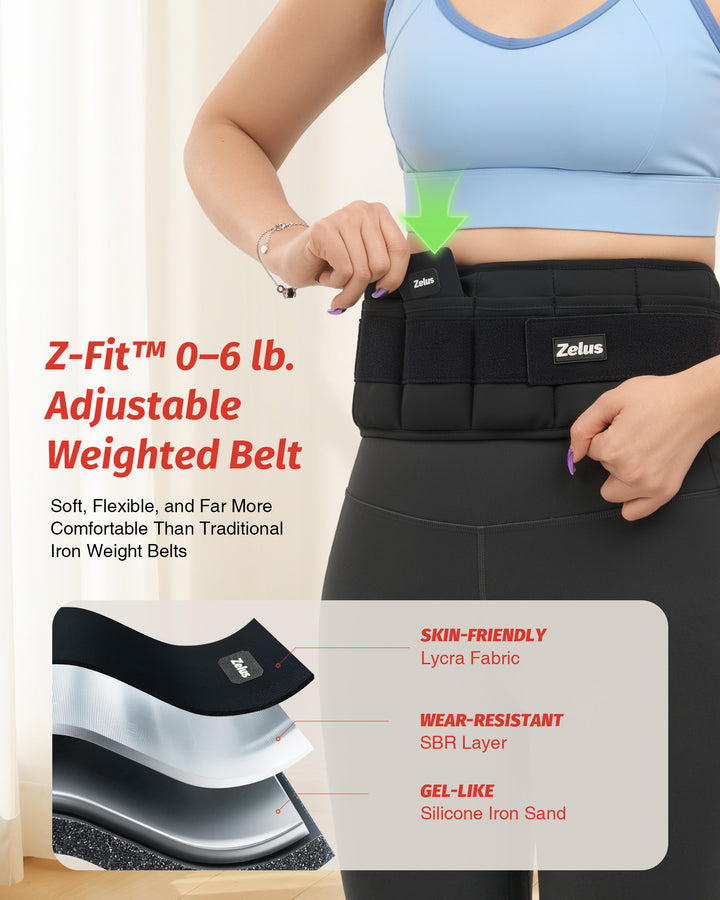
Check price at Zelus - Best shoulder-free alternative: Z-Fit™ Adjustable Weighted Belt
Check price at Zelus
Quick verdict: weighted vest vs ankle weights vs weighted belt
| Tool | Best for | Main downside | FitProGuides recommendation |
|---|---|---|---|
| Weighted vest | Walking, squats, step-ups, push-ups, lunges, carries, home circuits | Can feel hot or uncomfortable if too heavy or poorly fitted | Best first buy for most people |
| Weighted belt | Walking, light conditioning, users who dislike shoulder straps | Less versatile for push-ups and upper-body bodyweight training | Best alternative if shoulder comfort is your concern |
| Ankle weights | Controlled leg lifts, rehab-style movements, short accessory work | Can change stride mechanics during walking if used carelessly | Use carefully; not the best walking-first option |
Why load placement matters
Where the weight sits changes how the movement feels. A weighted vest keeps load close to your torso. That usually makes it easier to keep a normal walking rhythm and use the same accessory for bodyweight strength work.
Ankle weights place load far from your center of mass. That can make each step feel different, especially if you walk fast, walk long, or choose a weight that is too heavy. A weighted belt sits between those two options: it avoids shoulder straps, but still keeps the load closer to your body than ankle weights.
Weighted vest: best all-around choice
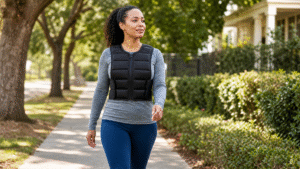
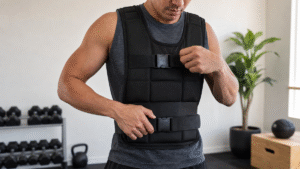
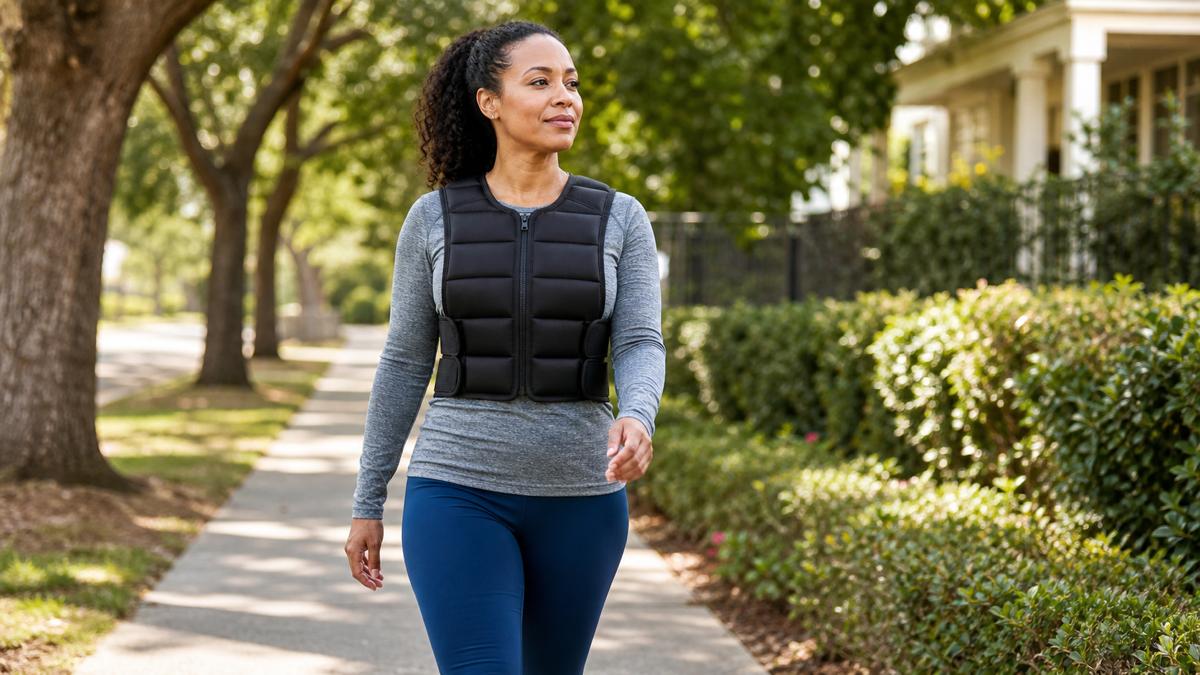
A weighted vest is the strongest pick if you want one accessory for both walking and home workouts. You can use it for walks, step-ups, bodyweight squats, split squats, incline push-ups, carries, and simple garage-gym circuits.
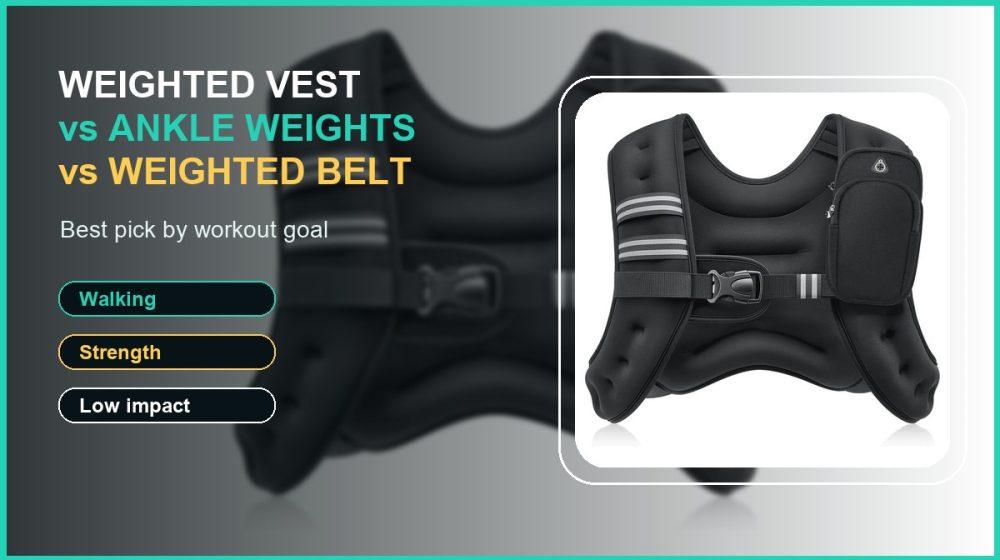
The Classic X-Shaped Weighted Vest is the cleanest general pick. Zelus lists fixed-weight options from 6 to 30 lb, adjustable buckles, reflective strips, and a stable X-shaped structure for daily activities.
If your goal is mainly walking, the Classic U-Shaped Adjustable Vest is better for gradual progression because you can start lighter and build up.
For a broader buying guide, read our full comparison of the best weighted vests for home workouts.
Weighted belt: best shoulder-free alternative
A weighted belt is worth considering if you like the idea of weighted walking but dislike pressure across your shoulders or chest. It is not as versatile as a vest for push-ups or upper-body bodyweight work, but it can be practical for walking, light conditioning, and lower-body sessions.
The Z-Fit™ Adjustable Weighted Belt is the product to use in this article because it fits the exact “vest alternative” intent. It gives readers a monetizable option without forcing everyone toward a shoulder-loaded vest.
Choose a belt if your main concern is shoulder comfort, not maximum exercise variety.
Ankle weights: useful, but not my first walking pick
Ankle weights are not useless. They can work well for controlled movements like leg raises, side-lying hip work, slow standing leg lifts, or rehab-style accessory exercises. The issue is walking. During long walks, ankle weights can change how your legs swing and how your joints absorb each step.
If you use ankle weights, keep them light, use them for short controlled sessions, and stop if your knees, hips, ankles, or low back feel irritated. Do not treat ankle weights as a shortcut for faster fat loss.
Which one should beginners buy first?
For most beginners, buy in this order:
- Weighted vest if you want the most versatile tool for walking plus home workouts.
- Weighted belt if shoulder pressure is your biggest problem.
- Ankle weights only if you already know you want controlled leg accessory exercises.
If you are specifically starting with walking, also read our weighted vest for walking beginner guide before adding load.
Simple buyer decision guide
Choose a weighted vest if…
- You want one tool for walking and strength work.
- You do squats, lunges, push-ups, step-ups, or carries at home.
- You want the best long-term training value.
- You are comfortable with shoulder straps.
Choose a weighted belt if…
- You mainly walk and want extra load without shoulder pressure.
- You dislike chest restriction from a vest.
- You want a lighter-feeling alternative for low-impact training.
Choose ankle weights if…
- You want controlled leg accessory work, not long weighted walks.
- You can keep the load light.
- You are willing to stop if your stride changes or joints feel off.
Beginner safety rules
The U.S. Physical Activity Guidelines emphasize evidence-based physical activity for improving and maintaining health. Weighted tools should support that habit, not turn basic walking into a pain test.
- Start lighter than you think you need.
- Increase walking time before increasing load.
- Keep your posture tall and your stride natural.
- Stop if you feel sharp pain, dizziness, numbness, or joint discomfort.
- Ask a qualified healthcare professional first if you have unresolved joint, back, balance, or cardiovascular concerns.
For general weekly activity context, see the Physical Activity Guidelines for Americans.
FAQ: weighted vest vs ankle weights
Are ankle weights better than a weighted vest for walking?
Usually no. A vest keeps the load closer to your torso, while ankle weights place load at the end of your legs. For most beginners, a vest is the safer and more versatile first choice for walking.
Is a weighted belt better than a weighted vest?
A weighted belt can be better if you dislike shoulder or chest pressure. A weighted vest is better if you want one tool for walking plus push-ups, squats, lunges, and home workout circuits.
Can I use ankle weights for home workouts?
Yes, but use them for controlled movements rather than fast walking or running. Think slow leg lifts, controlled hip work, and short accessory sets.
What is the best weighted vest alternative?
For FitProGuides readers, the best weighted vest alternative is a weighted belt if your goal is walking and light conditioning. It keeps load closer to your body than ankle weights and avoids shoulder straps.
Final recommendation
If you are choosing between a weighted vest vs ankle weights, start with a weighted vest unless you have a very specific reason not to. It is more versatile, easier to use across home workouts, and better aligned with the way most beginners actually train.
If vest straps bother you, use the Z-Fit™ Adjustable Weighted Belt as the shoulder-free alternative. If you want the best all-around starter tool, choose the Classic X-Shaped Weighted Vest.