
Affiliate disclosure: This article contains affiliate links. FitProGuides may earn a commission if you buy through our links.
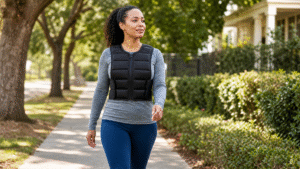
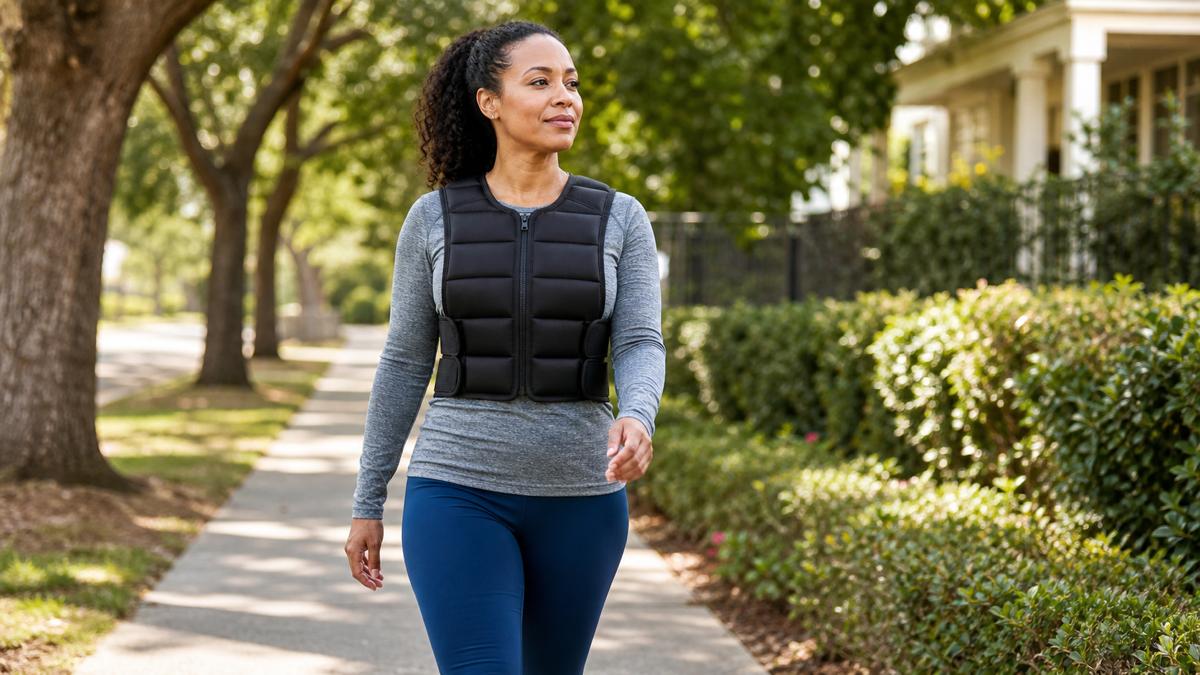
Weighted vest for walking is best treated as low-impact progressive overload: start light, walk with normal posture, and increase time before you increase weight. For most beginners, comfort and fit matter more than chasing the heaviest vest.
Quick links: best Zelus weighted vests for walking
Affiliate note: These links go to Zelus product pages. FitProGuides may earn a commission if you buy through them, at no extra cost to you.
- Simplest walking pick: Classic U-Shaped Fixed Weight Vest
Check price at Zelus - Best progression pick: Classic U-Shaped Adjustable Weight Vest
Check price at Zelus - Best comfort upgrade: Z-Fit™ Flex Weighted Vest
Check price at Zelus
The short answer
Weighted vest walking can be a simple way to make your daily walk more challenging, but beginners should start light. The right vest should stay stable, distribute weight evenly, and avoid shoulder or chest pressure. You should be able to walk with good posture, steady breathing, and no joint pain.
Why walking is the best place to start
A lot of people buy a weighted vest and immediately try push-ups, burpees, or hill sprints. That is usually backwards. Walking lets you test fit, weight, straps, and comfort at low impact. If the vest bounces during a walk, it will feel worse during squats or jumps.
Best Zelus picks for walking
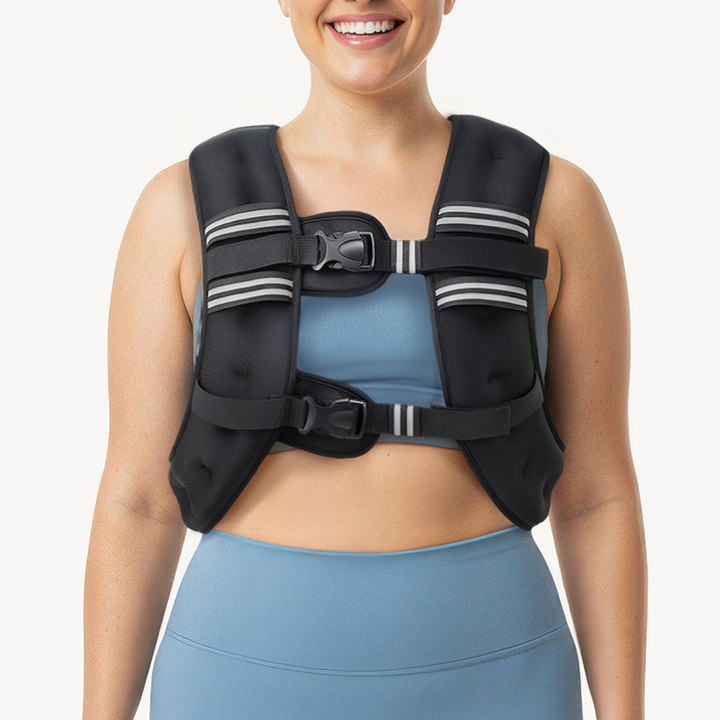
Best for women and chest comfort: Classic U-Shaped Fixed Weight
View this walking pick on Zelus
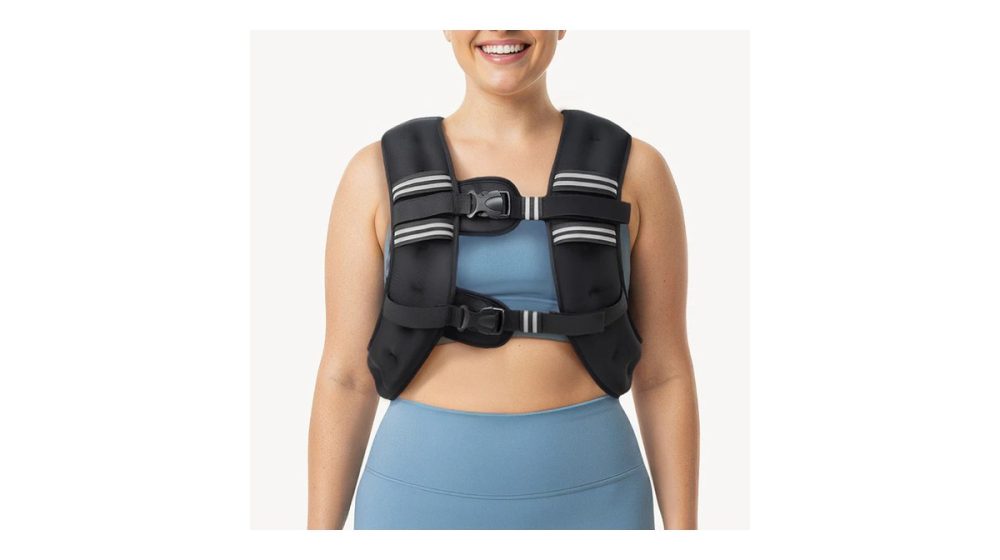
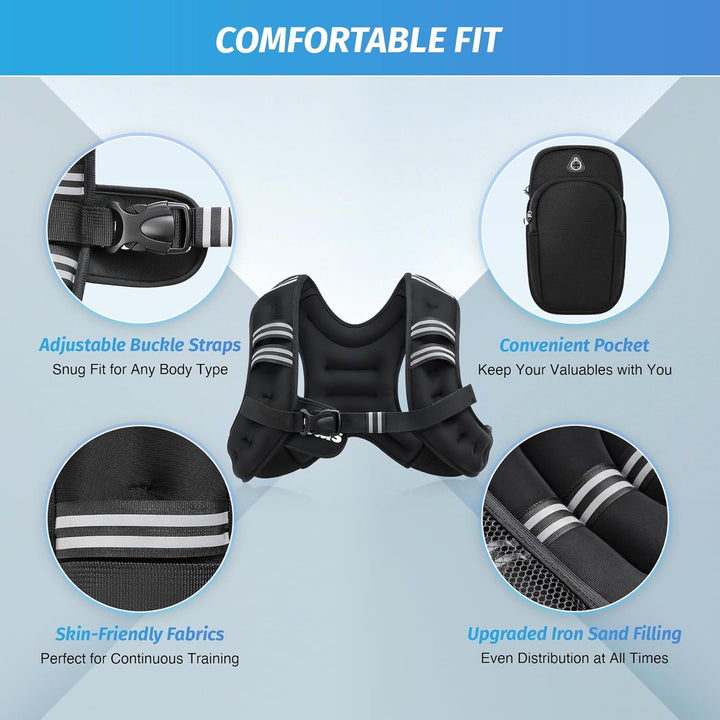
The Classic U-Shaped Fixed Weight Vest is the most natural walking pick because its U-shaped neckline is built to reduce chest pressure. It also includes reflective strips, which is useful for early morning or evening walks.
Best for: beginners, women, lower-impact walks, treadmill walking.
Best adjustable walking vest: Classic U-Shaped Adjustable Weight
View this walking pick on Zelus
The Classic U-Shaped Adjustable Weight Vest gives you more room to progress. Zelus lists three adjustable ranges: 4-10 lb, 11-20 lb, and 20-32 lb. That makes it useful if you want to start light and slowly build up.
Best for: beginners who want one vest for several phases of training.
Best premium walking feel: Z-Fit™ Flex Weighted Vest
View this walking pick on Zelus
The Z-Fit™ Flex Weighted Vest is available in 10 lb and 15 lb options with medium and large sizing. It is a better fit for buyers who want a sleeker feel and are willing to spend more for comfort.
Best for: consistent walkers who want comfort and a cleaner fit.
How heavy should beginners start?
Start with a weight that lets you keep normal walking mechanics. Your shoulders should stay relaxed, your ribs should not feel compressed, and your steps should not become heavy or awkward. If you are unsure, choose the lighter option first.
Weighted vest for walking safety checklist
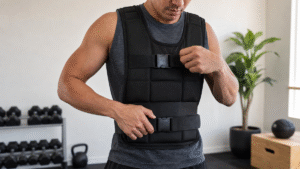
Before your first weighted vest for walking session, do a quick five-minute test indoors or on a flat sidewalk. The vest should feel snug without limiting your breathing. If the shoulder straps dig in, the weight shifts side to side, or your stride changes, adjust the vest or choose a lighter option.
- Keep your first few walks flat and conversational.
- Stop if you feel knee, hip, low-back, or sharp shoulder discomfort.
- Use reflective details if you walk early or late.
- Increase weekly walking time before adding more load.
- Compare your weekly activity target with the Physical Activity Guidelines for Americans.
If you are still comparing styles, see our broader guide to best weighted vests for home workouts before choosing a walking-first model.
A good weighted vest for walking setup should feel boring at first: stable, light, and repeatable. If the vest makes you hunch forward or shortens your stride, the load is too aggressive for beginner walking.
Beginner walking plan
Week 1:
- 2-3 walks
- 10-20 minutes each
- Flat route
- Light vest only
Week 2:
- 3 walks
- 20-30 minutes each
- Add gentle hills only if you feel good
Week 3:
- 3-4 walks
- 25-40 minutes
- Keep the same weight; increase time before weight
Mistakes to avoid
- Starting too heavy.
- Running before you have walked comfortably for several weeks.
- Ignoring shoulder pressure.
- Wearing a vest that bounces.
- Treating a weighted vest as a medical or weight-loss shortcut.
Weighted vest for walking FAQ
Is a weighted vest good for walking beginners?
Yes, if you start light and keep the walk low impact. A vest can make a normal walk more challenging without needing a treadmill incline, but it should not change your stride or make breathing feel restricted.
Should I walk faster or add more weight first?
Add time first, then pace, then weight. Beginners usually do better with a comfortable vest they can wear consistently than with a heavy vest that makes every walk feel like a test.
How often should I use a weighted vest for walking?
Use a weighted vest for walking two or three times per week at first. Keep at least one normal walk between weighted sessions so your feet, knees, hips, and back can adapt gradually.
Final recommendation
For pure walking, start with the Classic U-Shaped Fixed Weight if you want simplicity, or the Classic U-Shaped Adjustable Weight if you want room to progress. If comfort and a cleaner profile matter most, the Z-Fit Flex is the nicer upgrade.